Familiar voices calm people with dementia because the brain processes voice recognition through pathways that often remain intact even as memory and language areas deteriorate. When someone hears a loved one’s voice—a daughter, spouse, or caregiver they’ve known for decades—the limbic system (which controls emotion and memory) activates more strongly than when hearing unfamiliar voices. This triggers a calming response that can lower anxiety, reduce agitation, and sometimes even temporarily improve orientation, even when the person with dementia cannot consciously remember who is speaking.
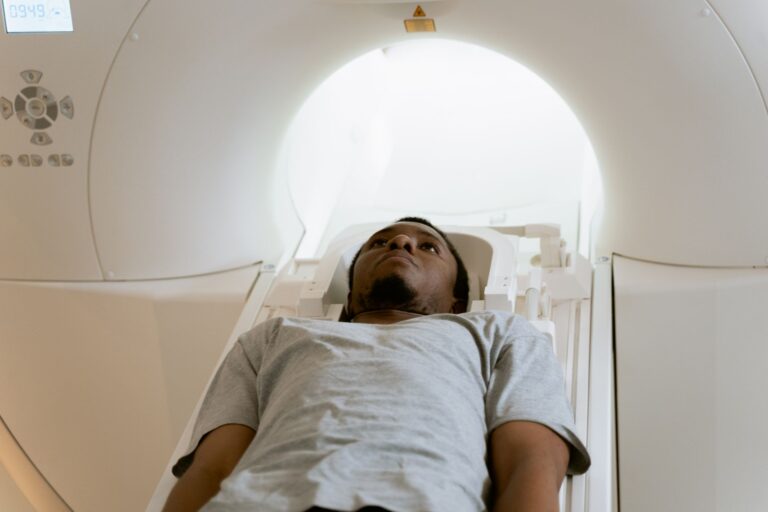
The effect is neurologically real, not just emotional comfort. Research using brain imaging shows that people with moderate to advanced dementia still recognize familiar voices and respond to vocal patterns they’ve internalized over a lifetime, even when they’ve lost the ability to identify faces or remember names. A person may not recognize their own son in the room, but when he speaks, the familiar cadence and tone activate neural pathways associated with trust and safety. This mechanism explains why voice-based interventions—playing recordings of family members, using familiar voices in music therapy, or simply maintaining regular phone calls—can become one of the most effective non-pharmaceutical tools for managing behavioral and psychological symptoms in dementia care.
Table of Contents
- How Do Familiar Voices Differ From Unfamiliar Ones in Dementia?
- Why Does Voice Recognition Survive Memory Loss?
- What Are the Emotional and Behavioral Benefits?
- How Should Families Use Familiar Voices Effectively?
- What Are the Limitations of Voice Recognition in Dementia?
- Which Voice Characteristics Matter Most?
- How Do Familiar Voices Fit Into Broader Dementia Care?
How Do Familiar Voices Differ From Unfamiliar Ones in Dementia?
The brain does not process all voices equally, especially in dementia. Familiar voices activate a broader network of brain regions than unfamiliar voices because they carry decades of associative meaning—they’re linked to safety, identity, and memory. In a person with early-stage Alzheimer’s disease, the auditory cortex (which processes sound) and the superior temporal sulcus (which interprets vocal emotion and identity) remain relatively functional longer than the hippocampus (which is needed for new memory formation).
This means someone with dementia might lose the ability to form new memories about a person they meet today, yet still recognize their childhood friend’s laugh instantly. A study from UC Irvine found that dementia patients showed elevated skin conductance (a sign of emotional recognition) when hearing their spouse’s voice, even during conversations they would not consciously remember afterward. The contrast is stark: an unfamiliar voice can trigger anxiety or confusion in a person with dementia because the brain cannot quickly categorize it as safe. A familiar voice does the opposite—it provides an anchor that bypasses the failing memory systems and goes straight to emotional validation.
Why Does Voice Recognition Survive Memory Loss?
Voice recognition involves a different neural pathway than episodic memory (remembering what happened) or semantic memory (remembering facts). It relies partly on implicit memory—the unconscious, automatic recognition system that learns patterns through repetition over many years. Implicit memory often persists in dementia even when conscious memory is severely damaged, which is why someone might not remember eating lunch but will still know how to use a fork. The vocal signature of a lifelong familiar person is so deeply encoded—through thousands of conversations, tone inflections, and emotional associations—that it becomes nearly as automatic as recognizing your own heartbeat. A wife’s voice, heard daily for 50 years, is stored in multiple overlapping memory systems.
Even if some pathways degrade, others remain. This is different from recognizing a newer friend’s voice, which relies more heavily on conscious memory consolidation that dementia disrupts. However, there is a limit. As dementia progresses to very late stages, even familiar voices may not produce the same calming response. The brain’s ability to process any auditory stimulus eventually declines, and the emotional response may flatten. Additionally, if someone developed significant hearing loss before the dementia began, the familiar voice may not be perceived clearly enough to trigger recognition, negating the benefit.
What Are the Emotional and Behavioral Benefits?
When someone with dementia hears a familiar voice, measurable changes occur within seconds. Heart rate can slow, muscle tension can release, and agitation can subside—all without the person consciously remembering who is speaking. A caregiver reports that their mother with advanced Alzheimer’s, who had been pacing and repeating the same anxious question for an hour, fell silent and sat down when her husband called on the phone. She didn’t recognize his voice consciously, but her body relaxed. These benefits extend beyond anxiety reduction.
Familiar voices can temporarily improve engagement during care activities—a person may cooperate better with bathing or dressing if they hear a calming, familiar voice narrating what’s happening. It can also reduce verbal aggression. Studies in dementia care units have found that playing recordings of family members’ voices during evening shifts (when agitation often peaks) can reduce the need for sedating medications by 20-30% among residents without severe hearing impairment. One important limitation: the calming effect of a familiar voice depends partly on the emotional history between that person and the dementia patient. A voice associated with conflict or stress in the past will not produce the same soothing response as a voice linked to love and safety. A daughter estranged from her parent for years may find that her voice does not calm the parent’s agitation, even though it is technically familiar to the brain.
How Should Families Use Familiar Voices Effectively?
The most straightforward approach is to maintain regular phone or video calls, even if the person with dementia cannot remember the conversation afterward. The act of hearing the voice itself provides benefit, independent of whether new memories form. Families often stop calling because they think the person won’t remember, but the neurological benefit happens in real-time, not through memory consolidation. More structured interventions include voice message recording—creating short audio files of family members saying the person’s name, sharing a favorite memory, or simply saying “I love you.” These recordings can be played during stressful times (early morning, sunset hours, or before difficult care tasks).
Some care facilities use family voice recordings as part of a broader sensory engagement program. The message needs to be simple, warm, and under two minutes; longer recordings risk overwhelming the auditory system or diluting the emotional impact. A comparison with music therapy is instructive: while music can soothe people with dementia, familiar voices often work faster and more directly because they carry emotional weight that music alone does not. However, there is a trade-off—a familiar voice is person-specific and requires family involvement, whereas music can be played to anyone. Facilities and families need to decide whether the added effort of voice recording is feasible and worthwhile for their situation.
What Are the Limitations of Voice Recognition in Dementia?
Voice recognition works best in early to moderate dementia. In severe or late-stage dementia, when the person is largely unresponsive or has minimal auditory processing, familiar voices may produce no observable response. Some people with dementia also develop auditory hallucinations or misidentify voices—hearing their deceased mother’s voice or believing a call is from someone other than who is actually speaking. Playing a familiar voice recording in these situations can sometimes reinforce the misidentification or trigger false memories. Another limitation is individual variation. Not all people with dementia respond equally to familiar voices.
Some remain agitated regardless of who is speaking. Others may respond to familiar voices some days and not others, depending on their overall health, pain levels, or medication side effects. There is no universal protocol that works for everyone, which means families often need to experiment and monitor carefully to see if the intervention truly helps. A warning: over-relying on voice recordings can inadvertently reduce direct, in-person interaction between family members and the person with dementia. While a recording provides some benefit, the multi-sensory experience of an actual phone call or visit—with visual cues, opportunities for back-and-forth, and real human presence—offers more comprehensive benefit. Families should use recordings as a supplementary tool, not a replacement for direct contact.
Which Voice Characteristics Matter Most?
Pitch, pace, and warmth all influence how effectively a voice calms dementia. Lower pitches (typical of older adults) often work better than very high pitches for agitation reduction, possibly because lower tones are associated with authority and calm. However, this is not absolute—some people respond better to softer, higher voices they associate with specific loved ones. Slow, measured speech works better than rapid speech. When recording a message or speaking to someone with dementia, intentionally slowing the pace by 10-15% compared to normal conversation helps the brain process the voice more easily.
Warmth—conveyed through vocal tone and inflection—matters enormously. A voice that sounds tense, sad, or irritated will trigger the opposite of the desired calming response. One practical detail: background noise can interfere significantly. A familiar voice on a crackling phone line or in a noisy environment may not trigger the same neural response as a clear, direct voice. Good audio quality in recordings and clear phone connections are not luxuries—they directly affect whether the intervention works.
How Do Familiar Voices Fit Into Broader Dementia Care?
Voice interventions work best as part of a comprehensive approach that includes consistent routines, a calm environment, and management of pain or medical discomfort. A person with untreated urinary tract infection or severe pain will not be calmed by familiar voices alone. Medications, environmental factors, and physical health all interact with how receptive someone is to voice-based comfort.
Some dementia care units have begun training staff to use a “voice protocol”—deliberately keeping their tone warm and familiar even to people they see daily, creating consistency and predictability. Over time, even though the person may not consciously remember the staff member, their voice becomes a marker of safety and routine. This suggests that familiar voices work not only through recognition of specific people, but also through the creation of patterns the brain learns to associate with safety, regardless of conscious memory.