Yes—infection-related inflammation can measurably accelerate cognitive decline. The evidence is now substantial: acute infections associate with a 2-fold increase in cognitive decline rate over just six months, and emerging neuroimaging data shows that inflammatory proteins can trigger structural changes in the brain before a person notices memory loss. This isn’t a theoretical concern relegated to severe COVID cases or immunocompromised patients. A 2025 meta-analysis examining 33 peer-reviewed studies found significantly elevated memory and concentration problems following SARS-CoV-2 infection, with 64% of long COVID patients reporting cognitive symptoms in the 2024 RECOVER study alone.
Consider a 58-year-old woman from Denver who had a moderate respiratory infection in 2023. Within three months, she struggled to recall conversations and couldn’t focus on reading for more than 20 minutes—changes her neurologist eventually linked to persistent inflammatory markers circulating through her bloodstream. Her experience isn’t unique. The mechanism underlying her cognitive changes involves systemic inflammatory proteins crossing into the brain, activating immune cells called microglia, and disrupting the blood-brain barrier that normally protects neural tissue. Understanding this connection matters because inflammation-driven cognitive decline may be partially reversible if caught early, unlike some neurodegenerative diseases that progress regardless of treatment.
Table of Contents
- What Inflammatory Biomarkers Predict Cognitive Impairment After Infection?
- How Does Infection-Related Inflammation Damage Brain Function?
- What Role Does Long COVID Play in Accelerated Cognitive Decline?
- How Can People Recognize Early Signs of Infection-Related Cognitive Decline?
- Why Do Some People Develop Long-Term Cognitive Effects While Others Don’t?
- Can Inflammation from Other Infections Besides COVID Trigger Cognitive Decline?
- What Does Recent Research (2025-2026) Tell Us About the Timeline and Reversibility?
What Inflammatory Biomarkers Predict Cognitive Impairment After Infection?
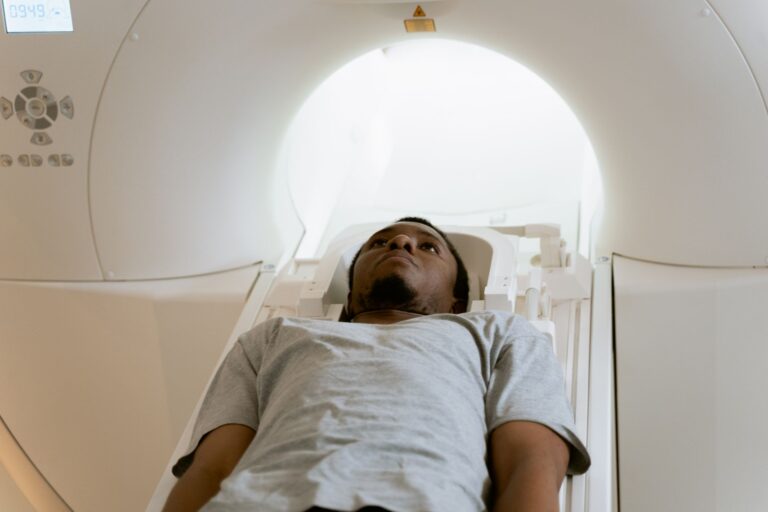
The most reliable predictor of post-infection cognitive decline is elevation of IL-6 (interleukin-6), a pro-inflammatory cytokine that rises during acute infection and can remain elevated for months. Research shows that people with persistently high IL-6 levels develop measurable memory deficits and slower processing speed—changes that appear on cognitive testing before any dementia diagnosis would typically be made. A 2026 study from the NIH linked circulating inflammatory proteins directly to structural brain changes visible on MRI scans: reduced gray matter volume in regions responsible for memory consolidation and executive function. Two other inflammatory markers correlate strongly with cognitive problems: CRP (C-Reactive Protein), which predicts dementia risk in population studies, and TNF-alpha, part of the pro-inflammatory cascade that becomes dysregulated in Alzheimer’s disease.
The warning here is important: elevated inflammatory markers don’t always produce noticeable cognitive symptoms immediately. Some people maintain normal everyday function while their inflammatory burden gradually reshapes brain tissue—the damage is silent until it reaches a critical threshold. Unlike acute infections where inflammation typically peaks and then resolves within weeks, long COVID infections can sustain elevated IL-6 and TNF-alpha for a year or longer. This chronic inflammatory state appears to be uniquely damaging to cognition compared to short-term infections, though even transient elevations seem to have measurable effects.
How Does Infection-Related Inflammation Damage Brain Function?
The mechanism involves multiple overlapping pathways, not a single culprit. When a systemic infection triggers immune activation, circulating cytokines and immune cells can breach the blood-brain barrier—a specialized membrane that normally prevents inflammatory molecules from entering neural tissue. Once inside, these inflammatory mediators activate microglia, the brain’s resident immune cells. Normally, microglia clean up debris and protect neurons. Under prolonged inflammatory stress, they become overactive, releasing additional cytokines that damage synaptic connections and impair the ability of neurons to communicate.
A 2024 Nature study revealed that abnormal blood clotting during and after infection plays a central role in these brain effects. Microclots can lodge in cerebral capillaries, reducing blood flow to specific brain regions and causing localized inflammation that’s difficult to detect without advanced imaging. Patients with COVID-related brain fog often show evidence of this microvascular dysfunction—reduced perfusion in areas controlling attention and working memory—even when standard brain imaging appears normal. The limitation to recognize: we don’t yet have a simple blood test or scan that predicts which infected patients will experience long-term cognitive decline. Two people with identical inflammatory profiles may have completely different outcomes. Factors like pre-existing neuroinflammation (from past infections, head injuries, or metabolic disease), age, genetic predisposition to neuroinflammatory responses, and the duration of infection all influence whether inflammation progresses to permanent cognitive damage.
What Role Does Long COVID Play in Accelerated Cognitive Decline?
Long COVID represents the most extensively documented example of infection-related cognitive problems. The University of Denver’s 2024 research found that long COVID patients showed cognitive deficits matching patterns seen in traumatic brain injury survivors—not because of direct brain trauma, but because of sustained inflammatory injury. Affected individuals reported difficulty multitasking, slower processing speed, and memory problems that persisted an average of 18 months post-infection. The cognitive symptoms in long COVID cluster into a recognizable pattern: difficulty concentrating (especially on complex mental tasks), word-finding problems, reduced working memory capacity, and impaired executive function. One 37-year-old from Boston described it as “thinking through fog”—mental tasks requiring sustained attention became exhausting.
Her inflammatory markers remained elevated 14 months after infection, and neuropsychological testing showed processing speed deficits consistent with someone 10-15 years older. She had no previous cognitive complaints and no other obvious cause for her symptoms. Long COVID’s cognitive burden appears disproportionately severe compared to acute COVID infection. This suggests that the severity and persistence of inflammation matter as much as the trigger itself. People recovering from uncomplicated acute COVID generally show cognitive improvement within 3-6 months as inflammation resolves, whereas long COVID patients often plateau or deteriorate further if they don’t receive targeted treatment addressing inflammation.
How Can People Recognize Early Signs of Infection-Related Cognitive Decline?
Early detection requires distinguishing infection-related cognitive changes from normal aging or other causes. The key difference is timing and speed: normal age-related cognitive decline occurs gradually over years, while infection-triggered decline happens within weeks to months of illness. People should pay attention to memory complaints that started after a documented infection, particularly if they coincide with fatigue, brain fog, or persistent low-grade symptoms. Practical warning signs include: forgetting recent conversations (while older memories remain intact), requiring written notes or phone reminders for tasks previously managed easily, slower processing during conversations, difficulty following complex instructions, and unexplained mental fatigue with minimal cognitive effort.
A 52-year-old accountant noticed she couldn’t perform her usual tax calculations with the same speed after a respiratory infection, requiring extra time to verify her work—a change completely inconsistent with her cognitive baseline. She consulted her doctor, obtained inflammatory marker testing, and began a regimen addressing chronic inflammation, which improved her cognitive function over three months. Comparison matters: if multiple people in a household recovered from the same infection, but only one experienced lasting cognitive problems, that individual difference points to either a higher inflammatory response or greater vulnerability to neuroinflammatory damage. Women appear to experience post-infection cognitive symptoms more frequently than men, and people over 60 show greater severity—likely because both aging and female immune physiology involve different inflammatory trajectories.
Why Do Some People Develop Long-Term Cognitive Effects While Others Don’t?
Genetic variation in inflammatory response genes influences who develops persistent cognitive problems. People carrying genetic variants associated with stronger IL-6 responses or impaired regulatory T-cell function tend to experience more severe and prolonged cognitive dysfunction after infection. This doesn’t mean infection will inevitably cause cognitive decline in these individuals—it means their genetic predisposition puts them at higher risk. Pre-existing conditions also modify infection risk.
Patients with metabolic syndrome, diabetes, or previous neuroinflammatory conditions (chronic headaches, prior head injury with concussion, autoimmune conditions) show greater cognitive decline following infection compared to metabolically healthy individuals. A person with well-controlled type 2 diabetes who contracted COVID developed more severe and longer-lasting cognitive symptoms than their non-diabetic family member infected at the same time—a pattern emerging in multiple studies of post-COVID complications. The critical limitation: personalized risk prediction remains imprecise. Clinicians cannot yet reliably predict, from biomarkers alone, which patients will develop long-term cognitive problems. This means anyone recovering from a significant infection should monitor cognitive function and seek evaluation if they notice unexplained cognitive changes, rather than assuming symptoms will resolve automatically.
Can Inflammation from Other Infections Besides COVID Trigger Cognitive Decline?
Absolutely. While long COVID provides the most extensive research data, influenza, bacterial respiratory infections, urinary tract infections (particularly dangerous in older adults), and recurrent viral infections all trigger inflammation capable of accelerating cognitive decline.
The University of Turku’s research showed that even asymptomatic influenza infection (detected only through viral testing) produced measurable cognitive slowing in aging adults when accompanied by elevated IL-6. A nursing home outbreak in 2023 provided sobering evidence: residents who contracted routine viral infections showed temporary cognitive decline lasting 2-4 weeks, with some—particularly those over 85—never returning to cognitive baseline. Elderly patients frequently don’t develop fever or typical infection symptoms, so their infection-related cognitive decline can be mistaken for dementia progression or delirium rather than a reversible inflammatory condition.
What Does Recent Research (2025-2026) Tell Us About the Timeline and Reversibility?
DNA methylation research published in 2025 demonstrated that infection-related inflammation accelerates biological aging of the brain at the molecular level. Inflammatory cytokines alter epigenetic markers controlling aging-related genes, essentially fast-forwarding cellular aging processes. The significant finding: this appears partially reversible if inflammation resolves within 6-12 months, but becomes increasingly difficult to reverse after that window closes.
The NIH’s January 2026 findings linked systemic inflammatory proteins to specific structural brain changes—reduced synaptic density and microglial activation visible on advanced neuroimaging. Among patients followed for 18 months, those who received anti-inflammatory treatment within the first three months showed better cognitive recovery than those whose inflammation persisted untreated. This suggests a critical therapeutic window exists, though we don’t yet know exactly how long before permanent neuronal damage becomes irreversible.