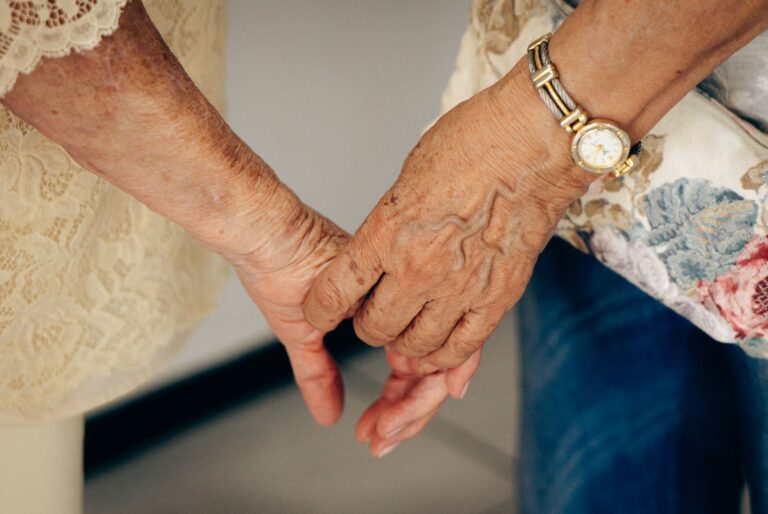
Yes, storytelling can meaningfully help families cope with dementia, though not in the way you might expect. Research and clinical practice show that sharing and receiving stories—both before and after diagnosis—helps preserve identity, strengthens family bonds, and creates moments of genuine connection that transcend memory loss. A family might discover that their mother with mid-stage dementia cannot recall her grandchildren’s names, but lights up during an old story about her own childhood adventures, revealing that emotional and narrative memory can survive longer than factual recall.
Storytelling works because dementia affects different types of memory differently. Autobiographical memory—the stories of our lives—can persist even as short-term recall fades. Families who embrace storytelling as part of their caregiving approach report less frustration during difficult conversations and moments of unexpected recognition. The practice also gives family members a constructive role beyond standard medical caregiving, which can ease caregiver burden and prevent isolation.
Table of Contents
- How Does Storytelling Activate Memory and Connection in Dementia?
- The Neuroscience Behind Story-Based Connection
- Storytelling as a Tool for Identity and Sense of Self
- Building a Family Storytelling Practice
- When Storytelling Doesn’t Work as Expected
- Storytelling in Group Settings and Residential Care
- The Role of Sensory and Creative Storytelling
How Does Storytelling Activate Memory and Connection in Dementia?
Stories engage multiple regions of the brain simultaneously, activating networks involved in emotional processing, sensory memory, and social connection. When someone with dementia hears a familiar story—especially one told by a loved one—the brain may access narrative pathways that remain intact even as other cognitive abilities decline. A man in the early stages of Alzheimer’s might forget his wife’s name on a given day, but remember the story of how they met at a college dance thirty years ago, complete with sensory details about the music and the room temperature. The difference lies in memory type.
Semantic memory (facts, definitions) is typically affected early in dementia progression. Episodic memory (events) declines later and unevenly. Procedural memory (how to do things) and emotional memory often remain accessible longest. Stories bundle these memory types together, and the emotional resonance of a good story can unlock recall even when isolated facts cannot. Family members often notice that structured storytelling during a visit produces clearer responses and longer engagement than asking direct questions about recent events.
The Neuroscience Behind Story-Based Connection
Brain imaging studies show that hearing stories activates more regions than passive conversation, engaging areas responsible for language processing, sensory simulation, and emotion. This broad activation may explain why storytelling feels different to both the person with dementia and the family member—it’s neurologically richer. However, a significant limitation is that benefit depends heavily on whether the story is familiar or emotionally meaningful. A random anecdote told by a stranger will not produce the same effect as a cherished family narrative told by a loved one in a calm environment.
The timing of storytelling matters too. Early in dementia progression, stories can help preserve identity and create anchors before memory loss deepens. In later stages, the goal shifts from recall to presence and emotion—the family member may not follow a complex narrative, but the tone of voice and the act of shared attention still register. One downside that families sometimes discover is that familiar stories can occasionally distress someone with dementia if they’re about loss or change; a story about a deceased family member, for instance, can sometimes trigger fresh grief on repeated hearing because the person may not remember that their loved one has died.
Storytelling as a Tool for Identity and Sense of Self
People with dementia often experience a dissolving sense of identity as memory fades. Storytelling can help maintain a continuous thread of selfhood by regularly affirming who someone has been and what has mattered to them. When a daughter tells her father stories about his career as an engineer, his role as a parent, his hobbies and passions, she’s reinforcing his identity beyond his current medical condition.
Over time, this practice can reduce agitation and confusion because the person has a narrative framework for understanding themselves, even if specific memories slip away. Family members who practice identity-centered storytelling report that people with dementia become less resistant to care and more engaged with visitors. A woman with moderate dementia may resist a bath from a caregiver she doesn’t recognize, but respond calmly when her son arrives and reminds her of the time she won a swimming medal in high school, situating the day’s activities within her lifelong commitment to cleanliness and self-care. This approach requires patience and creativity, since stories need to be adapted to the person’s remaining cognitive abilities and emotional state on any given day.
Building a Family Storytelling Practice
Starting a storytelling practice with a family member who has dementia doesn’t require training or special materials. The simplest approach is regular, unhurried conversation during visits—sharing stories naturally over tea, during a walk, or while looking through old photos. The photos often serve as triggers, helping people with dementia access narrative memory they can’t retrieve through direct questions. Some families record themselves or relatives telling stories, creating an audio archive that the person with dementia can revisit, though recorded stories are generally less effective than live interaction because they lack the adaptive responsiveness of real conversation.
One practical tradeoff is time investment. Storytelling requires unhurried presence; a ten-minute visit focused on telling and listening to stories often produces better connection and calmer behavior than an hour spent on functional tasks like medication reminders. Families with limited visitation time sometimes find that choosing story-based visits over task-based ones improves both the person’s mood and their own sense of purpose in the caregiving relationship. However, storytelling cannot replace medical care, nutrition, hygiene, and safety management—it’s a complement, not a substitute.
When Storytelling Doesn’t Work as Expected
Storytelling is not universally helpful and can sometimes backfire. Some people with late-stage dementia may not follow narrative structure, or may become upset if a story involves loss, change, or events they cannot situate in time. A man with advanced dementia might become agitated when told a story about his retirement because he no longer understands that he’s no longer working, creating confusion rather than comfort.
Additionally, some family members find storytelling emotionally difficult because recounting shared memories highlights what has been lost, intensifying grief during an already difficult time. A critical warning: storytelling should never be used to manipulate or deceive someone with dementia, though the temptation exists. If an older person asks repeatedly where a deceased spouse is, the ethical question of whether to gently redirect with a story (avoiding fresh grief each time) versus repeatedly confirming the death is a painful one that families should discuss with care providers. Different families and care settings handle this differently, and there is no universally correct answer—only the one that aligns with the person’s values and the family’s ability to sustain it.
Storytelling in Group Settings and Residential Care
Storytelling can extend beyond one-on-one family visits into group settings—memory care units, adult day programs, and community centers increasingly offer structured storytelling sessions for people with dementia. These sessions often use prompts like “Tell us about a time you felt proud” or share themes like “favorite foods” or “important jobs.” Group storytelling reduces isolation for people in residential care and can stimulate participation from those who rarely engage otherwise.
One example: A memory care facility in Oregon began weekly storytelling circles where residents with dementia, staff, and visiting family members gathered to share memories. Residents who rarely spoke during meals or activities became animated during these sessions. However, group settings require skilled facilitation—untrained leaders sometimes inadvertently create pressure or confusion by asking too many direct questions, which can silence participants rather than draw them out.
The Role of Sensory and Creative Storytelling
Storytelling doesn’t have to be purely verbal. Some families incorporate sensory elements—cooking a favorite meal while recounting recipes, listening to music from the person’s youth while sharing stories about dances and concerts, or looking at objects (old tools, clothing, jewelry) that anchor stories to tangible memory. A man with dementia might not recall his wife’s name at a given moment, but holding his grandfather’s pocket watch while she tells stories about his father’s heroism in World War II can create a visceral emotional connection.
Creative storytelling through art, music, or movement also engages people with dementia in ways that standard conversation sometimes cannot. Some care facilities now employ reminiscence therapy specialists who guide people through their life stories using multi-sensory techniques. Research on these approaches is still developing, and they work better for some people than others, but the flexibility they offer—multiple entry points to memory and meaning—suggests that storytelling itself is less important than finding the form of story that resonates with the individual.
- —