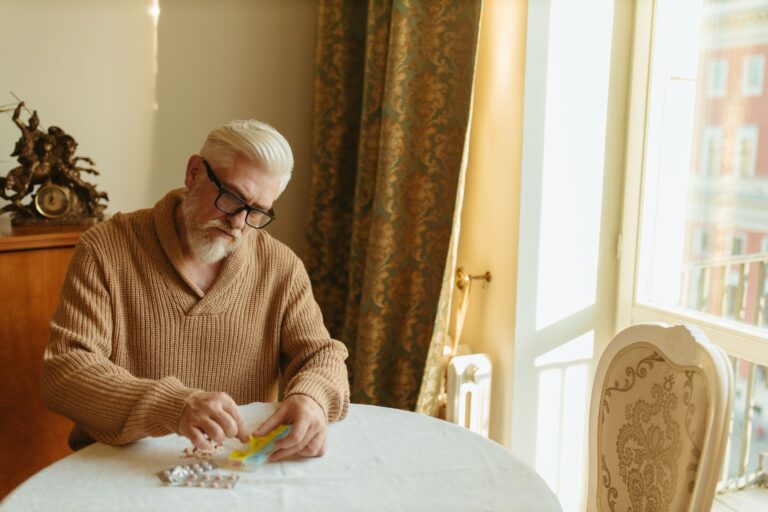
Dementia care cannot sustainably fall on one person because the disease demands constant attention across medical, emotional, and practical domains that no single individual can adequately manage alone. When one person bears the full weight of caregiving—whether a spouse, adult child, or hired aide—that caregiver’s own health deteriorates within months. A real example: Margaret, a 68-year-old woman, became her husband’s sole caregiver after his Alzheimer’s diagnosis. Within a year, her blood pressure spiked to dangerous levels, she stopped sleeping more than three hours nightly, and she missed her own annual physical. Her husband’s needs did not decrease because she was struggling; they continued escalating, and now two people were in crisis instead of one receiving better care. The reason is biological and structural.
Dementia progression follows an unpredictable timeline. A person in early stages may wander at night while still asking coherent questions during the day. Behavioral shifts, incontinence, medication changes, and medical emergencies do not pause for a caregiver’s exhaustion. One person cannot simultaneously manage doctor appointments, financial bills, toileting assistance, medication reminders, meal preparation, and the emotional labor of watching someone’s memory vanish. The model assumes superhuman capacity. When dementia care is shared among family, professional aides, and medical staff, each person handles a portion of the load, the person with dementia receives more attentive care from people who are not depleted, and critical details are less likely to slip through.
Table of Contents
- What Happens to a Caregiver When They Shoulder Dementia Care Alone?
- How Solo Caregiving Degrades the Quality of Dementia Care
- The Emotional Weight of Being the Only Caregiver
- Dividing the Practical Labor of Daily Dementia Care
- Medical Decisions and System Navigation Require Multiple Eyes
- Building a Care Team Without Guilt
- Red Flags That Dementia Care is Too Much for One Person
What Happens to a Caregiver When They Shoulder Dementia Care Alone?
caregiver burnout is not a personality weakness—it is a documented medical condition. Studies show that dementia caregivers have higher rates of depression, anxiety, high blood pressure, and weakened immune function than non-caregivers of the same age. A 2022 study found that dementia caregivers had a 63% higher mortality rate than non-caregiving adults, even when controlling for age and baseline health. This is not hyperbole. The stress hormone cortisol remains elevated in single caregivers, disrupting sleep, metabolism, and cardiovascular function. One person cannot be “on call” 24/7 without their body breaking down.
The isolation amplifies the toll. A sole caregiver often cannot leave home for more than a few hours. Appointments, hobbies, friendships, and rest become luxuries they cannot afford. They skip their own medical care, medication refills, or dental work because leaving the person with dementia—even with a sitter—requires planning and money they do not have. The psychological isolation creates a cascading effect: as depression sets in, the caregiver becomes less patient, more irritable, and at higher risk of burnout or even unintentional harm. Families often discover the caregiver crisis only when the single caregiver has a heart attack, a fall, or a mental health emergency that suddenly removes all care capacity at once.
How Solo Caregiving Degrades the Quality of Dementia Care
When one person is responsible for all decisions and all daily tasks, mistakes become inevitable and sometimes dangerous. A tired caregiver might miss a medication dose, misinterpret a symptom as behavioral when it is actually medical (like a urinary tract infection, which causes confusion), or fail to notice a fall or injury early enough. The person with dementia cannot remind them, advocate for themselves, or call for help if the caregiver is asleep, sick, or away. A shared care model catches these failures.
If a professional aide notices the person with dementia has stopped eating lunch three days in a row, they report it to the family caregiver, who tells the doctor. If a family member misses a medication dose, another caregiver double-checks the medication schedule. Multiple people observing the same person also means multiple perspectives on what might be causing a behavioral change—is this medication side effects, pain, constipation, a urinary tract infection, or early signs of a new condition? A single caregiver, exhausted and isolated, is more likely to assume the worst (worsening dementia) rather than investigate treatable causes. This limitation is real and dangerous: treatable conditions are often overlooked in single-caregiver situations, leading to unnecessary decline or hospitalization.
The Emotional Weight of Being the Only Caregiver
Dementia strips away a person’s memory and personality gradually and unevenly. A spouse caregiving for a partner with Alzheimer’s experiences a unique grief: the person is still physically present but emotionally absent, and this absence shifts and changes unpredictably. Being the sole witness to this transformation is psychologically crushing. There is no one to share the burden, no one who knows the before-and-after as intimately, and no one who can shoulder the guilt, sadness, and complex emotions that arise. A care team distributes this emotional labor.
A professional aide provides practical help, which reduces some of the caregiver’s tasks and gives them a few hours of space. Adult children or siblings can take evening shifts or weekends, allowing the primary caregiver to rest. A therapist or support group provides a space to process grief without burdening other family members. None of these people replaces the primary caregiver’s relationship, but each one lightens the weight enough that the primary caregiver can continue functioning and feeling present in their relationship rather than purely survival-focused. Without this distribution, the caregiver often becomes a task-manager rather than a person, and resentment, guilt, and depression follow.
Dividing the Practical Labor of Daily Dementia Care
The day-to-day tasks of dementia caregiving are relentless and specific. A person with moderate dementia typically needs help with toileting, bathing, dressing, meals, and medication. They may wander, be confused about time or place, or have explosive emotional outbursts. They may need to be cleaned up after incontinence, redirected when agitated, or reassured multiple times per hour. A single caregiver cannot realistically perform all these tasks, manage their own life, maintain employment, and stay healthy.
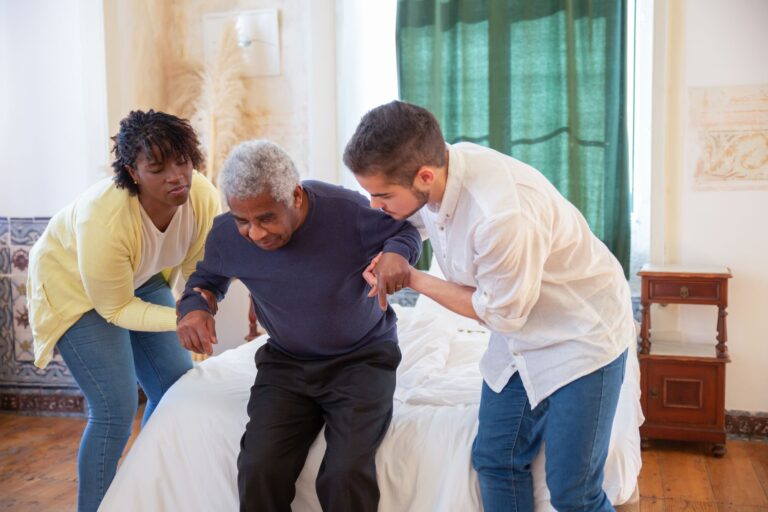
When care is divided—for example, a family caregiver handles morning routines and evenings, a paid aide covers midday and personal care, and the evening shift covers dinner and bedtime—each person works a manageable number of hours. This also means the person with dementia has consistency from each caregiver, which is often calming and reduces behavioral problems. A person with dementia may resist help from one caregiver but accept the same help from another person. Multiple caregivers also allow for skill specialization: one person might be excellent at redirecting when confused, another at managing medications, another at cooking meals the person will eat. The tradeoff is the complexity of coordination—multiple people means more calendars, more communication, more potential for gaps. But these coordination problems are solvable; caregiver collapse is not.
Medical Decisions and System Navigation Require Multiple Eyes
Navigating the healthcare system is complex even for healthy people. Dementia adds layers: a person may not accurately report symptoms, may refuse needed procedures, may have medication interactions that require careful review, and may need a healthcare proxy or power of attorney to make medical decisions. One caregiver making all these decisions is a single point of failure. If that caregiver does not understand a medication’s side effects, does not advocate firmly enough with a doctor, or makes a decision that later seems wrong, there is no second opinion and no one to catch the mistake.
A shared care model includes multiple people at doctor appointments or at least multiple people aware of the medical situation. Adult children, a spouse, and hired caregivers can collectively remember details, ask questions, and catch contradictions in medical advice. One family described a scenario where the primary caregiver was told their parent’s forgetfulness was “just normal aging” by one doctor, but a second family member who attended a later appointment heard the same symptoms described differently and insisted on cognitive testing—which revealed early dementia. Early detection changed the treatment timeline. A limitation of solo caregiving is that the single caregiver is also the only filter for medical information, meaning their own understanding gaps or biases directly affect care decisions.
Building a Care Team Without Guilt
A shared care model is not a luxury; it is a necessity. This can include family members (spouse, adult children, siblings), professional home aides (part-time or full-time), daycare programs specifically for adults with dementia, neighbors, friends, and religious or community groups. Not every caregiver can afford professional help, but every caregiver can ask family to take one evening a week, can look into subsidized daycare programs through Medicaid or aging services, or can engage church or community volunteers. A real example: James’s family could not afford full-time care, so his three adult children rotated weekends, his wife’s sister came one morning a week to do laundry, and the local Alzheimer’s Association connected them with a volunteer who visited twice a month. No single person was responsible for everything.
James’s care was actually better because his daughter noticed his swollen legs (a medication side effect) that his wife had gotten used to and stopped reporting. The care team caught problems the primary caregiver had adapted to and normalized. Starting this conversation often involves guilt. Adult children feel they should do more; spouses feel they should be able to “handle it.” But refusing help is not noble; it is unsustainable, and it does not actually serve the person with dementia. A caregiver who is collapsed or resentful provides worse care than a caregiver who is supported and able to step back occasionally.
Red Flags That Dementia Care is Too Much for One Person
Certain signs indicate that a single-caregiver arrangement is failing and needs to change. If the caregiver is missing their own medical appointments, has lost weight or sleep, is drinking more alcohol, is expressing hopelessness or dark thoughts, or is snapping at the person with dementia, the system is already broken. If the person with dementia has started refusing care from the primary caregiver but accepts it from others, that is also a warning.
Frequent infections, hospitalization, or behavioral crises can signal that care quality is slipping. If the caregiver has stopped seeing friends, quit hobbies, or feels they cannot leave home for even a few hours, their health is being sacrificed to maintain the care arrangement. These are not personal failures; they are system failures. The response is not to encourage the caregiver to “try harder,” but to immediately redistribute the workload.
- —