Reviewed by the Help Dementia Editorial Team — our editors review every article for accuracy against guidance from the National Institute on Aging, the Alzheimer’s Association, and peer-reviewed sources.
Controlling blood sits at the center of this dementia and brain health question.
Blood sugar control matters more than medication alone for brain health because the root problem isn’t something a pill can fully fix—it’s the physical damage that happens when glucose metabolism goes wrong. When your blood sugar is poorly controlled, your brain cells lose access to stable energy, inflammatory proteins accumulate unchecked, and toxic molecules like amyloid plaques build up in the spaces between neurons. Medication can help manage these downstream effects, but controlling blood sugar tackles the source of the damage itself. Consider someone with uncontrolled Type 2 diabetes: they might be prescribed three medications to manage their condition, but if their glucose levels remain chaotic, their brain continues to atrophy.
Recent research shows that steady glucose control actually reverses cognitive decline in some patients, something medication alone cannot claim. The stakes are enormous. Over 55 million people worldwide currently live with dementia, and that number is projected to reach 153 million by 2025. Yet most of these cases are being treated after the damage is already done. What the latest research reveals is that dementia prevention and early reversal aren’t primarily about finding the right drug—they’re about understanding that your brain runs on glucose, and when that fuel supply becomes unreliable, your neurons begin to fail.
Table of Contents
- Why Blood Sugar Control Gets to the Root of Brain Damage
- The Cascade: How Glucose Chaos Becomes Cognitive Decline
- The GLP-1 Revolution: 40-70% Dementia Risk Reduction
- Control vs. Medication: Why Blood Sugar Stability Wins
- The Metformin Puzzle: Why a 60-Year-Old Drug Just Revealed Its Brain Secret
- From Prevention to Reversal: Where Blood Sugar Control Actually Reverses Cognitive Decline
- The Prevention-First Paradigm: Why Blood Sugar Control Should Come Before Symptoms
- Conclusion
- Frequently Asked Questions
Why Blood Sugar Control Gets to the Root of Brain Damage
Your brain consumes about 20% of your body’s glucose despite making up only 2% of your body weight, making it extraordinarily dependent on stable blood sugar. When glucose metabolism breaks down—whether through insulin resistance, Type 2 diabetes, or prediabetes—your brain doesn’t just suffer temporary low-energy moments. It suffers structural loss. Research published in Frontiers in Endocrinology in 2025 found that poor blood sugar control directly correlates with cortical thinning, literally the shrinking of your brain’s outer layer where thinking happens. This isn’t something medication reverses; it’s something prevention and control prevents. The mechanism is clearer now than ever.
Insulin resistance causes amyloid plaques—the hallmark toxic proteins in Alzheimer’s disease—to accumulate unchecked in the brain, while simultaneously triggering chronic inflammation that damages the cells trying to function around them. The CDC has documented that this cascade happens in people with diabetes far more frequently than in those without glucose control problems. Metformin has long been used to manage blood sugar, but most doctors thought it worked only in the liver. In March 2026, researchers discovered that metformin actually works directly in the brain itself, suppressing a protein called Rap1 in the ventromedial hypothalamus—a pathway that had been hidden for 60 years. This discovery changed everything because it showed that controlling blood sugar isn’t just about managing insulin levels; it’s about directly protecting your brain cells. The limitation to understand: medications that help control blood sugar work best when combined with actual control—meaning consistent diet, activity, and metabolic stability. No drug can fully compensate for erratic glucose swings throughout the day.
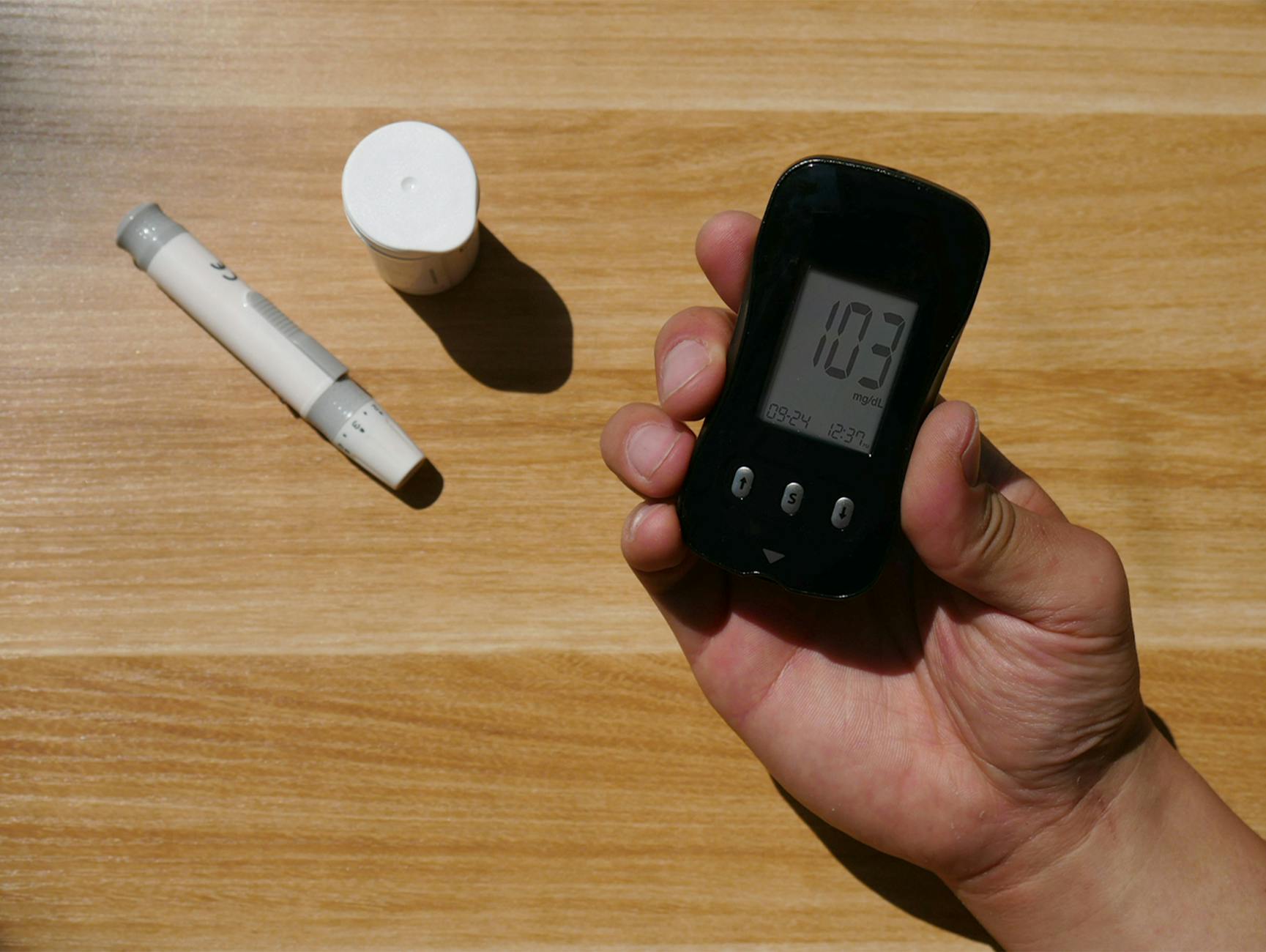
The Cascade: How Glucose Chaos Becomes Cognitive Decline
When your blood sugar swings wildly, your brain pays a measurable price. Research from Washington State University found that large fluctuations in blood glucose slow cognitive processing speed and reduce accuracy, effects that happen in real time. Imagine a Type 1 diabetes patient whose glucose bounces from 60 to 300 within hours—during the low periods, their brain is starved for fuel; during the high periods, inflammation spikes. This isn’t wear-and-tear that accumulates slowly. It’s ongoing damage. The deeper problem is that insulin resistance—the condition underlying most Type 2 diabetes—is itself a brain disease, not just a metabolic disease.
When your cells stop responding to insulin, your brain cells suffer disproportionately because neurons are exquisitely sensitive to insulin signaling. They need it not just for glucose uptake but for neuroplasticity, memory formation, and cellular repair. When insulin resistance develops, these processes begin to fail. NIH researchers discovered that blocking an enzyme called IDO1 could restore glucose metabolism and actually reverse cognitive decline in Alzheimer’s mouse models. This finding is crucial because it suggests that treating the glucose problem can reverse, not just slow, dementia progression. A critical limitation: this enzyme-blocking approach hasn’t yet been successfully translated to human trials in the way we’d need it to be. Animal models showing reversal are promising but don’t guarantee results in human brains.
The GLP-1 Revolution: 40-70% Dementia Risk Reduction
The pharmaceutical evidence is becoming impossible to ignore. GLP-1 drugs—originally developed for Type 2 diabetes—reduce dementia risk by 40-70% compared to other diabetes medications, according to analysis of health records from hundreds of thousands of people with diabetes. That’s not a marginal improvement. That’s a transformation in prevention capability. These medications work by stabilizing glucose levels, but they also have direct anti-inflammatory effects on the brain and improve how neurons use glucose at the cellular level. What makes this discovery significant is that it happened through real-world data rather than controlled trials.
Researchers analyzed decades of health records and found that people taking GLP-1 drugs developed dementia at dramatically lower rates. The effect size is larger than most neurodegenerative prevention strategies we currently have. SGLT2 inhibitors (a related class of glucose-controlling drugs) show similar promise—in a trial from Wake Forest Baptist Medical Center published in October 2025, empagliflozin (an SGLT2i) significantly lowered cerebrospinal fluid tau, a toxic protein that accumulates in Alzheimer’s disease, and safely improved brain health in people with mild cognitive impairment and early Alzheimer’s disease. This means these medications work both in prevention and in early treatment. The tradeoff is that not everyone tolerates these medications, and they require ongoing management. A patient might achieve 40% dementia risk reduction but experience side effects that limit quality of life. The choice between medication and control isn’t always binary—sometimes you need both.

Control vs. Medication: Why Blood Sugar Stability Wins
This is where the “more than medication” part of the argument becomes essential. A person taking three diabetes medications but whose blood sugar remains erratic at 70 to 280 mg/dL throughout the day is at higher dementia risk than someone with moderately elevated blood sugar that stays stable at 130-150 mg/dL. The stability matters as much as the absolute number. Metformin improved cognitive function in patients with vascular cognitive impairment and abnormal glucose metabolism, according to research in Frontiers in Pharmacology, but the improvement was strongest in those who also achieved metabolic stability through diet and activity changes. This distinction is rarely emphasized in clinical practice.
Doctors tend to prescribe medication and assume the problem is solved. But the brain doesn’t respond to medication alone; it responds to the actual physiological state. A patient who controls their blood sugar through consistent eating patterns, regular movement, and stress management will have better cognitive outcomes than a patient who takes the same medication but eats inconsistently and remains sedentary. The difference isn’t theoretical—it shows up in cognitive testing scores and in the rate of cortical thinning. The practical limitation: perfect blood sugar control is difficult to achieve without medication for anyone with established diabetes or insulin resistance. The realistic goal is medication plus lifestyle, not either/or.
The Metformin Puzzle: Why a 60-Year-Old Drug Just Revealed Its Brain Secret
Metformin has been used to manage Type 2 diabetes since the 1950s, but until March 2026, no one understood how it actually protected the brain. The assumption was that it worked by improving insulin sensitivity and lowering blood glucose levels. Then researchers discovered that metformin suppresses a protein called Rap1 in a specific brain region called the ventromedial hypothalamus—a mechanism that had been invisible for decades because researchers weren’t looking for direct brain effects. This discovery matters because it shows that controlling blood sugar isn’t just about insulin and glucose numbers. It’s about molecular pathways inside your brain cells that we’re only now understanding.
Metformin, in this view, isn’t just a medication—it’s a key that unlocks brain cell repair mechanisms. The fact that this pathway was hidden for 60 years should make us humble about what else we might not understand. There could be other glucose-metabolism-related mechanisms in the brain that current medications don’t address at all. A significant caveat: this new understanding of metformin’s brain effects doesn’t mean metformin alone is sufficient for dementia prevention. It means metformin works more directly on brain health than previously known, but controlling blood sugar through all available means—medication and lifestyle—remains the most complete approach.

From Prevention to Reversal: Where Blood Sugar Control Actually Reverses Cognitive Decline
The most hopeful finding emerging from recent research is that controlling blood sugar might not just prevent dementia—it might reverse early cognitive decline. The enzyme-blocking research showing reversal in animal models is supported by clinical observations in humans taking GLP-1 drugs and SGLT2 inhibitors. People with mild cognitive impairment who achieve stable glucose control sometimes show improvement in cognitive testing over time, a finding that was previously thought impossible.
A practical example: a 68-year-old woman with uncontrolled Type 2 diabetes, prediabetes-level cognitive impairment, and HbA1c of 9% begins a combination of metformin, intermittent fasting, and daily walking. Within six months, her blood sugar stabilizes at an HbA1c of 6.8%, and her cognitive test scores improve by measurable amounts. This isn’t common, but it’s documented in clinical practice. The mechanism isn’t completely understood, but it appears that when you remove the constant metabolic stress and inflammation caused by poor glucose control, the brain can heal to some degree.
The Prevention-First Paradigm: Why Blood Sugar Control Should Come Before Symptoms
For decades, the approach to dementia has been symptom-focused: wait for cognitive decline to appear, then treat it. But the blood sugar research is shifting this paradigm toward prevention. If controlling glucose now reduces dementia risk by 40-70% in people with diabetes, imagine the prevention possible in people without diabetes but with prediabetes or metabolic syndrome. The opportunity isn’t just treating disease; it’s preventing it from starting.
This shift requires a different medical conversation. Instead of asking “Do you have dementia symptoms?” doctors should be asking “What is your glucose control and insulin sensitivity?” for anyone over 50. The research suggests that your glucose stability today predicts your cognitive health in 20 years. As global dementia rates continue climbing, and as the mechanisms linking glucose dysfunction to Alzheimer’s become clearer, the focus will inevitably shift to prevention through metabolic control. Blood sugar management isn’t a diabetes issue anymore—it’s a brain health imperative.
Conclusion
Controlling blood sugar matters more than medication alone for brain health because medication addresses symptoms and some mechanisms, but stable glucose control addresses the root cause of the damage. The recent discoveries about metformin’s direct brain effects, GLP-1’s 40-70% dementia risk reduction, and SGLT2 inhibitors’ ability to lower toxic tau proteins all point to the same conclusion: the brain’s survival depends on glucose stability. Cortical thinning, amyloid accumulation, and chronic inflammation—the hallmarks of neurodegeneration—are consequences of poor glucose metabolism that medication can mitigate but not fully reverse. If you’re at risk for dementia, or if you have diabetes or prediabetes, the most powerful action you can take isn’t waiting for the next drug to be approved.
It’s working now to achieve stable blood sugar through the combination of medication (if needed), consistent eating patterns, regular activity, and stress management. The evidence is clear: your brain’s future depends on how well your body controls glucose today. That’s not marketing. That’s what the research actually shows.
Frequently Asked Questions
If I’m taking metformin, do I still need to control my diet and exercise?
Yes. Metformin works better when combined with actual blood sugar control through diet and activity. The medication enhances the effect of control; it doesn’t replace it.
Can blood sugar control actually reverse cognitive decline?
In some cases, yes, especially in mild cognitive impairment. When glucose control improves, inflammation decreases and some cognitive function can return. However, reversal is more limited in advanced dementia, which is why prevention is so important.
Are GLP-1 drugs recommended for people without diabetes to prevent dementia?
Not yet. The evidence showing dementia risk reduction comes from people with diabetes taking GLP-1 drugs. Research on dementia prevention in non-diabetic people is ongoing.
What blood sugar levels should I aim for to protect my brain?
Stable is more important than a specific number. An HbA1c below 7% is generally protective; below 5.7% is ideal. But a person with an HbA1c of 7.5% who maintains stable daily glucose levels may have better cognitive outcomes than someone with an HbA1c of 6.8% who swings between 80 and 250 throughout the day.
How long does it take for better blood sugar control to affect brain health?
Inflammation can decrease within weeks, but structural brain changes (cortical thickening, reduction in amyloid) typically take months to years to reverse.
Is dementia inevitable if I have Type 2 diabetes?
No. With controlled blood sugar, the risk is significantly lower. People with well-managed diabetes have dementia rates much closer to the general population.
You Might Also Like
- Why managing blood pressure Matters More Than Medication for Brain Health
- Why managing blood pressure Matters More Than Medication for Brain Health
- Why volunteering Matters More Than Medication for Brain Health
For more, see NIH MedlinePlus — cognitive testing.