Psychedelic drugs like psilocybin are being studied for various psychiatric and neurological conditions, but there is no established evidence that they treat dementia itself. Current research is in early laboratory and small human trial phases—mostly focused on depression and anxiety, not cognitive decline. The social media narrative often presents psychedelics as imminent dementia breakthroughs, but the actual science remains speculative and years away from clinical application, if it gets there at all. The gap between hype and reality matters because dementia families are vulnerable to false hope.
A person scrolling TikTok or Reddit might see claims that psilocybin reverses memory loss or slows Alzheimer’s progression. In truth, no peer-reviewed human trials have demonstrated this. What researchers are actually exploring—cautiously—is whether psychedelics might reduce behavioral symptoms like depression or anxiety in people who already have dementia, or whether they might theoretically support brain plasticity in ways that could prevent future decline. These are very different claims, and conflating them is where social media misinformation thrives.
Table of Contents
- What Does the Current Research Actually Show About Psychedelics and the Brain?
- Why Is There Such a Disconnect Between Hype and Evidence?
- What Specific Brain Changes Are Researchers Measuring?
- How Do Medical Professionals Actually View Psychedelic Research for Dementia?
- What Are the Safety Concerns, Especially in Older Adults?
- How Are Researchers Currently Testing Psychedelics in Cognitive Aging?
- What Should Dementia Patients and Families Actually Do Right Now?
What Does the Current Research Actually Show About Psychedelics and the Brain?
Psilocybin and similar compounds appear to increase neuroplasticity, the brain‘s ability to form new connections, according to preclinical studies in rodents and cell cultures. This observation has generated genuine scientific interest: if the aging brain loses plasticity, and psychedelics restore it, could they help with cognitive aging? The logic is plausible enough that several universities and research institutes have begun small human trials. However, preclinical findings in animal models or petri dishes rarely translate directly to human disease, especially in a complex condition like Alzheimer’s or other dementias. Most human research on psychedelics has focused on treatment-resistant depression, anxiety, and PTSD—not dementia. For example, Phase 2 trials of psilocybin-assisted therapy for major depressive disorder have shown symptom improvements in some patients. This has led researchers to hypothesize that if psychedelics can help with depression in younger, healthy brains, maybe they could help with depression comorbid in dementia patients.
But hypothesis is not evidence. A clinical trial in depressed older adults with mild cognitive impairment would be an entirely different and much more ethically complicated study. The practical difference: research showing that psilocybin increases neuroplasticity in a mouse brain or a cell culture is not the same as a clinical trial showing it slows Alzheimer’s. Social media often collapses these levels of evidence into a single claim: “Psychedelics reverse dementia,” which is false. What is true is that basic science continues, and some researchers believe it warrants human testing. Where the hype diverges is in skipping the middle steps and making promises before those tests are done.
Why Is There Such a Disconnect Between Hype and Evidence?
Social media amplifies uncertainty and converts speculation into conviction. A single published study about psilocybin’s effects on neuroplasticity might be repackaged as “Scientists Discover Dementia Cure” on Facebook or as a YouTube thumbnail claiming “Big Pharma Doesn’t Want You to Know.” The original research paper might contain appropriate caveats—”further human trials are needed,” “results in animal models do not necessarily predict clinical outcomes”—but these caveats disappear in the reposting. What remains is the exciting premise, repeated until it feels like established fact. There is also financial incentive for hype. Biotech companies developing psychedelic compounds have market motivation to generate public enthusiasm. Wellness influencers sell microdosing protocols or retreats. Podcasters attract listeners with provocative claims.
Meanwhile, dementia is a desperate, expensive, and psychologically devastating condition. Families are willing to believe in emerging treatments because the current options are limited, and the progression is relentless. This desperation is exploited, whether intentionally or not. A key limitation of current research is that almost no human trials of psychedelics have enrolled older adults with existing dementia diagnoses. Most trials involve younger, healthier volunteers or patients with psychiatric conditions. dementia patients present additional safety concerns: they may have polypharmacy (many medications), cardiovascular complications, difficulty communicating side effects, and cognitive impairment that affects informed consent. These factors make running rigorous trials in this population slower and more complex. The absence of data from dementia patients doesn’t mean psychedelics won’t help—but it does mean claims of efficacy are premature.
What Specific Brain Changes Are Researchers Measuring?
In preclinical studies, psilocybin has been observed to increase dendritic spines (the branching points of nerve cells) and promote brain-derived neurotrophic factor (BDNF), a protein associated with neuronal growth. These are measurable, reproducible findings. However, more neuroplasticity in a petri dish does not automatically translate to improved memory or halted cognitive decline in a living human. The brain is not a simple add-more-connections machine. Neuroplasticity is necessary but not sufficient for reversing dementia. Alzheimer’s disease, for instance, involves amyloid plaques, tau tangles, neuroinflammation, and vascular changes—multiple pathological pathways. Increasing neuroplasticity alone does not clear plaques or resolve the underlying pathology.
Some researchers have proposed that psychedelics might work by reducing neuroinflammation, a key feature of neurodegenerative disease. Others suggest they could enhance the brain’s default mode network—a set of interconnected regions—in ways that support cognition. These are mechanistic hypotheses, not established findings. In other words, researchers can articulate plausible pathways, but they have not yet demonstrated in humans that psychedelics activate those pathways or that activation leads to clinical improvement. A concrete difference: if someone takes a dementia medication like donepezil (Aricept), it inhibits acetylcholinase, slowing breakdown of the neurotransmitter acetylcholine—a mechanism that has been studied extensively in humans and shown modest benefit in early stages. The mechanism is well-characterized and the trial evidence is decades old. Psilocybin’s mechanism in dementia is not yet characterized in humans at all. We are comparing a known, tested tool to a theoretically promising but unproven one.
How Do Medical Professionals Actually View Psychedelic Research for Dementia?
Most neurologists and geriatricians are cautiously skeptical. They acknowledge the theoretical plausibility of neuroplasticity-enhancing compounds but emphasize that the evidence does not yet support recommending psychedelics for dementia patients. Major medical organizations—the Alzheimer’s Association, the American Academy of Neurology—do not endorse psychedelics as a dementia treatment. They continue to recommend evidence-based approaches: cognitive engagement, physical exercise, cardiovascular risk management, sleep, and established medications with demonstrated benefit. At the same time, a growing cohort of researchers and psychiatrists who specialize in psychedelic science take the research seriously. They argue that early-stage science should not be dismissed, and that psilocybin’s apparent safety profile and rapid therapeutic effects in depression warrant further investigation for other conditions.
They are not claiming psychedelics are a dementia cure—reputable researchers are quite careful not to make that claim. But they do believe human trials are warranted. The disagreement is about pace and priority, not about whether the research is worth doing. The practical tradeoff: if a dementia patient or family member is considering psychedelics, they are choosing between a treatment that might have theoretically interesting mechanisms but no proven benefit, and treatments that have modest but measurable benefit (exercise, cognitive training, existing medications). The risk-benefit analysis depends on the stage of disease, comorbidities, and access to standard care. For someone with early-stage mild cognitive impairment, standard interventions (exercise, diet, cognitive stimulation) have stronger evidence and are lower-risk. For someone in late-stage dementia, the goal is comfort and dignity, not experimental compounds.
What Are the Safety Concerns, Especially in Older Adults?
Psychedelics can temporarily raise blood pressure and heart rate, which is concerning in older adults with hypertension, arrhythmias, or cardiovascular disease—conditions that commonly co-occur with dementia and neurodegenerative disease. They can also cause anxiety, panic, or psychological distress during the experience; in someone with dementia who cannot clearly communicate distress or understand what is happening, this risk is amplified. Additionally, psychedelics interact with serotonin systems and could theoretically interact with SSRIs or other psychiatric medications commonly used in older adults. There is also the question of informed consent. Psychedelic trials, especially in younger, healthy volunteers, require participants to understand and agree to the experience. A person with moderate to advanced dementia may not have the cognitive capacity to provide informed consent, raising serious ethical questions.
A person in early-stage dementia might consent during a lucid period but experience significant confusion or distress during the drug’s effects. These are not insurmountable obstacles to research, but they make dementia populations lower priority for early-phase trials, which typically involve younger, cognitively intact volunteers first. A specific warning: microdosing protocols promoted on social media—taking sub-hallucinogenic doses of psilocybin regularly—have no established safety data in older adults or people with dementia. Proponents claim that sub-perceptual doses avoid the psychological risks of full doses while still providing neuroplasticity benefits. But this claim is speculative. Regular low-dose psilocybin exposure in an aging brain with reduced kidney and liver function could accumulate in unpredictable ways. Anyone considering this outside of a regulated clinical trial is essentially self-experimenting without safety monitoring or adverse event reporting.
How Are Researchers Currently Testing Psychedelics in Cognitive Aging?
A few small studies have begun enrolling older adults or those with cognitive concerns. Some research institutions are investigating psilocybin-assisted therapy for depression in older populations, which is relevant because depression accelerates cognitive decline and is common in early dementia. Other researchers are exploring whether microdosing might support cognitive health in aging populations without dementia. These are preliminary, often Phase 1 or 2 trials with small sample sizes and limited follow-up. None have reported dementia reversal or prevention.
The operational challenge is that rigorous trials are slow and expensive. A randomized controlled trial comparing psilocybin-assisted therapy to placebo in people with mild cognitive impairment would need to run for years, carefully monitor cognitive outcomes, control for confounding variables, and manage safety. Funding for such trials is limited because the potential market (dementia prevention) is uncertain and the regulatory pathway is unclear. Established pharmaceutical companies are less interested because psychedelics are difficult to patent and control. Smaller biotech firms and research nonprofits are pursuing these questions, but progress is gradual.
What Should Dementia Patients and Families Actually Do Right Now?
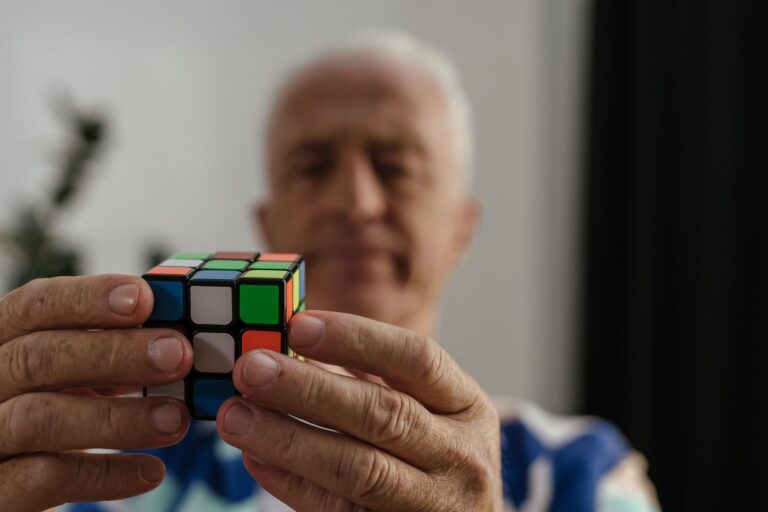
If you or a family member has been diagnosed with dementia, mild cognitive impairment, or normal aging, the evidence-based actions remain: regular aerobic exercise (which has robust data supporting cognitive benefit), cognitive engagement (learning, puzzles, social interaction), Mediterranean or DASH diet patterns, sleep quality, management of cardiovascular risk factors, and treatment of depression or anxiety if present. These interventions are accessible, low-risk, and supported by decades of research. They are not as exciting as the premise of a psychedelic breakthrough, but they work. If psychedelics interest you—either as a research participant or out of personal curiosity—your option is to enroll in a legitimate clinical trial if one is recruiting in your area.
These trials are conducted under regulatory oversight, with safety monitoring and informed consent procedures. They are not perfect, but they are far safer and more scientifically valuable than self-experimenting or purchasing compounds from unregulated sources. The National Institutes of Health (NIH) clinical trials database (clinicaltrials.gov) lists ongoing studies. Joining a rigorous trial is a way to contribute to the research while having your safety and outcomes carefully monitored, even if the trial does not directly benefit you.
- —