Reviewed by the Help Dementia Editorial Team — our editors review every article for accuracy against guidance from the National Institute on Aging, the Alzheimer’s Association, and peer-reviewed sources.
Managing blood sits at the center of this dementia and brain health question.
Managing your blood pressure is more critical for brain health than simply taking medication once you’ve been diagnosed with hypertension. While medications are essential tools, the broader approach to blood pressure management—including lifestyle changes, consistent monitoring, and early intervention—offers superior protection against cognitive decline and dementia. The reason is sobering: your brain begins deteriorating from high blood pressure far earlier than you might realize. Research from Weill Cornell Medicine published in November 2025 revealed that hypertension causes gene expression changes in critical brain cell types just three days after blood pressure starts rising, meaning damage is occurring silently before you ever notice symptoms or even before your doctor diagnoses the condition. This early, invisible damage cascades into measurable cognitive decline over time.
People with hypertension face a 1.2 to 1.5-fold higher risk of developing cognitive disorders compared to those with normal blood pressure, according to the American Journal of Hypertension. The distinction matters enormously: you can’t simply wait for medication to fix a problem that’s already started remodeling your brain’s architecture. Consider a 58-year-old professional who discovers high blood pressure during a routine checkup. While medication will help, that person’s best defense against future dementia is actively managing all the factors that influence blood pressure—stress, sleep, exercise, diet, and medication adherence—rather than treating medication as a standalone solution. The article will explore why this comprehensive approach matters more than medication alone, and how understanding the timeline of brain damage can fundamentally change how you approach your long-term brain health.
Table of Contents
- Why Blood Pressure Damage Starts Before You Know You Have Hypertension
- How Hypertension Rewires Your Brain’s Memory and Cognitive Centers
- Why Medication Alone Cannot Replace Active Management
- Practical Approaches to Managing Blood Pressure for Brain Protection
- Understanding Resistant Hypertension and Emerging Treatment Options
- Blood Pressure Variability and Its Underrecognized Brain Impact
- The Emerging Picture of Blood Pressure as Central to Brain Longevity
- Conclusion
Why Blood Pressure Damage Starts Before You Know You Have Hypertension
Most people think of high blood pressure as a condition that exists once it’s diagnosed—once the numbers on the cuff are elevated. The actual timeline is far more insidious. The Weill Cornell Medicine research demonstrates that your brain is already under attack before diagnosis, with changes in endothelial cells (the lining of blood vessels), interneurons (brain signaling cells), and oligodendrocytes (cells that insulate nerve fibers) beginning within days of elevated pressure. This isn’t theoretical: it’s measurable gene expression changes that alter how your brain’s cells function. The cascade of damage progresses through several stages.
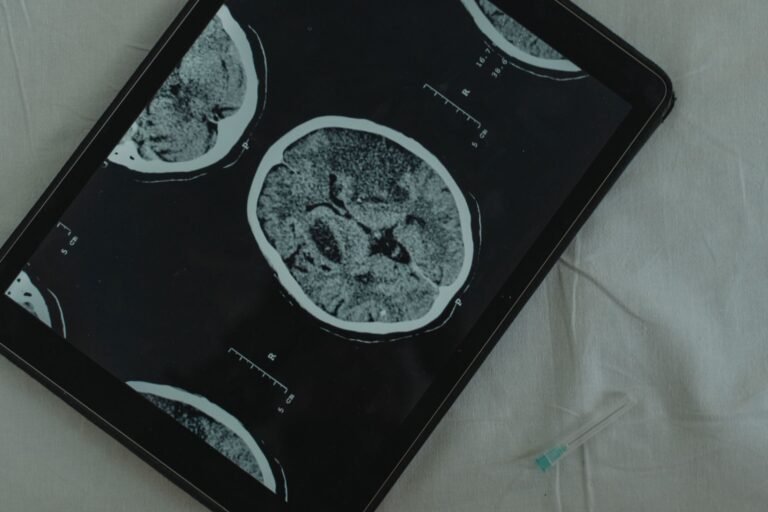
First comes the cellular disruption—those early gene changes that impair how brain cells communicate and protect themselves. Over weeks and months, this develops into white matter lesions, which are areas of brain tissue damage visible on MRI scans. A Harvard Health study of 449 adults found that those with systolic blood pressure below 120 mm Hg had significantly fewer white matter lesions compared to those maintaining pressure around 140 mm Hg. The comparison is stark: better blood pressure control literally preserves your brain tissue. The limitation to understand here is that this damage can be partially halted or slowed, but not fully reversed once it occurs. The earlier you intervene—ideally before diagnosis—the more brain tissue you protect.

How Hypertension Rewires Your Brain’s Memory and Cognitive Centers
The regions where white matter lesions develop are not random—they’re concentrated in the areas critical for memory formation, executive function, and information processing. When high blood pressure damages these specific regions, cognitive decline follows a predictable path: difficulty retrieving memories, trouble concentrating, slower processing speed, and eventually, if unchecked, progression toward dementia diagnoses. Blood pressure variability adds another layer of risk that many people overlook. Research from the USC Gerontology Center in October 2025 found that older adults with highly variable blood pressure—meaning significant fluctuations between heartbeats and throughout the day—showed greater brain tissue loss in memory and cognition regions than those with stable pressure readings. This is a critical warning: even if your average blood pressure is acceptable, wild swings throughout the day can cause damage.
A person whose systolic pressure jumps from 110 to 160 between morning and afternoon is putting their brain at greater risk than someone maintaining steady 130-135 readings. The implication is that blood pressure management requires attention to consistency, not just overall numbers. The mechanism involves both direct vessel damage and reduced oxygen delivery to sensitive brain tissues. When pressure spikes, it stresses the delicate blood vessels in the brain. When pressure drops too low, those same regions don’t receive adequate oxygen. For someone managing hypertension, this means that aggressive management of variability—through consistent medication timing, stress reduction, and regular monitoring—becomes as important as reaching target numbers.
Why Medication Alone Cannot Replace Active Management
Medications for hypertension are highly effective at lowering numbers, and they do prevent progression to dementia—patients on antihypertensive medications were 80% less likely to progress to full Alzheimer’s disease than untreated patients over a two-year period, according to the National Institute on Aging. Yet this statistic conceals an important truth: that 80% reduction only occurs in people who are actually taking their medication as prescribed. The medication sits in your cabinet only if you remember to take it, only if you can afford refills, and only if you’re seeing a doctor regularly enough to adjust dosages. Active management means understanding what drives your specific blood pressure. For some people, it’s primarily diet and sodium sensitivity. For others, it’s stress, sleep deprivation, or lack of physical activity.
Many people need medication, but the medication works best when combined with lifestyle modifications that address root causes. A practical example: a 62-year-old woman on a single blood pressure medication who also takes a 30-minute walk five days per week and practices consistent sleep habits will likely have better long-term brain outcomes than someone on three medications who is sedentary and sleeps poorly. Her comprehensive management approach gives her medication room to work effectively. The tradeoff is effort versus outcomes. Comprehensive management requires ongoing attention and habit formation. It’s easier to take a pill. But the brain protection benefit of combined medication plus lifestyle management significantly exceeds medication alone, particularly over the 20-30 year timescale where dementia risk becomes critical.

Practical Approaches to Managing Blood Pressure for Brain Protection
Daily monitoring creates accountability and early warning signals for problems. Home blood pressure caches reveal patterns that office-only measurements miss: morning surge, afternoon spikes, evening stability. The SPRINT trial, which followed 9,300 participants age 50 and older, demonstrated that aggressively targeting systolic blood pressure below 120 mm Hg significantly reduced cardiovascular events and deaths in nondiabetic adults. The trial’s insights extend to brain health: lower target pressure means better brain protection, provided the reduction happens gradually and is monitored carefully. Creating a sustainable routine requires identifying which lifestyle factors move your needle most. Exercise consistently shows strong effects—aerobic activity and resistance training both lower blood pressure. Dietary changes, particularly reducing sodium and increasing potassium-rich foods, provide measurable benefit.
Stress management through meditation, time in nature, or other practices matters more than many people realize, because chronic stress elevation keeps blood pressure chronically elevated. For many people, quality sleep proves to be the leverage point: sleeping six hours or less is associated with higher blood pressure and greater cognitive decline risk. The practical approach involves systematic adjustment. Start by establishing your baseline through consistent home monitoring—same time daily, properly fitted cuff, several readings over a week. Then implement one major lifestyle change and measure its effect after four weeks. This method prevents overwhelm and shows whether you’re moving in the right direction. Someone might discover that adding 30 minutes of walking, five days per week, drops their pressure by 8-12 points—that’s meaningful brain protection. This systematic approach also reveals which factors matter most for your individual physiology, allowing you to prioritize efforts.
Understanding Resistant Hypertension and Emerging Treatment Options
Despite medication and lifestyle changes, some people’s blood pressure remains stubbornly elevated—a condition called resistant hypertension. For these patients, new treatment options are emerging. In April 2026, research on baxdrostat, a novel medication for resistant hypertension, showed it reduces blood pressure approximately 9-10 mm Hg more than placebo in patients unresponsive to standard medications. For people with resistant hypertension, this additional reduction can be the difference between continued brain damage and stabilization. The warning here is important: resistant hypertension often signals either medication non-adherence or an underlying secondary cause that hasn’t been identified. Before pursuing newer medications, comprehensive evaluation is critical.
Sleep apnea, kidney disease, certain medications (like NSAIDs), and hormonal conditions can all cause or worsen hypertension. A person who appears medication-resistant might actually have untreated sleep apnea causing nightly blood pressure surges that destroy brain tissue. The treatment, then, isn’t a stronger medication but correcting the underlying sleep disorder. The emergence of new medication options does reflect one positive trend: the medical field is increasingly recognizing that standard approaches don’t work for everyone, and investment in solutions is accelerating. The National Institute on Aging awarded a $21.6 million research grant in February 2026 specifically to investigate how blood pressure treatment affects brain biology and dementia risk. This represents an inflection point—researchers are moving beyond asking “does blood pressure matter for the brain?” to asking “what’s the optimal way to manage blood pressure for maximum brain protection?”.

Blood Pressure Variability and Its Underrecognized Brain Impact
The USC research on blood pressure variability introduces a measurement most patients never see: the standard deviation of their blood pressure readings across days or even hours. Someone with stable 130/80 readings throughout the day experiences less brain damage than someone whose pressure ranges from 100/60 to 160/100, even if the average is identical. This means that people using certain medications that wear off unevenly throughout the day might be harming their brains despite adequate medication coverage.
The practical implication is that blood pressure monitoring should capture variability, not just average readings. Some newer home monitors and wearable devices can track pressure fluctuations throughout the day. If your readings show high variability, discussing medication timing or type adjustments with your doctor becomes important—perhaps switching to a longer-acting medication that provides steadier coverage, or adjusting dosing schedule to flatten peaks. This represents a shift from “are you on blood pressure medication?” to “is your blood pressure stable throughout the day?”.
The Emerging Picture of Blood Pressure as Central to Brain Longevity
The convergence of recent research—from Weill Cornell’s early detection studies to USC’s variability findings to the large SPRINT trial outcomes—paints a clear picture: blood pressure management is not a cardiac issue with brain side effects. It’s a primary brain health intervention. The $21.6 million research investment signals that major medical institutions are reorganizing around this understanding.
Looking forward, we’re likely to see blood pressure monitoring become as routine for dementia prevention as cognitive screening. Biomarkers that detect early brain changes from hypertension might soon allow doctors to identify damage before symptoms appear, enabling earlier intervention. The possibility of new medications offering better brain protection with fewer side effects, as research on compounds like baxdrostat progresses, means that people with difficult-to-control hypertension may finally have options that were unavailable a few years ago. For now, the crucial insight is that your approach to blood pressure management in your 50s and 60s directly determines your cognitive capacity in your 80s and 90s.
Conclusion
Managing blood pressure matters more than medication because it encompasses medication within a broader system of protection. Medication is one essential tool, but sustainable blood pressure control requires understanding your personal pressure patterns, addressing root causes, maintaining lifestyle changes, and monitoring consistently. The brain damage from hypertension begins earlier than diagnosis, making prevention and early intervention vastly more effective than trying to recover cognitive function after decline has begun.
Your next step should be establishing a baseline through home blood pressure monitoring, identifying which lifestyle factors most influence your personal readings, and partnering with your healthcare provider to develop a comprehensive management plan. If you haven’t had blood pressure readings in the past year, obtain one soon—and if you have hypertension, make managing it consistently your top priority for brain health. The investment in this effort compounds over decades, protecting the cognitive abilities that define independence and quality of life in later years.
You Might Also Like
- Why volunteering Matters More Than Medication for Brain Health
- Why volunteering Matters More Than Medication for Brain Health
- Why taking 8,000 steps a day Matters More Than Medication for Brain Health
For more, see Alzheimer’s Association.