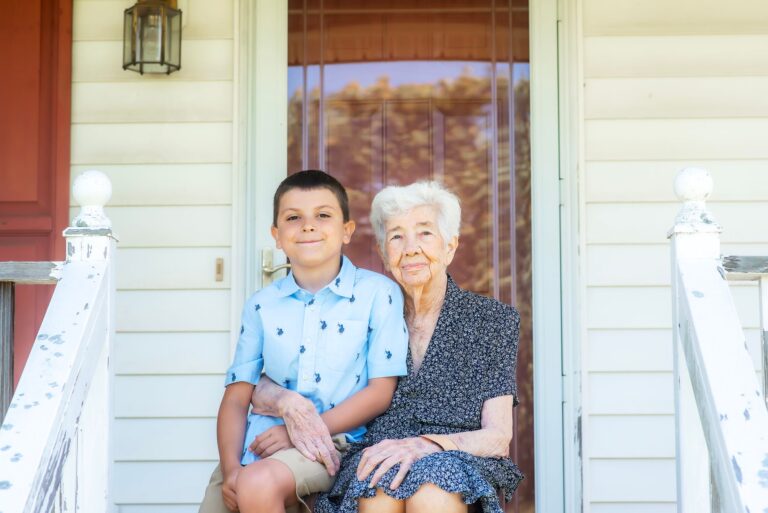
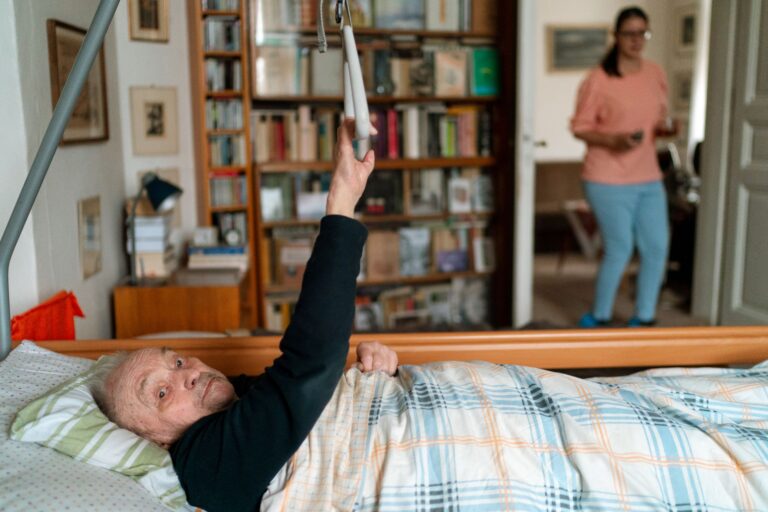
In-home dementia care can work for many families when the person with dementia is in earlier to moderate stages and has at least one dedicated caregiver willing to manage day-to-day care. A 72-year-old woman in Massachusetts, recently diagnosed with mild cognitive impairment and early-stage Alzheimer’s disease, chose to remain in her home with her adult daughter providing primary support while hiring a part-time aide for bathing and cooking. This arrangement worked for over two years, allowing her to maintain familiar routines, keep contact with long-time neighbors, and avoid the institutional setting that some people find disorienting. However, staying home requires careful planning, access to professional support, financial resources, and honest assessment of what a single family can realistically manage as symptoms progress.
The choice between in-home care and nursing home placement is rarely simple. Each path has genuine tradeoffs. In-home care can offer better quality of life for the person with dementia if the home environment is safe, the caregiver is trained and supported, and money is available to hire help when needed. But it also demands physical and emotional labor from family members, creates unpredictable medical situations that can feel overwhelming, and may ultimately prolong suffering if the person reaches advanced stages requiring round-the-clock skilled nursing. Neither option is inherently wrong—the right choice depends on the specific person, their needs, their family structure, and their resources.
Table of Contents
- How Does Home Care Differ From a Nursing Home Setting?
- Understanding the Financial Reality of Home Care
- Managing Medical Care and Personal Needs at Home
- The Impact of Caregiving on Family and Work Life
- When In-Home Care Becomes Unsafe or Unsustainable
- Starting the Transition to Home Care
- Working With Professional Home Care Agencies and Caregivers
- Frequently Asked Questions
How Does Home Care Differ From a Nursing Home Setting?
Nursing homes provide 24/7 staff presence, which means medical checks, medication management, and bathroom assistance happen on a schedule regardless of time of day. Someone with dementia gets three regular meals, activities, and monitoring for infections or falls by trained nursing staff. Home care, by contrast, depends entirely on who’s available in the house. A family caregiver and one or two hired aides must juggle work schedules, personal needs, and the unpredictable demands of dementia. There’s no night shift staff walking hallway rounds, no call button bringing immediate help if someone falls at 2 a.m. The physical environment matters too.
In a nursing home, hallways are wide, bathrooms are grabbed bars and accessible showers, and bedrooms are designed for safety. A home with stairs, narrow doorways, hard tile floors, and familiar furniture that can’t be moved creates fall risks and can become a prison as the person’s mobility declines. Someone who wanders in a facility can be managed within a secure unit; someone who wanders from a home needs constant supervision or locked doors that may feel cruel or imprisoning. Social interaction differs significantly. Nursing homes offer activities, group meals, and contact with other residents. Families often find their loved one more isolated at home, spending hours sitting and watching television while the caregiver handles household tasks. Some families hire companions to provide daytime engagement, but it’s not the same as a structured activities program or the ambient social presence of a care community.
Understanding the Financial Reality of Home Care
People often assume home care is cheaper than nursing homes, but that assumption collapses quickly once professional help enters the picture. A nursing home in the united states can cost $5,000 to $10,000 per month depending on location and level of care, and many are not covered by insurance. In-home care, when you hire aides for even part-time coverage, often reaches $3,000 to $6,000 monthly, and doesn’t include the hidden costs of home modifications, medical equipment, increased utilities, or worn-out furniture that needs replacing. The real financial difference is this: nursing homes present a predictable, lump-sum monthly cost that’s the same whether you visit daily or not. Home care costs are variable and hidden. You might spend $2,000 one month on aide time and $4,500 the next month when you need extra coverage because the primary caregiver is sick or burnt out.
Home modifications—ramps, grab bars, medical alert systems, bedroom changes to main floor, bathroom renovation—can run $5,000 to $30,000 upfront. Medication reminders, incontinence supplies, specialized mattresses, and equipment add up fast and are almost never covered by insurance. Neither setting covers long-term care costs well for people of modest means. Medicare covers limited skilled nursing in a facility but not custodial care. Medicaid pays for both home and facility care, but requires spend-down of assets and has strict income limits. Many middle-income families face a squeeze: too wealthy for Medicaid help, but not wealthy enough to afford private pay care for years. Home care delays institutionalization for some but accelerates financial crisis for others.
Managing Medical Care and Personal Needs at Home
Handling dementia-specific medical needs at home is manageable in early stages, chaotic in middle stages, and potentially dangerous in late stages. Someone in early dementia might only need medication reminders, regular doctor visits, and help tracking symptoms. A caregiver can handle this with a pillbox, calendar alerts, and written instructions. But as cognitive decline progresses, administering multiple medications, managing medication side effects, recognizing signs of infection or decline, and responding to emergencies becomes a medical skill. A 68-year-old man with moderate dementia and diabetes living at home needed insulin injections daily. His wife, untrained in medical care, gave the injections but missed warning signs of a urinary tract infection that caused severe behavioral changes. She attributed the aggression and confusion to disease progression rather than infection, delaying treatment.
Once diagnosed and treated, his behavior improved significantly—but this window of time could have meant a fall, self-injury, or serious complications. Medical emergencies at home lack the immediate response of a facility. A fall, choking episode, or cardiac event in a nursing home brings trained staff in seconds. At home, you call 911 and wait, sometimes watching your loved one suffer. Hiring home health aides and nurses solves some of this. A registered nurse visiting weekly or bi-weekly can adjust medications, assess for infections, and educate family caregivers. But this costs additional money and requires the coordination skills to hire, train, and manage health staff while also being the primary emotional caregiver. Many families lack access to reliable home health services, particularly in rural areas.
The Impact of Caregiving on Family and Work Life
Family caregiving for dementia is unpaid, intense, and usually falls to one person—often a daughter or spouse. That person becomes the household manager, the medical advocate, the safety monitor, and the constant companion. Even with hired help, the emotional weight doesn’t decrease. You remain responsible. You make decisions. You live with the consequences of every choice. The practical constraints are severe.
Caregivers struggle to work full-time and provide in-home dementia care simultaneously. Some reduce hours, take leave, or quit jobs entirely, destroying their own career trajectory and retirement savings. Others try to balance both and report constant stress, guilt about unmet needs on both sides, and physical exhaustion. A 55-year-old woman caring for her mother while working part-time described it as “always rushing, always behind, always worried I’m doing something wrong.” Respite care—hiring someone to take over for a few hours or a day—helps but costs money families often can’t spare. Nursing home placement can feel like abandonment to both caregiver and patient, especially in a culture that values family care. But it can also free the adult child to be a son or daughter again instead of an unpaid healthcare worker. Some families find that visiting the nursing home without 24/7 care responsibilities lets them actually enjoy time with their loved one rather than resenting the constant demands. Neither choice is selfless; each involves loss.
When In-Home Care Becomes Unsafe or Unsustainable
Home care fails, sometimes badly, when the person with dementia reaches advanced stages. In late-stage dementia, the person can’t communicate pain, request help, or understand safety. They may require assistance with every bodily function, full-time supervision to prevent wandering, and skilled nursing for feeding tubes, wound care, or complex medication. A single caregiver or even two aides cannot safely manage this level of need. There’s also the risk of caregiver breakdown or abuse.
Most family caregivers are good people with good intentions, but chronic stress, sleep deprivation, and isolation can make even loving people act in ways they later regret. Some caregivers become verbally harsh, physically rough, or neglectful. Studies consistently show that family-provided long-term care carries higher risks of neglect or emotional abuse than facility care, not because families are bad but because untrained, unsupported people can only manage so much. If you see signs of caregiver burnout—anger, withdrawal, drinking, deterioration in the home environment—that’s a signal that in-home care isn’t working anymore. Medical complications that require 24/7 monitoring also indicate the need for facility care. If the person has severe behavioral disturbances, dangerous wandering that can’t be secured, or complex medical needs like insulin dependency combined with inability to communicate symptoms, a nursing home with trained staff is safer than a home setup.
Starting the Transition to Home Care
If you choose in-home care, the first months require aggressive preparation. The home needs safety modifications: grab bars in bathrooms, clear pathways, secure locks on dangerous doors or areas, good lighting, and often a stair lift or first-floor bedroom if mobility is declining. These changes cost money and take time. Many families skip them because they seem not-yet-necessary, then scramble after a fall. Before the person with dementia comes home (or transitions from independent living to care at home), interview and hire your care team.
This typically includes a geriatric care manager, home health nurses, and aides. Establish clear boundaries: who does what, when, how much it costs, what happens if someone is sick, how you’ll communicate about problems. Write everything down. Get training from professionals on how to handle behavioral changes, medication errors, hygiene, and wandering. This isn’t instinctive, and family caregivers who guess often make mistakes that set back everyone’s wellbeing.
Working With Professional Home Care Agencies and Caregivers
Hiring care staff is not like hiring a housekeeper. You’re inviting someone into your home to manage intimate tasks for your loved one. Quality matters enormously, and turnover is common. Some agencies employ trained, reliable aides; others send whoever’s available. Some aides show up on time, follow instructions, and respect the family’s wishes; others treat the job as a paycheck and ignore instructions. When you hire aides or nurses, establish clear expectations in writing: what tasks they perform, what happens if they’re late or absent, how you’ll communicate problems, and what causes immediate termination.
Many families avoid these hard conversations and then find themselves frustrated when the aide doesn’t do tasks the right way, misses details about medication or safety, or develops dependency on the family. Professional relationships function better with clear boundaries, not deeper friendship. Documentation is also crucial. Keep a daily log of what the person ate, when medications were given, behavior changes, and any medical events. This protects you legally, helps providers coordinate care, and gives you data to share with doctors when something changes. Without it, you’re relying on memory and word-of-mouth, which fails quickly in medical care. When a nurse asks, “Has he been more confused the last week?” you need to know the answer rather than guess.
- —
Frequently Asked Questions
Can a spouse provide all the care at home without hired help?
Rarely for very long. A spouse in their 70s or 80s caring for a partner with moderate dementia faces physical demands that degrade their own health. Even if the caregiver manages, isolation and burden increase depression and caregiver burnout. Most experts recommend professional help for bathing, toileting, and some supervision within the first 1-2 years of home care.
Is in-home care better for the person with dementia emotionally?
Not automatically. People with dementia living at home often become more isolated, especially if the caregiver is also working or managing household tasks. Some do better in a home setting with familiar surroundings; others are confused at home and feel less anxious in a facility with structure and staff. It depends on the individual, not on the setting.
How do you know when it’s time to move to a nursing home?
Red flags include: the person requiring 24/7 supervision due to wandering or safety risk, medical needs beyond what family can manage safely, caregiver showing signs of breakdown, behavioral crises that family can’t de-escalate, or the person reaching late-stage dementia requiring feeding assistance and full care.
What if we can’t afford professional home care?
Many families manage with volunteer support from church or community, adult day programs, and intensive family labor. This is sustainable only in early stages and only with realistic expectations. If financial resources are very limited, investigate Medicaid coverage for home health services or explore whether a facility with Medicaid coverage might actually be more affordable than private pay home care.
Can you transition from home care to a nursing home smoothly?
Yes, but it takes time to find a good facility and prepare the person. Rushed transitions, where families wait until crisis and then move suddenly, are traumatic. Better to start exploring options 6-12 months before you think you’ll need them, let your loved one visit the facility if possible, and move when things are stable rather than in emergency.