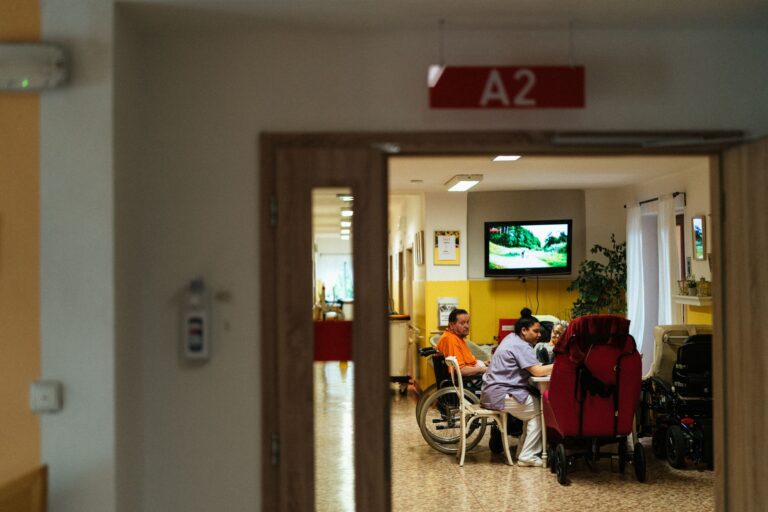
Preparing for future hospital visits after a delirium episode requires documenting your medical history completely, organizing your support systems before you’re admitted, and establishing a coordinated recovery plan with your healthcare providers. If you experienced delirium during a recent hospitalization—confusion, disorientation, difficulty tracking time or recognizing people—you’re at higher risk for readmission within 30 to 90 days. Research shows that up to 50% of patients undergoing cardiac surgery experience delirium during their hospital stay, and nearly all of them face a critical window after discharge when careful preparation can prevent another crisis.
The good news: when hospitals implement evidence-based delirium prevention protocols, they reduce 30-day readmissions by 17% and 90-day readmissions by 28%. The challenge is that delirium itself impairs memory. Patients who recover may have poor recall of their hospital care, medications, and discharge instructions, even though they appear to return to normal. This gap between apparent recovery and actual cognitive capacity makes advance preparation essential—you need systems in place before the next hospital visit, not scrambling to piece together information while you’re confused.
Table of Contents
- Understanding Post-Delirium Vulnerability and Long-Term Consequences
- Creating and Maintaining Your Complete Medical Documentation
- Assembling Your Hospital Visit Preparation Kit
- Building Your Support Team Before Crisis Strikes
- Post-Discharge Cognitive Rehabilitation and Home-Based Recovery
- Implementing Multicomponent Prevention Strategies at Home and During Visits
- Medication Management and Structured Follow-Up Protocols
Understanding Post-Delirium Vulnerability and Long-Term Consequences
delirium doesn’t simply resolve when you leave the hospital. Research published in 2025 shows that patients who experienced acute delirium face significantly worse long-term outcomes: persistent cognitive and functional decline, elevated risk of developing dementia within months or years, reduced quality of life, and increased mortality rates compared to hospitalized patients who didn’t experience delirium. This isn’t a temporary confusion that clears completely—it’s a marker of serious vulnerability in your brain’s ability to handle stress. The cascade works like this: during delirium, your brain’s networks become dysregulated.
Even after the acute episode resolves, those networks remain fragile. A subsequent infection, medication change, surgery, or even travel stress can trigger another delirium episode more easily than it would have before. For this reason, each future hospital visit carries additional risk. You’re not starting from the same baseline; you’re starting from a state of increased susceptibility.
Creating and Maintaining Your Complete Medical Documentation
Before your next hospital visit, gather and organize every piece of your medical information in one accessible location—physical copies and digital backups. This documentation becomes your lifeline when you’re admitted and may be confused. Your list should include: every medication you currently take (including over-the-counter drugs, supplements, and herbal products), all known drug and food allergies with the specific reactions you experienced, contact information and phone numbers for each of your physicians, the name and location of your usual pharmacy, and a complete record of all known medical conditions and previous surgeries. A critical limitation here is that hospitals frequently miss delirium diagnoses. Chart reviews show that actual delirium incidence is 9.14 times higher than discharge diagnoses alone—meaning most cases aren’t even documented in medical records.
Because of this underrecognition, you can’t rely on hospitals to catch what they missed before. When you’re admitted, directly tell every nurse, doctor, and staff member that you experienced delirium during a previous hospitalization and ask them to flag you as high-risk. Ask about what screening methods they’ll use (the ‘4AT’ tool is a standard delirium screening instrument) and request that screening happen within the first 24 hours. At transitions of care—moving from hospital to home, or between different care facilities—insist on a formal handoff conversation. Your discharge plan should explicitly include: continued delirium assessment protocols, detailed medication reconciliation especially for any psychotropic medications, assessment of post-delirium consequences (PTSD symptoms, cognitive impairment, mood changes), and written education for both you and your caregivers about delirium warning signs and prevention strategies.
Assembling Your Hospital Visit Preparation Kit
Bring physical copies of all medications to the hospital, not just a written list. Pharmacists will photograph or scan them during admission, and having the actual bottles eliminates transcription errors. Additionally, bring specific items from home: your glasses, hearing aids, and dentures if you use them. These aren’t optional comfort items—sensory impairment (especially hearing loss and vision problems) is one of the strongest risk factors for delirium.
Hospitals often overlook sensory aids, assuming patients will manage without them. You won’t. Beyond medical items, bring environmental supports: a favorite blanket, a small music player with music that calms you, family photos in a frame, or anything else that orients you to who you are and who you love. These items don’t just comfort you—they actively reduce delirium risk by anchoring your sense of self and helping your brain maintain its bearings in an unfamiliar, disorienting environment. Keep this kit at home and update it annually: fresh photos, new batteries for devices, rotation of comfort items so nothing is so worn that it won’t work when you need it.
Building Your Support Team Before Crisis Strikes
Establish a care team now, before your next hospital admission. This team should include family members (if available), trusted friends, and potentially a paid caregiver or care manager who knows your history. The person managing this team—often called the primary caregiver—should be someone you trust completely and who knows you well. They should have copies of all your medical documentation and permission to speak with your doctors (which requires legal health proxy or power of attorney paperwork; don’t skip this). During hospital visits, your care team plays a specific role that differs from general social support.
They visit to provide calm, familiar presence—speaking softly, using simple language, offering gentle reassurance. They should coordinate with hospital staff (checking with your primary nurse about whether you need rest before multiple visitors arrive), monitor for signs of delirium (confusion about time or place, seeing things that aren’t there, mood changes), and serve as your advocates if hospital staff miss warning signs. This is more demanding than typical visiting; it requires training. Ask your hospital whether they offer caregiver education about delirium during hospitalization. If not, contact your primary physician’s office and request it.
Post-Discharge Cognitive Rehabilitation and Home-Based Recovery
Recovery from delirium doesn’t end when you leave the hospital—it’s just beginning. Evidence supports starting home-based rehabilitation within two weeks of discharge through a program called RecoverED, consisting of personalized sessions delivered by healthcare professionals (occupational therapists, physical therapists, neuropsychologists) for up to 10 sessions over 12 weeks. Research also supports twice-daily cognitive training during hospitalization followed by 12 weeks of post-discharge cognitive rehabilitation, with participants showing improved global cognition at the 4-month mark.
A limitation to understand: these programs require engagement from you or a caregiver when you’re already exhausted and may not feel motivated. Cognitive rehabilitation sounds like flashcards and memory games—which it can include—but it also involves occupational therapy assessments to identify what functions matter most in your daily life (managing medications, cooking, paying bills) and retraining those specific functions. Occupational therapy delirium pathways are designed to reduce hospital readmission by addressing discharge planning specifically with delirium recovery in mind, not generic discharge planning. Ask your hospital whether they have occupational therapy involvement during your stay and whether outpatient cognitive rehabilitation services are ordered before you leave.
Implementing Multicomponent Prevention Strategies at Home and During Visits
Prevention of future delirium episodes requires a coordinated approach addressing multiple factors simultaneously. Core focus areas include: maintaining orientation (regular calendars, clocks, family presence, clear explanation of where you are and what’s happening), encouraging mobility appropriate to your condition, protecting sleep quality (consistent bedtimes, dark rooms, limiting nighttime interruptions), ensuring adequate hydration and nutrition, managing pain effectively, correcting sensory impairments (keeping glasses and hearing aids in use), and strict medication management (taking exactly what’s prescribed at exactly the right times).
During future hospital stays, request that staff implement systematic screening using validated tools like the ‘4AT’ delirium assessment. Quality improvement efforts at leading hospitals have achieved 89.1% compliance with evidence-based delirium management guidelines. This means some hospitals do this well—your job is finding out whether your hospital does and insisting on it.
Medication Management and Structured Follow-Up Protocols
Medications often trigger delirium, particularly psychotropic drugs (sedatives, antidepressants, antipsychotics), opioids, and anticholinergics. During any hospital admission after delirium, request a formal medication reconciliation—this means a pharmacist (not just a nurse) reviewing every single drug you’re taking, considering interactions, and identifying anything that could increase delirium risk. Ask specifically: “Are any of my medications known to cause delirium or confusion?” If the answer is yes, explore whether alternatives exist.
At your transitions of care—leaving the hospital, moving to rehabilitation, returning home—your medical team should assess you for post-delirium consequences: persistent cognitive impairment, PTSD symptoms (some patients develop trauma responses to hospitalization), mood changes, and functional decline. These assessments should be documented and communicated to your outpatient physicians. This structured follow-up is not universal—you may need to request it explicitly and advocate for referrals to neuropsychology, psychiatry, or geriatric medicine if these services aren’t automatically offered.
- —