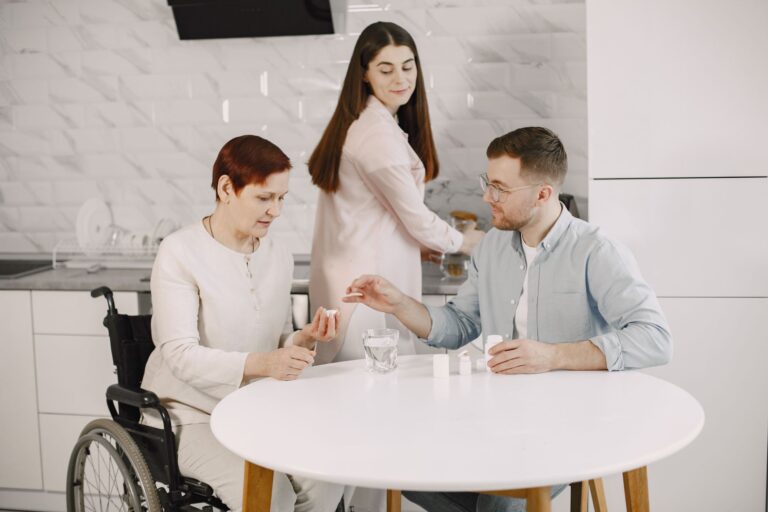
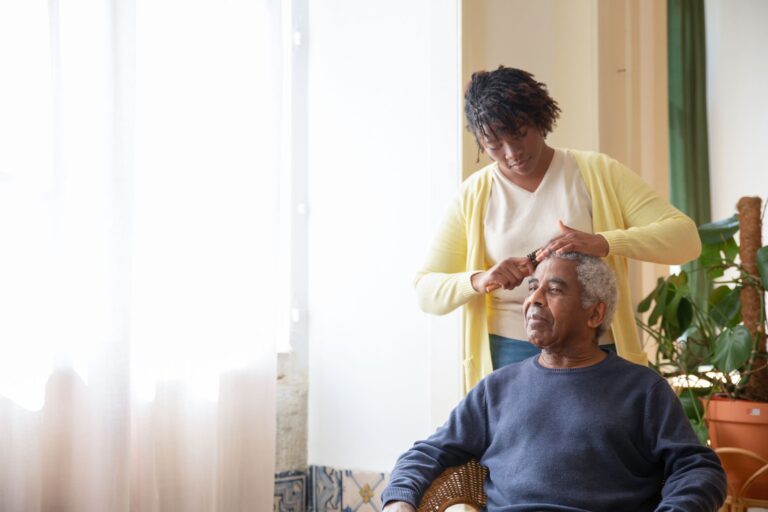
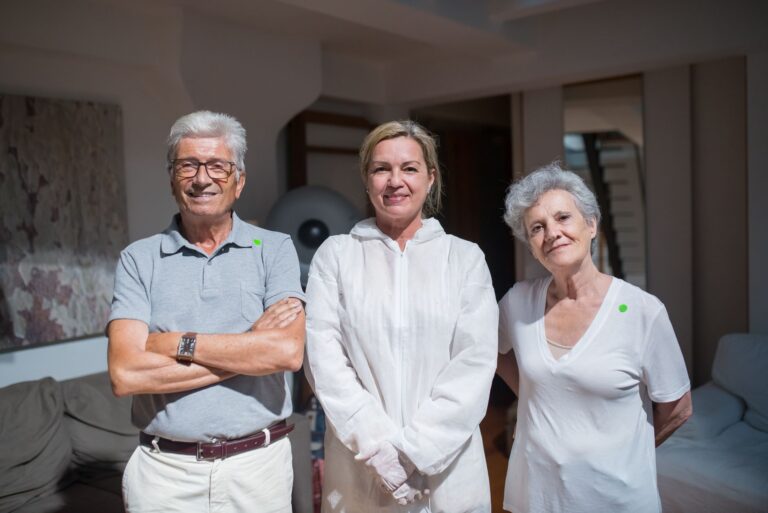
Technology cannot replace caregivers because dementia is fundamentally a disease of cognition, emotion, and human relationship. A person with advancing dementia does not lose just their memory—they lose their ability to interpret the world around them, to feel safe, and to recognize who they are. These losses require the presence of another human being who can adapt, interpret, and respond with judgment that no algorithm can match. When Margaret, a 78-year-old woman with mid-stage Alzheimer’s, woke at 3 a.m. convinced she needed to go to work despite having retired 20 years ago, a monitoring system could alert her daughter to the event, but only her daughter’s voice and physical presence—sitting with her, reminding her gently of the date, making her tea—actually calmed her fear and returned her to reality.
Technology can measure and report symptoms. It cannot meet the psychological and emotional needs that define quality of life for someone with dementia. A wearable device can track steps, sleep, and heart rate. It cannot provide the reassurance of a familiar face, the comfort of a hand held during a procedure, or the judgment to know when confusion requires a doctor’s visit versus when it requires patience and redirection. Caregivers do this every day—they read facial expressions, adjust their approach based on mood, and make thousands of small decisions that keep a person with dementia safe, engaged, and as independent as possible.
Table of Contents
- What Can’t an Algorithm Understand About Dementia Care?
- The Limits of Monitoring When What’s Needed Is Understanding
- When Dementia Behavior Defies Programming
- The Physical Work of Caregiving That Technology Cannot Do
- The Danger of Treating Dementia as a Problem to Be Managed Rather Than a Person to Be Known
- When Technology Becomes a Substitute for Time Rather Than a Tool Within It
- The Irreplaceability of Advocacy and Complex Decision-Making
- Frequently Asked Questions
What Can’t an Algorithm Understand About Dementia Care?
Algorithms work from data points, but dementia care works from interpretation. A person with dementia may say “I’m not hungry” while refusing food, but a trained caregiver knows this may mean the food is too hot, the taste has changed, their mouth is sore, or they’re anxious rather than genuinely without appetite. An app might flag “reduced food intake” and suggest nutritional supplements. A caregiver sits down, tries different foods, asks different questions, notices the person winces when chewing, and discovers a dental problem that was the real issue. Dementia affects each person differently, and that individuality is precisely what technology struggles with. Two people with identical Mini-Cog scores and similar PET scan results may have completely different experiences.
One may respond well to activity and stimulation; another becomes agitated by it. One may want constant company; another needs quiet space. One may find music comforting; another finds it distressing. Caregivers learn these preferences through months or years of relationship and observation. They adjust their approach not based on a population average, but on understanding this specific person’s history, personality, and current state. No pre-programmed system can replicate that depth of individual knowledge.
The Limits of Monitoring When What’s Needed Is Understanding
Monitoring technology creates a false sense that observation equals care. A motion sensor can detect when someone leaves their bed at night. But it cannot know whether they’re looking for the bathroom, searching for a deceased spouse they believe is still alive, responding to a hallucination, or simply restless. The appropriate response in each case is different. A caregiver makes that judgment in seconds based on context, tone of voice, and understanding of what that person experiences.
A family member watching an alert on their phone from across town is informed that something happened—but they are not providing care. This distinction matters because over-reliance on monitoring can create a false economy of care. Facilities or families may believe that more sensors, more data collection, and more alerts mean better care, when in reality a person with dementia often needs less monitoring and more meaningful interaction. They need someone present who can anticipate problems before they happen, can offer distraction and engagement, and can provide the kind of presence that makes them feel less alone. An alert system tells you a problem occurred. A caregiver prevents the problem or manages it with grace and confidence that reassures the person in their care.
When Dementia Behavior Defies Programming
People with dementia often act in ways that seem irrational or dangerous but make sense within their own changed reality. Someone may refuse to bathe because they don’t recognize themselves in the mirror and believe a stranger is being washed. Another may repeatedly ask the same question every five minutes because they genuinely have no memory of asking it before—not out of choice or stubborn repetition, but because the question feels urgent and new every time. A caregiver learns to approach bathing differently with the first person—perhaps dimming mirrors, narrating what’s happening, or offering a shower instead of a bath. With the second person, a caregiver learns not to answer the question once and expect it to stick, but to answer it patiently each time with the same warmth, knowing that frustrated correction will only create distress.
Technology approaches these situations with decision trees: “If behavior X occurs, then response Y.” But dementia rarely follows a linear path. The same behavior may require different responses on different days, depending on the person’s mood, physical health, time of day, or what else is happening in their environment. One morning, gentle redirection works; the next morning, the person needs validation and empathy instead. A caregiver develops an intuition born from presence and relationship. A system cannot.
The Physical Work of Caregiving That Technology Cannot Do
There are tasks in dementia care that require a human body, human strength, and human flexibility. Helping someone bathe, dress, use the toilet, or eat requires physical assistance that even the most advanced robotic systems cannot provide with both safety and dignity. A robot that can lift someone out of bed exists, but it cannot know whether the person is in pain and needs to move more slowly, whether they are frightened and need reassurance, or whether they prefer certain ways of being touched based on their past experience and cultural background. The emotional dimension of physical care is inseparable from the physical work itself.
When a caregiver helps someone bathe, they are also reading how the person is feeling, adjusting water temperature based on feedback, noticing new bruises or skin changes that might indicate a health problem, and maintaining the person’s sense of privacy and dignity throughout a vulnerable process. This is not a series of steps that can be programmed into a machine. It is an art that requires attention, experience, and genuine concern for the person’s wellbeing. Families who have tried to replace some physical care tasks with technology often report that the person actually becomes more anxious or resistant, not less, because the human element is missing.
The Danger of Treating Dementia as a Problem to Be Managed Rather Than a Person to Be Known
Over-reliance on technology can shift the entire frame of dementia care from “How do we help this person live well?” to “How do we prevent problems?” These are not the same question. A person under constant surveillance, monitored by alerts and sensors, may technically be safer—fewer falls missed, fewer medication errors recorded—but they may also be less free, less autonomous, and less engaged. The goal of dementia care should not be to eliminate all risk, but to balance safety with quality of life, independence, and the things that make life meaningful. Technology can also create a false sense that the caregiver’s job is becoming easier or less necessary.
In reality, when a family member or facility staff member trusts a monitoring system to catch problems, they may be present less, interact less, and engage less with the person in their care. This is not because the technology is bad, but because it can substitute for human presence in ways that diminish the person’s experience. A person with advanced dementia may not remember whether their daughter visited, but they remember the feeling of being with someone who cares. No technology can replace that, and when it prevents that connection from happening, it has failed the person it was meant to help.
When Technology Becomes a Substitute for Time Rather Than a Tool Within It
Some families and facilities use technology because they genuinely do not have enough human caregivers available. A motion sensor or a video monitor is not an ideal solution—it is a substitute for not having enough staff or family members present. This is an important distinction. Technology may be necessary when resources are limited, but calling it “care” misrepresents what the person is receiving.
They are receiving supervision, not caregiving. The most effective use of technology in dementia care is when it enhances human presence rather than replacing it. A medication reminder system helps a busy adult child remember to call and remind their parent to take their medications—but the adult child is still the one managing the person’s care, making decisions, and staying involved. A fall-detection device gives a family peace of mind that helps them continue to allow their parent to live at home independently rather than immediately moving them to a facility—but family members are still visiting, still engaged, still providing the bulk of emotional support and decision-making.
The Irreplaceability of Advocacy and Complex Decision-Making
Caregivers are not just present with the person with dementia—they are also advocates, mediators, and decision-makers in a complex medical and social system. When a doctor recommends a medication or procedure, a caregiver must evaluate whether this is truly in the person’s best interest, whether it aligns with the person’s known values and wishes, and whether there are side effects or burdens that outweigh benefits. When someone with dementia is in distress, a caregiver decides whether to seek medical care, try comfort measures first, or recognize that this is a normal part of the disease’s progression that doesn’t require intervention. These decisions require not just medical knowledge but deep understanding of the individual person and their history.
They require the ability to hold conflicting concerns in mind at once—balancing the desire to keep someone safe with the importance of maintaining their autonomy and dignity. They require moral reasoning and judgment that cannot be automated. When a 92-year-old woman with advanced dementia aspirates while eating and develops pneumonia, the question of whether to hospitalize her, give her antibiotics, or support her comfort at home cannot be answered by an algorithm. It must be answered by someone who knows her, who understands what kind of life remains meaningful to her, and who is willing to live with the weight of that decision.
Frequently Asked Questions
Isn’t monitoring technology at least helpful for catching emergencies?
Monitoring can alert you to some emergencies faster, but it cannot replace a caregiver’s ability to prevent emergencies from happening in the first place or to respond appropriately once they occur. A fall detector can alert you that a fall happened, but a caregiver present in the home may prevent the fall by helping with mobility or removing hazards. A video monitor can show you that someone is having difficulty, but it cannot provide comfort or hands-on help.
Can’t technology at least reduce the burden on family caregivers?
Technology can help with specific tasks—reminder systems, scheduling, medication tracking—but it cannot replace the fundamental burden of decision-making and emotional labor that falls on family caregivers. Using technology without addressing the underlying lack of time or support available to caregivers may actually increase burden by creating additional systems to manage.
What about robot companions or AI chatbots for people with dementia?
Some people with dementia may enjoy interaction with a robot or virtual assistant, but these are entertainments or supplements, not substitutes for human relationship. A robot cannot provide the specific comfort that comes from a familiar person, cannot adapt to complex emotional needs, and may create confusion for someone already struggling with what is real. Some evidence suggests that substituting robot interaction for human interaction can actually worsen isolation and decline.
If technology can’t replace caregivers, why develop it at all?
The most useful technology in dementia care is technology that supports caregivers’ work, not technology that tries to replace them. A medication management system helps a caregiver keep track of multiple prescriptions. A telehealth system allows a specialist to consult without requiring the person with dementia to travel to an appointment. A scheduling or communication app helps multiple family members coordinate who is providing care when. These are tools within caregiving, not replacements for it.
What if there simply aren’t enough human caregivers available?
This is the real crisis in dementia care today, but it is a crisis that technology cannot solve. We need more trained dementia caregivers, higher wages, better working conditions, and more support for family caregivers—not more technology. Using technology to avoid addressing this shortage is a way of accepting inadequate care as permanent rather than demanding the resources that would provide better care.