Reviewed by the Help Dementia Editorial Team — our editors review every article for accuracy against guidance from the National Institute on Aging, the Alzheimer’s Association, and peer-reviewed sources.
Yes, brussels sprouts deserve a place at the center of a brain-healthy diet for adults over 60. Recent research from Tufts University in 2025 has revealed why: these small green cruciferous vegetables contain extraordinary amounts of vitamin K, a nutrient that directly supports the structural integrity of brain cells. One cup of cooked brussels sprouts provides approximately 270 micrograms of vitamin K1—more than twice the daily adequate intake—along with sulforaphane compounds that reduce inflammation in the brain and protect memory-forming regions. For someone in their sixties concerned about cognitive decline, brussels sprouts offer one of the most research-backed nutritional interventions available. Consider a typical scenario: a 67-year-old notices occasional memory lapses at work and worries about dementia risk.
Rather than seeking supplements or pharmaceutical interventions first, the evidence now suggests that regular consumption of vitamin K-rich vegetables like brussels sprouts may address one of the underlying mechanisms of age-related cognitive decline. The science isn’t speculative or based on animal studies alone—recent human trials in Japan showed measurable improvements in memory function among seniors taking sulforaphane, the compound found abundantly in brussels sprouts and their cousin, broccoli. What makes brussels sprouts uniquely important is the convergence of multiple protective mechanisms in a single food. The vitamin K supports brain cell structure, the sulforaphane fights inflammation, and the B vitamins help reduce homocysteine—a compound linked to brain atrophy and dementia risk. This isn’t a superfood claim; it’s the result of what neuroscience researchers at major institutions have recently documented.
Table of Contents
- What Makes Brussels Sprouts Specifically Beneficial for Aging Brains?
- The Sulforaphane Advantage—How Brussels Sprouts Fight Brain Inflammation
- Homocysteine Reduction and Cardiovascular Health of the Brain
- Making Brussels Sprouts a Practical Part of Daily Eating Habits
- Why Simple Supplementation Falls Short
- The Broader Context—Why Brain Health Matters More After 60
- The Future of Brain-Food Research and Personalized Nutrition
- Conclusion
What Makes Brussels Sprouts Specifically Beneficial for Aging Brains?
The key to brussels sprouts’ brain protection lies in their nutritional density—and especially their vitamin K content, which has only recently been understood at the cellular level. When the Jean Mayer USDA Human Nutrition Research Center on Aging at Tufts University examined vitamin K’s role in brain health, researchers discovered that this fat-soluble vitamin is essential for forming sphingolipids, specialized fats that make up the protective sheaths around brain cells. Without adequate vitamin K, these structures begin to deteriorate, and the brain becomes more vulnerable to inflammation and degeneration. adults over 60 face a particular challenge: many studies suggest that vitamin K intake declines with age, especially among those who don’t prioritize leafy greens and cruciferous vegetables.
A single serving of brussels sprouts provides a substantial portion of what neuroscience researchers now believe is necessary to maintain healthy brain cell architecture. In comparison, a person eating iceberg lettuce, bread, and chicken would need to consciously add vitamin K-rich foods or risk insufficient intake—a gap that may contribute to cognitive decline over a decade. The 2025 Tufts research showed something striking: insufficient vitamin K consumption correlated with increased inflammation markers and impaired neural cell proliferation specifically in the hippocampus, the brain region central to memory formation and learning. This wasn’t a correlation based on older data—it represents the current understanding of how this nutrient directly affects the aging brain. For anyone over 60, this research suggests that vitamin K status may be as important as cholesterol levels or blood pressure.
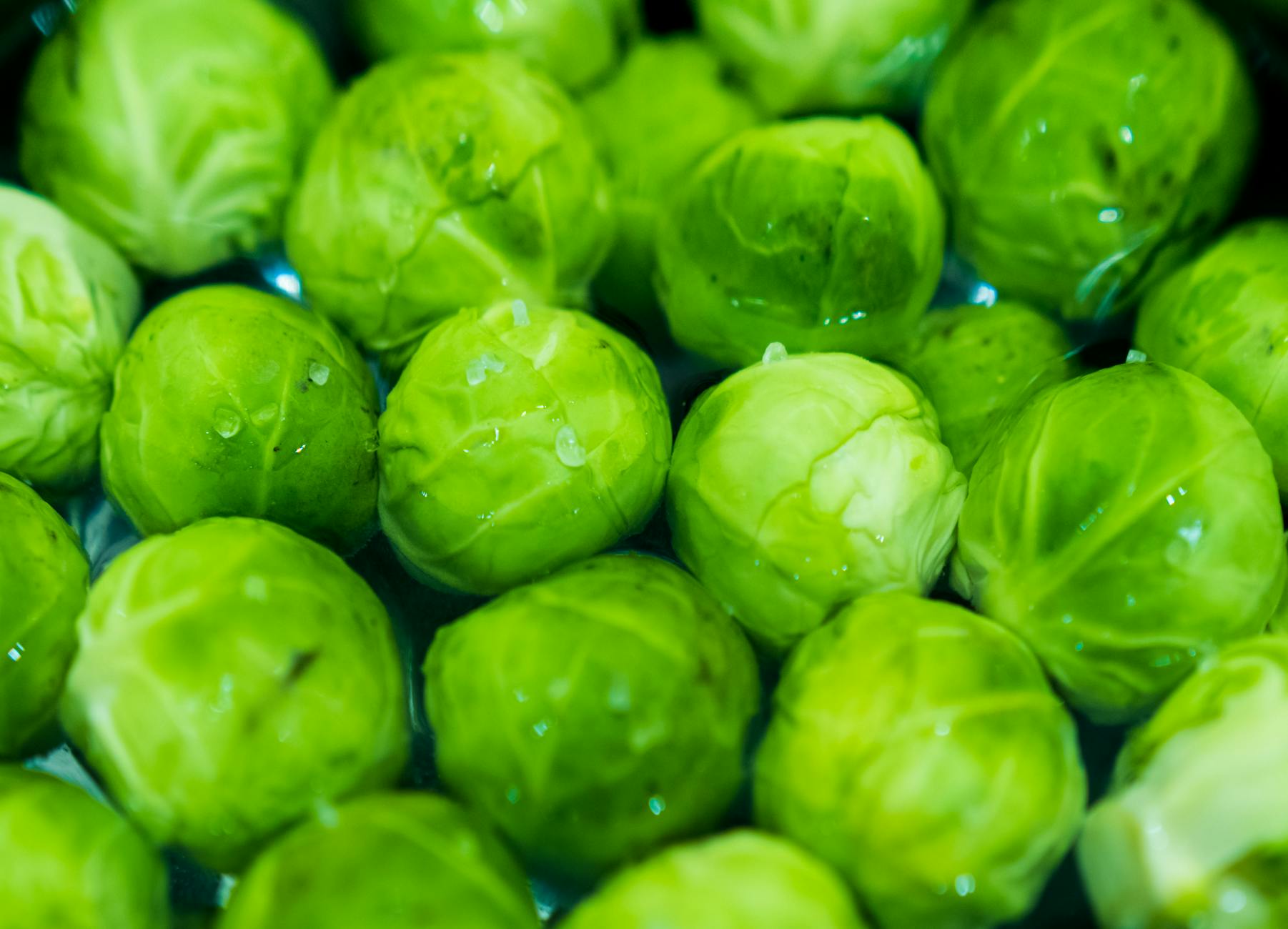
The Sulforaphane Advantage—How Brussels Sprouts Fight Brain Inflammation
Beyond vitamin K, brussels sprouts contain sulforaphane, a compound that activates the body’s own antioxidant and anti-inflammatory defenses. When activated, sulforaphane triggers cellular repair mechanisms that prevent the buildup of damaged proteins—a hallmark of neurodegeneration. Think of it as recruiting the brain’s maintenance crew to clean up damage before it accumulates into cognitive problems. A 42-month pilot study conducted in Japan provides concrete evidence of sulforaphane’s effect on older adults. Seniors with documented memory impairment who took glucoraphanin (a precursor to sulforaphane) daily showed significantly greater improvement than those receiving a placebo. The treatment group’s memory performance index improved from 53.8 to 66.0, while the placebo group improved only from 49.3 to 54.7.
These are modest gains, not miracle cures—but they represent the kind of real-world improvement that matters for quality of life. A person whose memory score improves by 12 points might regain the ability to remember grandchildren’s names or keep track of daily medications more reliably. One important limitation bears mentioning: the study was relatively small and conducted in Japan, where dietary patterns differ significantly from those in the United States. Additionally, the improvement occurred over more than three years, suggesting that sulforaphane’s benefits accumulate gradually rather than providing immediate relief. Someone hoping for quick results from eating brussels sprouts will be disappointed. The protection these vegetables offer is genuinely protective—preventing decline—rather than restorative. For someone at risk of cognitive decline, that prevention may ultimately matter more, but it requires years of consistent consumption to realize the full benefit.
Homocysteine Reduction and Cardiovascular Health of the Brain
Brussels sprouts and other cruciferous vegetables are rich in B vitamins and carotenoids, nutrients that work together to lower homocysteine—an amino acid that, at elevated levels, is linked to brain atrophy, cognitive decline, and dementia risk. Many people focus on cholesterol and blood pressure for brain health, overlooking this less-publicized but equally important marker. high homocysteine levels damage blood vessel walls and increase inflammation throughout the body, including in the brain. By providing the B vitamins necessary for homocysteine metabolism, brussels sprouts help maintain healthy blood flow to the brain—the foundational requirement for all cognitive function.
An adult over 60 with elevated homocysteine but otherwise “normal” cholesterol and blood pressure may still be at significant risk for cognitive decline. Regular consumption of brussels sprouts addresses this often-overlooked risk factor. The connection between homocysteine and brain health has been studied for more than two decades, making this one of the most established protective mechanisms of cruciferous vegetables. For someone with a family history of dementia, homocysteine reduction through diet offers a measurable intervention point that complements medical management and other lifestyle changes.

Making Brussels Sprouts a Practical Part of Daily Eating Habits
The challenge with brussels sprouts isn’t that they’re ineffective—it’s that most people don’t eat enough of them. A therapeutic dose for brain health appears to be at least one cup of cooked brussels sprouts several times per week, based on the vitamin K content needed to support the protective mechanisms described in recent research. This is achievable but requires intentional meal planning. Roasting brussels sprouts in olive oil until crispy makes them palatable to most people and preserves their nutrient content. Alternatively, they can be steamed, sautéed with garlic, or added to soups.
The cooking method matters less than consistency—eating a large amount of brussels sprouts once per month provides less benefit than a smaller, regular intake. For someone already eating broccoli or kale regularly, adding brussels sprouts creates a diverse intake of protective compounds. For someone eating few cruciferous vegetables currently, starting with one or two roasted brussels sprouts per week and gradually increasing is more sustainable than abruptly changing to a vegetable-heavy diet. One practical tradeoff: brussels sprouts are more expensive than some alternatives like frozen broccoli and contain compounds that interact with warfarin (a blood thinner used by some older adults). Anyone taking warfarin should eat brussels sprouts consistently rather than sporadically, since the vitamin K content affects medication efficacy. Discussing vegetable intake with a healthcare provider is wise for anyone on anticoagulants.
Why Simple Supplementation Falls Short
Some people, hearing about vitamin K’s importance, consider taking a supplement instead of eating brussels sprouts regularly. This approach misses the broader picture. Vitamin K supplements provide isolated nutrient, while brussels sprouts deliver the compound alongside sulforaphane, B vitamins, carotenoids, fiber, and other plant compounds that work synergistically. The 2025 Tufts research examined vitamin K’s effects in the context of the whole diet, not as an isolated intervention. Additionally, supplementation carries a warning for older adults.
Excess supplemental vitamin K can increase clotting risk and interact with medications. Food-based vitamin K from vegetables is self-limiting—you cannot eat excessive amounts of brussels sprouts easily, whereas a person could take too many vitamin K supplements. For brain health protection, food sources provide both the nutrient and the safety profile that supplements cannot match. The Japanese study used glucoraphanin supplementation and showed results, which might suggest that supplements work. However, that study specifically tested a compound not readily available in supplement form in most countries, and it was conducted in controlled research conditions. The broader evidence suggests that eating whole brussels sprouts and other cruciferous vegetables provides superior protection compared to isolated compound supplementation.

The Broader Context—Why Brain Health Matters More After 60
By age 60, cognitive reserve—the brain’s ability to compensate for damage—begins to decline. Small protective interventions become more impactful. A person at 30 might withstand dietary neglect for years with minimal cognitive consequences; a person at 70 cannot. This is not pessimism but neurobiology.
The 2025 Tufts research emphasized that vitamin K’s role in maintaining brain cell structure becomes increasingly critical in older age. For someone with no current cognitive concerns, eating brussels sprouts serves as genuine prevention. For someone with mild memory loss or a family history of dementia, these vegetables represent one of the evidence-based dietary interventions available. Combined with sleep, cognitive engagement, cardiovascular fitness, and social connection, brussels sprouts contribute to a comprehensive approach to brain aging.
The Future of Brain-Food Research and Personalized Nutrition
The research on brussels sprouts and brain health continues to evolve. Scientists are now investigating whether individual genetic variations affect how efficiently people metabolize sulforaphane and vitamin K, which might eventually enable personalized recommendations—some people might benefit more from brussels sprouts than others based on their metabolism. This frontier of nutritional genomics may refine current recommendations over the next decade.
What’s clear now is that brussels sprouts belong in evidence-based brain health discussions alongside cardiovascular exercise and cognitive training. Unlike trendy superfoods or expensive interventions, these vegetables are affordable, accessible, and supported by rigorous recent research. For adults over 60, this represents a rare case where powerful brain protection comes from something as simple and ordinary as what’s already available in the grocery store.
Conclusion
Brussels sprouts have earned their place as a cornerstone brain food for adults over 60 through recent, high-quality research demonstrating their effects on cell structure, inflammation, and cognitive function. The vitamin K they provide supports brain cell integrity, the sulforaphane they contain fights neurodegeneration, and the B vitamins help maintain healthy homocysteine levels. These protective mechanisms work together to address multiple pathways of cognitive decline simultaneously—something few single interventions can claim.
Practically speaking, making brussels sprouts a regular part of weekly eating habits requires no special knowledge, no supplements, and no expense beyond what’s reasonable for a nutritious vegetable. For someone concerned about maintaining mental sharpness and preventing dementia as they age, consistent consumption of brussels sprouts represents one of the evidence-backed dietary changes that actually works. The research is recent, the mechanisms are clear, and the food is real.