Reviewed by the Help Dementia Editorial Team — our editors review every article for accuracy against guidance from the National Institute on Aging, the Alzheimer’s Association, and peer-reviewed sources.
Most important sits at the center of this dementia and brain health question.
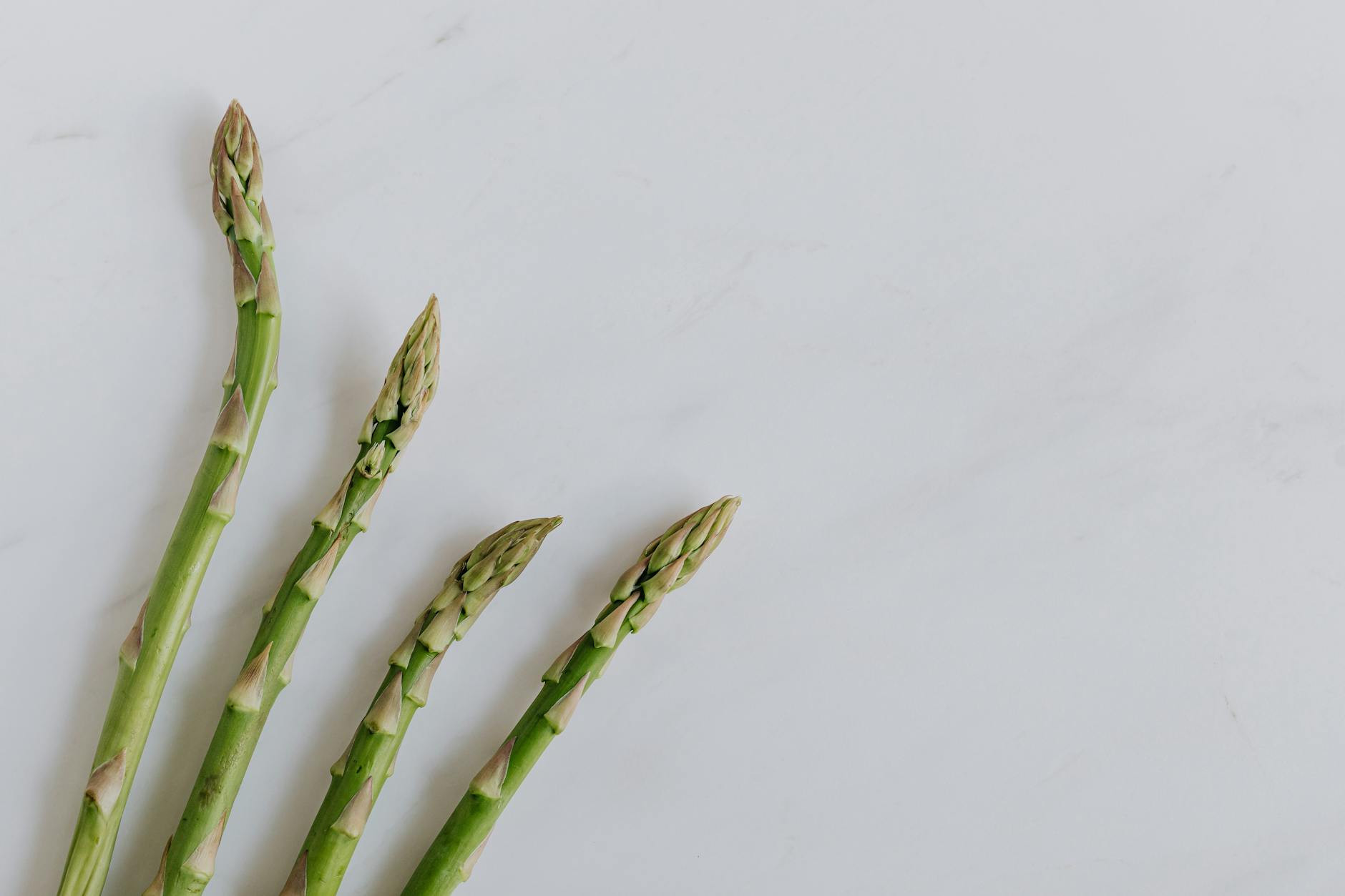
Asparagus deserves serious consideration as one of the most important vegetables for protecting your brain after 65. This unassuming green vegetable contains substantial amounts of folate—a B vitamin that directly reduces homocysteine, an amino acid whose elevated levels are a known, modifiable risk factor for cognitive decline, brain atrophy, and Alzheimer’s disease. A single half-cup serving provides about 34% of your recommended daily folate intake, which makes it one of the most nutrient-dense sources of this critical brain-protective compound. Consider Margaret, a 68-year-old who noticed her memory slipping slightly during her morning coffee routine. When her neurologist reviewed her blood work, she found elevated homocysteine levels—something that doesn’t show up in a typical physical but has serious implications for brain aging.
Increasing her asparagus intake to twice weekly, along with other folate-rich foods, brought her homocysteine back into a healthier range within three months. Beyond folate, asparagus provides glutathione, a powerful antioxidant that research shows is depleted in the brains of Alzheimer’s disease patients compared to healthy brains. The vegetable also delivers additional antioxidants including quercetin (a flavonoid), vitamin C, vitamin E, and polyphenols that work together to neutralize free radicals—the cellular damage that accelerates brain aging. While asparagus alone is not a cure or guarantee against cognitive decline, the combination of these protective compounds makes it a legitimate cornerstone of brain-healthy nutrition for older adults. The research supporting its benefits has grown substantially in recent years, which is why it’s worth understanding how this simple vegetable fits into your long-term brain health strategy.
Table of Contents
- How Does Asparagus Lower Your Cognitive Decline Risk Through Folate?
- What Does the Latest Research Show About B-Vitamins and Brain Atrophy?
- Understanding Glutathione and Antioxidant Protection in Asparagus
- The Best Ways to Prepare Asparagus to Preserve Its Brain-Protective Compounds
- Why Supplementing Folate Alone Isn’t the Same as Eating Asparagus
- Comparing Asparagus to Other Brain-Protective Vegetables for Older Adults
- The Bigger Picture—Asparagus Within a Comprehensive Brain-Health Strategy
- Conclusion
How Does Asparagus Lower Your Cognitive Decline Risk Through Folate?
Folate works in your body by breaking down homocysteine, an amino acid that accumulates when folate levels are insufficient. When homocysteine builds up in your bloodstream, it becomes increasingly associated with cognitive problems. Research from the NIH and various studies shows that elevated plasma homocysteine is a modifiable risk factor for cognitive decline, brain atrophy, and Alzheimer’s disease. What makes this particularly relevant to adults over 65 is that homocysteine is something you can actually control through diet—it’s not a fixed genetic marker like APOE4 status. A 2024 study published in September examined folate and stroke outcomes, finding that patients with high folate levels faced significantly lower risks of death and major disability from ischemic stroke, with homocysteine partially mediating these protective effects.
This means folate works partly by lowering homocysteine, and partly through other protective mechanisms we’re still discovering. For someone over 65, this is significant because cognitive function and stroke risk are interconnected. A stroke can trigger rapid cognitive decline or accelerate existing mild memory problems into more serious impairment. By maintaining adequate folate through asparagus and similar foods, you’re addressing one of the few dietary factors that directly impacts this blood chemistry. Many older adults don’t eat enough folate-rich vegetables—they gravitate toward softer, less nutrient-dense foods—so asparagus’s availability and ease of preparation make it a practical solution. The amount required isn’t extraordinary: two to three half-cup servings per week can meaningfully contribute to recommended folate intake, though whole-food folate is always better absorbed than supplements.
What Does the Latest Research Show About B-Vitamins and Brain Atrophy?
Recent clinical trials have shifted focus from single-nutrient supplements to the synergistic effect of B-vitamins together. A June 2024 trial published in Scientific Reports tracked subjects with mild cognitive impairment who received daily B-vitamin administration: 20 mg of B6, 800 mcg of folic acid, and 500 mcg of B12. Over the study period, these individuals showed significantly slowed brain atrophy rates compared to placebo—a notable result because brain volume loss is one of the most measurable markers of cognitive decline. The study also confirmed that this vitamin combination lowered homocysteine levels, suggesting the benefits come partly from that mechanism but also from broader neuroprotective effects. This is where the caveat becomes important: these results came from supplemental B-vitamins in a controlled trial, not simply from eating asparagus.
Here’s the critical limitation you need to understand: clinical trials have not yet proven that folic acid supplementation alone prevents dementia development or improves cognitive function, even when it successfully lowers homocysteine. Harvard T.H. Chan School of Public Health has carefully reviewed the evidence and concludes that while folate is important and deficiency is harmful, the leap from “low folate is bad” to “high folate prevents dementia” remains unproven. This doesn’t mean asparagus is useless—it means that no single food, vegetable, or supplement is a silver bullet. The 2024 brain atrophy study used a combination of three B-vitamins, not folate alone, which suggests that comprehensive nutritional support matters more than any single nutrient. For older adults considering whether to change their diet around asparagus, the realistic expectation is that it’s one important piece of a broader brain-health strategy, not a standalone solution.
Understanding Glutathione and Antioxidant Protection in Asparagus
Glutathione is an antioxidant compound that exists naturally in asparagus and several other vegetables. It’s thought to slow the aging process in cells throughout your body, including your brain cells. Research comparing brain tissue from Alzheimer’s disease patients to cognitively normal older adults found that glutathione levels are notably depleted in the diseased brains. While this doesn’t prove that low glutathione causes Alzheimer’s, it does suggest that maintaining adequate glutathione may be part of the protective process. Because your body can produce some glutathione on its own (though production declines with age), eating foods that contain it or support its synthesis becomes increasingly important after 65. Asparagus is one of the few common vegetables with significant glutathione content, making it a practical dietary choice for maintaining this antioxidant.
Alongside glutathione, asparagus delivers a constellation of other antioxidant compounds: quercetin (a flavonoid), vitamin C, vitamin E, and various polyphenols. These work through overlapping mechanisms to neutralize free radicals—unstable molecules that damage cell membranes and DNA in your brain. Think of them as a multi-layered defense system: if one antioxidant pathway is overwhelmed, others step in. A person eating asparagus twice weekly along with other colorful vegetables (berries, dark leafy greens, bell peppers) is providing their brain with a more robust antioxidant defense than someone eating any single vegetable exclusively. It’s the cumulative effect that matters. Someone with early signs of memory loss who starts eating more asparagus but continues a diet heavy in processed foods and refined sugars won’t see the full benefit—these antioxidants need to be part of an overall dietary pattern, not an isolated addition.
The Best Ways to Prepare Asparagus to Preserve Its Brain-Protective Compounds
How you cook asparagus matters significantly for preserving its nutrient content. Research shows that certain cooking methods can degrade the antioxidants and B-vitamins you’re trying to protect. Boiling asparagus for extended periods (more than five minutes) can leach folate and water-soluble vitamins into the cooking water, reducing what actually ends up in your body. Steaming for 3-4 minutes or lightly sautéing in olive oil preserves nutrients far more effectively than boiling. If you do boil asparagus, you could potentially consume the cooking water in a soup or stock to retain some of those lost vitamins, but steaming is the simpler approach. Raw asparagus retains maximum nutrients but is difficult for many older adults to chew; a light steam or quick sauté gets you most of the nutritional benefit without the texture problem.
Practically speaking, this means preparing asparagus as a simple side dish—steamed or quickly roasted with a drizzle of olive oil, garlic, and salt—works better for your brain than adding it to heavily processed meals or cooking it until it’s soft. Someone who loves asparagus soup made with cream and broth will still receive some nutrients, though less folate and antioxidant content than from lightly cooked spears. The tradeoff is between perfect nutrient preservation and eating a preparation method you’ll actually enjoy consistently. A person who steams asparagus twice weekly but finds it boring and stops eating it has chosen a worse path for their brain than someone who eats asparagus soup twice weekly and maintains the habit long-term. Consistency over perfection tends to matter more than absolute nutrient optimization. For older adults with swallowing difficulties, pureed asparagus soup is still nutritionally relevant and far better than avoiding the vegetable entirely.
Why Supplementing Folate Alone Isn’t the Same as Eating Asparagus
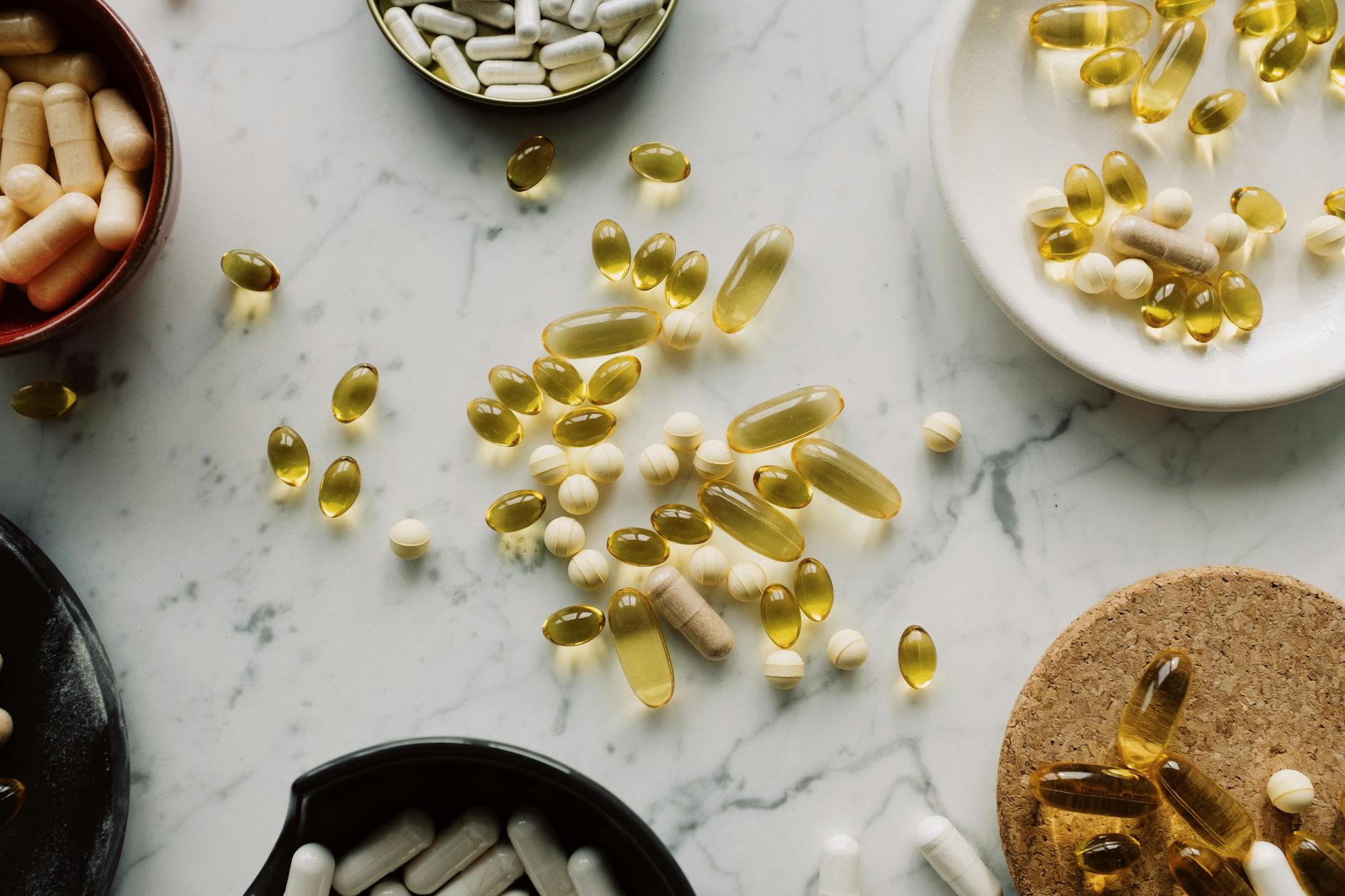
Many older adults take folic acid supplements or high-dose B-complex vitamins thinking they’re covering their brain-health bases. This approach misses an important distinction: whole foods like asparagus contain folate alongside dozens of other compounds—glutathione, antioxidants, fiber, minerals—that work synergistically. A supplement gives you one isolated nutrient. Additionally, people vary significantly in how they metabolize folic acid versus the natural folate found in food. Some genetic variations affect the enzyme MTHFR, which converts folic acid (synthetic) into usable forms. While not everyone needs to worry about this, it’s one reason why food sources tend to work better than supplements for many people.
Someone taking a high-dose folic acid supplement might actually have adequate homocysteine levels on paper, but still lack the broader spectrum of protective compounds that whole foods provide. There’s also a warning that applies to supplement use: excessive intake of synthetic folic acid (beyond normal supplementation ranges) has raised some concerns in research about potential adverse effects, though evidence remains mixed. This is another reason to focus on getting folate from asparagus and similar foods rather than chasing high-dose supplementation. An older adult who eats adequate asparagus, leafy greens, and legumes probably doesn’t need to supplement folate at all—they’re getting it in a balanced form alongside complementary nutrients. If your doctor has specifically identified low B12 or folate levels through blood work, supplementation is appropriate and important. But taking preventive supplements in hopes of avoiding cognitive decline, without evidence of deficiency, doesn’t provide the same protective effect as maintaining good nutritional intake through a varied diet.

Comparing Asparagus to Other Brain-Protective Vegetables for Older Adults
While asparagus is valuable, it’s worth understanding how it compares to other vegetables often recommended for brain health. Leafy greens like spinach and kale contain similar amounts of folate and add additional compounds like lutein and zeaxanthin (protective for both brain and eye health). Brussels sprouts and broccoli offer even more folate per serving plus sulforaphane, a compound with some neuroprotective properties in research. Asparagus’s particular advantage is that it’s often more palatable and easier to prepare for people with texture sensitivities, and it’s available year-round in most markets at reasonable cost. For someone who dislikes leafy greens or has difficulty with the chewing and swallowing required for raw vegetables, asparagus becomes a more practical option.
A realistic approach involves eating asparagus as part of a rotating group of brain-healthy vegetables rather than as a singular focus. An older adult might eat asparagus twice weekly, rotate kale or spinach salads twice weekly, include Brussels sprouts once weekly, and add other colorful vegetables throughout their diet. This diversity ensures you’re getting the full spectrum of protective compounds and isn’t boring to maintain. Someone who gets tired of asparagus after a month and stops eating it has lost a good option; better to eat three different folate-rich vegetables consistently than to burn out on one. The “best” vegetable for your brain is ultimately the one you’ll actually eat regularly over years and decades, which is why having options matters more than perfection.
The Bigger Picture—Asparagus Within a Comprehensive Brain-Health Strategy
No single vegetable, supplement, or lifestyle change prevents or cures cognitive decline. Asparagus works best as part of a broader approach that includes adequate sleep, cognitive engagement, social connection, physical exercise, and overall dietary quality. Research consistently shows that people who combine multiple brain-protective factors—good nutrition, physical activity, cognitive challenge, strong social ties—have significantly better cognitive outcomes in older age than those relying on any single intervention. Asparagus contributes meaningfully to the nutritional component of this picture, but it can’t replace exercise, sleep, or mental stimulation.
Looking forward, researchers continue investigating the specific mechanisms by which nutrients like folate protect brain structure and function. Future trials may clarify whether specific combinations of B-vitamins, taken at particular doses and durations, can prevent cognitive decline or slow progression in early stages. Until then, the evidence supports a straightforward conclusion: maintaining adequate folate intake through foods like asparagus is a simple, evidence-based action that addresses one of the few modifiable risk factors for cognitive decline. It’s not a cure, but it’s a practical step that takes minimal effort and aligns with broader healthy-aging principles. For adults over 65 concerned about their cognitive future, asparagus represents accessible preventive nutrition in its most practical form.
Conclusion
Asparagus merits serious consideration as an important brain food for adults over 65, primarily because of its folate content and the established link between adequate folate, lower homocysteine levels, and reduced risk of cognitive decline and brain atrophy. The vegetable provides additional protective compounds—glutathione and various antioxidants—that work synergistically to support brain health. Recent research, including a 2024 study showing slowed brain atrophy with B-vitamin supplementation and stroke studies demonstrating folate’s protective effects, strengthens the case for maintaining adequate intake. However, the critical limitation remains: no single food prevents dementia, and clinical trials have not yet proven that folate alone improves cognitive function, even while supporting the blood chemistry changes that appear protective.
For practical implementation, aim to include asparagus in your regular diet two to three times weekly, prepared by steaming or light sautéing to preserve nutrients. Combine it with other folate-rich vegetables, whole grains, and legumes as part of a comprehensive approach to brain health that includes exercise, sleep, cognitive engagement, and social connection. If you have family history of dementia or early cognitive concerns, discuss your folate and homocysteine levels with your doctor—this one blood test can reveal whether dietary change alone is sufficient or whether supplementation might benefit your specific situation. Asparagus is neither a miracle nor a replacement for other healthy-aging practices, but it’s a simple, affordable, accessible step that aligns with current evidence about how to protect your brain during the years that matter most.
You Might Also Like
- Why wild blueberries Could Be the Most Important Brain Food for Adults Over 50
- Why walnuts Could Be the Most Important Brain Food for Adults Over 70
- Why turmeric Could Be the Most Important Brain Food for Adults Over 65
For more, see CDC — Alzheimer’s and Dementia.