Reviewed by the Help Dementia Editorial Team — our editors review every article for accuracy against guidance from the National Institute on Aging, the Alzheimer’s Association, and peer-reviewed sources.
Swiss chard could be one of the most important brain foods you’re not eating regularly. Research from Rush University Medical Center found that adults consuming approximately 1-1.3 servings of leafy greens per day—including swiss chard—showed cognitive function equivalent to people 11 years younger than those who ate the least. This wasn’t a small study: researchers tracked 960 participants ages 58-99 over a mean 4.7-year period, making this one of the most compelling pieces of evidence linking diet directly to brain aging. For adults over 55, this finding matters because cognitive decline accelerates with age.
The difference between eating leafy greens regularly and eating them rarely equates to the brain health of someone more than a decade younger. That’s not a marginal benefit—that’s a fundamental shift in how you can approach brain health through diet. What makes swiss chard stand out among leafy greens is its nutrient density. A single serving delivers folate, vitamin K, lutein, nitrate, alpha-tocopherol, and kaempferol—each of these compounds has been independently linked to slower cognitive decline. This combination of protective nutrients working together is what positions swiss chard as a potentially transformative food for brain health in your later years.
Table of Contents
- How Swiss Chard Slows Brain Aging in Adults Over 55
- The Antioxidant Power That Protects Brain Cells from Damage
- The Eye-Brain Connection and Vision Protection in Aging
- Practical Ways to Incorporate Swiss Chard Into Daily Eating
- When Swiss Chard Alone Isn’t Enough
- Storage and Freshness: Preserving Nutritional Value
- The Future of Brain Health Through Food Science
- Conclusion
How Swiss Chard Slows Brain Aging in Adults Over 55
The mechanisms behind swiss chard’s brain-protective effects are well-documented in neurology research. When researchers examined postmortem brains of elderly people, they found that adequate vitamin K concentrations in the brain correlated directly with better cognitive function. Those with higher brain-level vitamin K showed lower odds of developing dementia or mild cognitive impairment. This suggests the nutrient isn’t just circulating in your bloodstream—it’s actually accumulating in brain tissue where it matters most. Swiss chard is also one of the best dietary sources of nitrates, compounds that your body converts to nitric oxide. This molecule relaxes blood vessels and improves blood flow to the brain. Think of it like clearing traffic on the highways that supply your brain with oxygen and nutrients.
The better the blood flow, the better your brain can function. This mechanism explains why the mind diet—the Mediterranean-DASH Intervention for Neurodegenerative Delay—specifically recommends leafy greens including swiss chard as a foundational food. In the Rush Memory and Aging Project, leafy greens showed the single strongest association with slower cognitive decline among all dietary components studied. One important limitation to understand: a few servings of swiss chard won’t reverse existing cognitive decline. The research shows prevention and slowing of decline, not reversal. This means starting early—ideally before cognitive problems appear—offers the greatest benefit. If you’re already experiencing memory problems, swiss chard should be part of a broader approach that includes medical evaluation, cognitive stimulation, and other lifestyle factors.
The Antioxidant Power That Protects Brain Cells from Damage
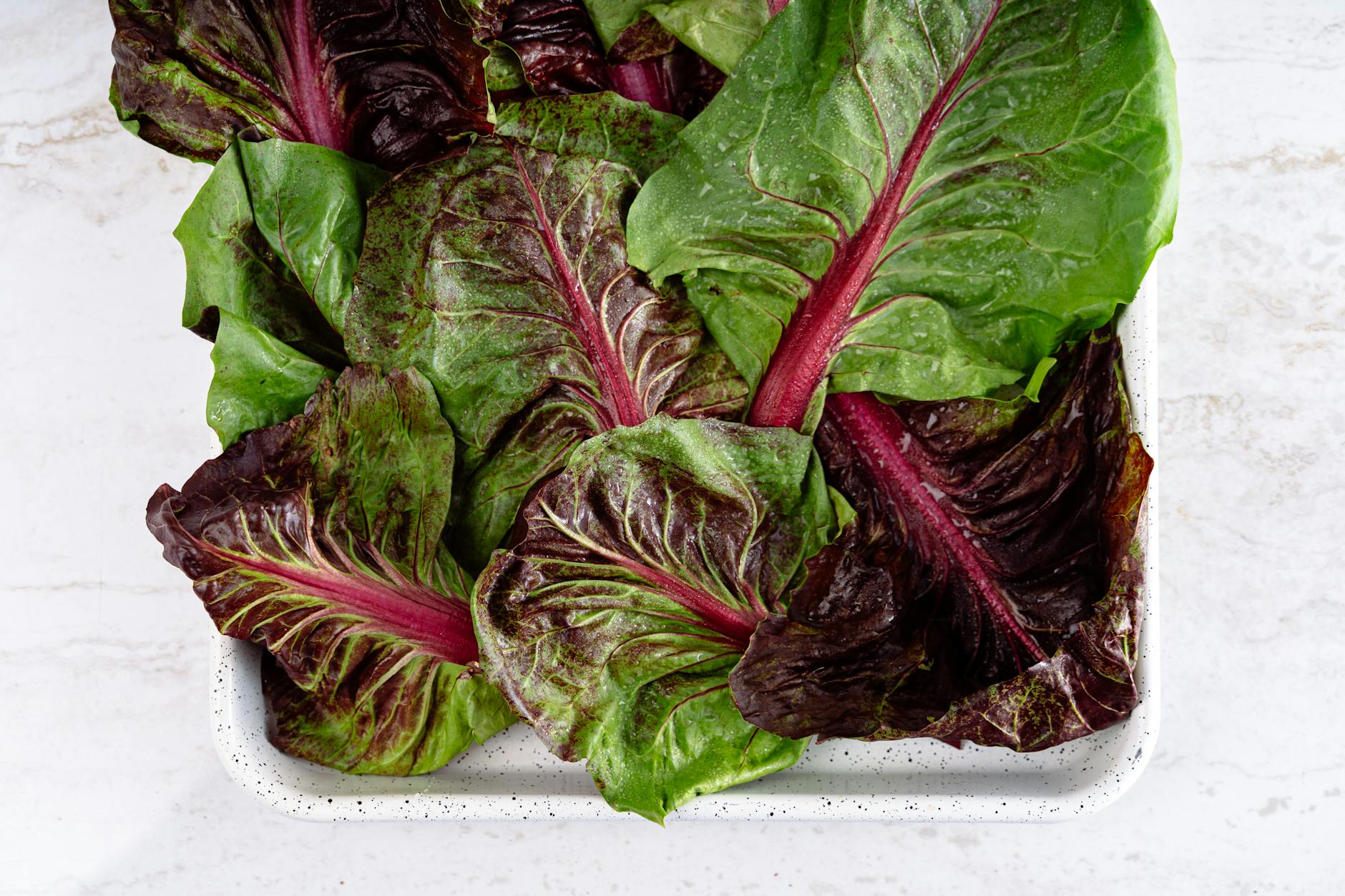
Swiss chard contains betalains and other powerful antioxidants that work at the cellular level to defend brain cells from mutation and DNA damage. Free radicals—unstable molecules created during normal metabolism—accumulate in the brain with age and contribute to neurodegenerative diseases. The antioxidants in swiss chard neutralize these free radicals before they can cause damage. This is particularly important for Alzheimer’s and Parkinson’s disease prevention, where oxidative stress plays a central role in disease development. The advantage of getting antioxidants from swiss chard rather than supplements is bioavailability—your body absorbs and uses nutrients from whole foods more effectively than from isolated supplements.
When you eat swiss chard, you’re not getting a single antioxidant; you’re getting a complex of compounds that work synergistically. This combination effect is difficult to replicate in supplement form and is one reason why whole-food approaches consistently outperform supplementation in long-term studies of cognitive health. A critical caveat: if you take blood thinners like warfarin, you need to monitor your vitamin K intake consistently. Swiss chard is high in vitamin K, which can interact with anticoagulants. This doesn’t mean you should avoid swiss chard—it means discussing consistent intake with your doctor. Stopping and starting leafy greens creates more problems than eating them regularly and letting your medication be adjusted accordingly.
The Eye-Brain Connection and Vision Protection in Aging
Swiss chard contains lutein and zeaxanthin, carotenoids that have been extensively studied for eye health. While many people focus on brain protection from swiss chard, vision protection deserves equal attention for older adults. Age-related macular degeneration is the leading cause of vision loss in adults over 55, and these compounds help prevent it. The connection between vision and brain health is tighter than many realize—vision loss accelerates cognitive decline because it reduces sensory input and limits social engagement.
Consider this real-world example: an 68-year-old woman who consistently consumed leafy greens and maintained good vision could stay more socially engaged, read more easily, drive safely for longer, and maintain cognitive stimulation through these activities. The same woman without good vision might become isolated, dependent on others, and experience accelerated cognitive decline. The protective effect of swiss chard’s lutein extends beyond the eyes to the overall trajectory of brain health through this chain of consequences. Lutein levels in the eyes and brain are surprisingly similar—the same nutrient that protects your macula protects your brain tissue. This unified protective effect makes leafy greens like swiss chard a comprehensive brain and sensory health intervention, addressing multiple pathways to cognitive decline simultaneously.

Practical Ways to Incorporate Swiss Chard Into Daily Eating
The challenge for most adults isn’t understanding that swiss chard is healthy—it’s actually eating it regularly. The research from Rush required about 1-1.3 servings daily to achieve the 11-year cognitive benefit. A serving is roughly one cup of cooked swiss chard or two cups raw. For many people, this means finding ways to make swiss chard part of normal meals rather than treating it as a special health food. One practical approach is adding chopped swiss chard to soups, stews, and pasta dishes where it becomes invisible but contributes its full nutrient profile. This works better than salads for people who find raw greens monotonous.
Another method is sautéing with olive oil and garlic as a side dish—the mild flavor of cooked swiss chard accepts seasonings well, and you can prepare larger quantities for the week. Some people blend it into smoothies with fruit, though this delivers less of the satisfying food experience that encourages long-term adherence. The tradeoff is between palatability and consistency. Forcing yourself to eat swiss chard in a way that feels like punishment leads to dropout. Finding a preparation you actually enjoy—even if it’s not the most “nutritionally optimal” method—ensures you’ll actually eat it day after day. The cognitive benefit comes from consistent consumption over years, not from perfect preparation.
When Swiss Chard Alone Isn’t Enough
While swiss chard is a powerful cognitive protector, it functions best as part of a broader dietary and lifestyle pattern. The MIND diet that features swiss chard also includes other brain-protective foods: berries, nuts, whole grains, fish, poultry, beans, and olive oil. Additionally, other leafy greens like kale and spinach provide similar benefits to swiss chard. Relying solely on swiss chard while neglecting these other components limits the cognitive benefit you’ll receive. A warning that deserves emphasis: dietary changes work best when combined with cognitive engagement, physical activity, sleep quality, and social connection.
Adults who eat swiss chard regularly but remain sedentary, socially isolated, and cognitively unstimulated won’t experience the full protective benefit. Brain health is multifactorial, and nutrition is just one lever among several. If you’re making dietary changes to protect your brain, you should simultaneously examine exercise habits, social engagement, and mental stimulation. For people with existing digestive issues, the high fiber content in swiss chard can cause bloating or gas initially. Starting with smaller amounts and gradually increasing intake allows your digestive system to adapt. Cooking the greens (rather than eating them raw) also makes them easier to digest for many people with compromised gut function.

Storage and Freshness: Preserving Nutritional Value
Fresh swiss chard loses nutrient density quickly after harvest. Ideally, you want to consume it within a few days of purchase. Store it in the vegetable drawer of your refrigerator in a plastic bag to maintain humidity.
If you can’t use fresh swiss chard quickly, frozen swiss chard—often blanched and frozen immediately after harvest—retains more nutrients than fresh greens that have sat in your refrigerator for a week. Buying from farmers markets or farm-to-table services when possible means fresher greens with higher nutrient content. This small step can meaningfully increase the cognitive benefit compared to supermarket greens that may have been in transit and storage for days before reaching your kitchen.
The Future of Brain Health Through Food Science
Ongoing research continues to identify specific compounds in foods like swiss chard that protect against cognitive decline. As our understanding deepens, dietary recommendations for older adults will likely become more targeted—not just “eat your greens” but “eat this type of green with this frequency to address your specific genetic risk factors.” Personalized nutrition based on biomarkers and genetics is emerging as a frontier in dementia prevention.
For now, the evidence supporting swiss chard and leafy greens is robust and consistent across multiple large studies. The window for prevention is meaningful—the cognitive benefit of eating leafy greens appears strongest for people in their 50s and 60s, before cognitive decline has begun. This makes your 50s and 60s a critical period for establishing eating patterns that will protect your brain into your 70s, 80s, and beyond.
Conclusion
Swiss chard stands out as one of the most important brain foods for adults over 55 because of its unique combination of neuroprotective nutrients and the strength of evidence supporting its cognitive benefits. The 11-year cognitive age advantage observed in those who consume leafy greens regularly represents not just a dietary recommendation but a meaningful opportunity to preserve the mental sharpness, independence, and quality of life that matter most in your later years. Start by adding one serving of swiss chard to your daily diet.
Try it in soups, sautéed with garlic, or blended into dishes where you’ll actually eat it consistently. Pair it with other brain-protective foods, maintain physical activity and social engagement, and monitor your progress with your healthcare provider. The evidence is clear: what you eat in your 50s and 60s shapes your brain health in your 70s, 80s, and beyond. Swiss chard is one of the most powerful tools available to you.