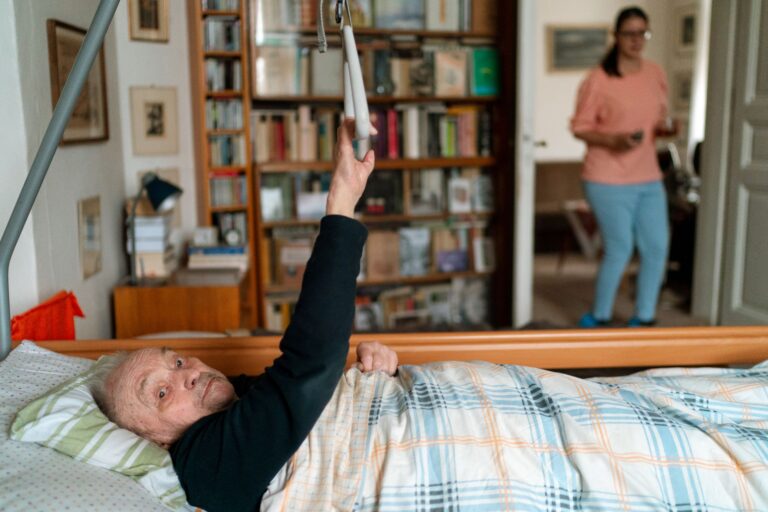
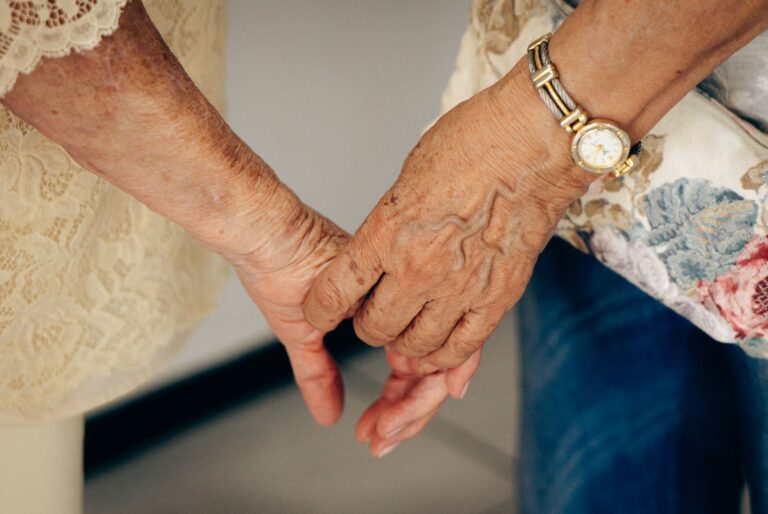
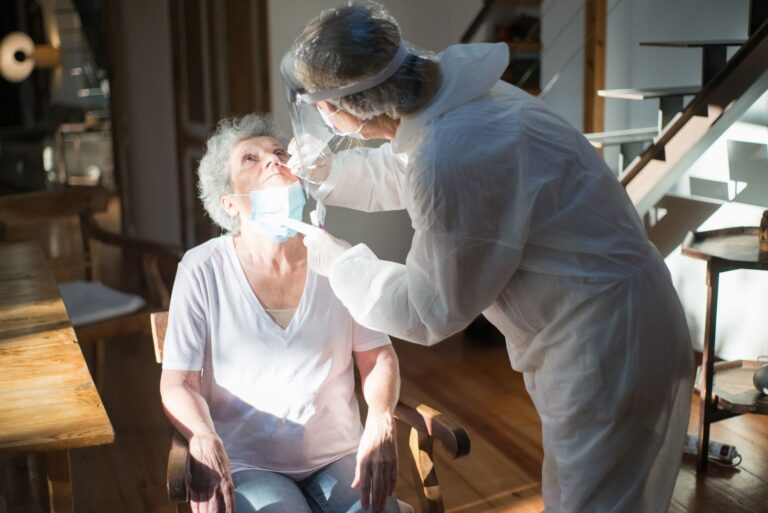
Alzheimer’s care needs better home support because the majority of patients and families prefer aging in place, yet the healthcare and social support infrastructure fails them at critical junctures. When a person receives an Alzheimer’s diagnosis, they and their family typically envision remaining in their own home throughout the disease—a preference backed by decades of research showing better quality of life, dignity, and emotional outcomes for patients who stay in familiar environments. Yet the systems meant to enable this vision are fragmented, underfunded, and heavily reliant on unpaid family labor that quickly becomes unsustainable.
The gap between preference and reality creates cascading consequences. A 75-year-old diagnosed with early-stage Alzheimer’s might spend the first year managing with a spouse’s part-time help and a few hours of hired caregiving weekly—an arrangement that costs $18,000 to $24,000 annually out-of-pocket. As the disease progresses and personal care needs intensify (toileting, bathing, dressing, medication management), the required hours of support double or triple, pushing the annual cost toward $50,000 to $100,000. At that point, most families confront an impossible choice: move the person to a facility (costing $60,000 to $150,000 yearly), place the patient in worsening conditions with inadequate family-only care, or have a family member quit work to become a full-time caregiver—with all the financial, health, and relational strain that entails.
Table of Contents
- What Care Needs Go Unmet in Alzheimer’s Home Support?
- How Caregiver Burden Accelerates When Home Support is Inadequate?
- Why Home Environments Pose Hidden Safety Risks?
- How Fragmented Care Access Creates Delays and Errors?
- What Complications Arise from Gaps in Medical Oversight?
- How Technology Might Bridge Some Gaps—With Important Limits?
- Why Professional Coordination Between Home and Medical Providers Remains Rare?
- Frequently Asked Questions
What Care Needs Go Unmet in Alzheimer’s Home Support?
Home-based Alzheimer’s care requires several layers of support that currently operate in silos. Personal care assistance (help with activities of daily living) is often the only service families can access through private pay or limited Medicaid coverage, yet two equally critical needs remain undersupported: skilled nursing oversight and cognitive-behavioral support. A person in mid-stage Alzheimer’s may need a nurse to monitor medication adherence, manage urinary tract infections that trigger dangerous behavioral changes, or adjust pain management as the ability to report symptoms vanishes—but most home care agencies provide only certified nursing assistants (CNAs) without RN oversight. The patient’s family then coordinates fragmented visits from the patient’s physician, specialists (neurologist, geriatrician), and the home care agency, often duplicating questions and missing critical information.
Cognitive-behavioral support is similarly patchwork. Behavioral changes—agitation, sundowning, aggression, wandering—are among the most destabilizing aspects of Alzheimer’s at home, yet families rarely have access to a trained behavioral specialist or geriatric psychiatrist who visits the home, observes the environment, and redesigns daily routines. Instead, families are often pushed toward antipsychotic medications that sedate the patient or worsen their decline. A spouse caring for a partner with severe sundowning (confusion and distress in late afternoon and evening) may have no source of guidance beyond their neurologist’s office visit, which happens once every six months. The absence of in-home behavioral assessment means the family troubleshoots alone—often ineffectively and at great emotional cost.
How Caregiver Burden Accelerates When Home Support is Inadequate?
The physical toll of unpaid caregiving is severe and measurable. Family caregivers (typically adult children or spouses) who provide 35 or more hours weekly of unpaid care report higher rates of depression, anxiety, hypertension, and weakened immune function compared to non-caregiving peers. A 60-year-old daughter who leaves her job to care for a parent with Alzheimer’s not only loses immediate income but also accumulates lost retirement contributions and Social Security credits, diminishing her own financial security in later life. After eight years of caregiving, she may have lost $300,000 or more in lifetime earnings and retirement benefits—a cost that remains invisible in healthcare policy discussions.
The emotional deterioration is equally significant. Caregiver burnout manifests as a sense of helplessness, resentment toward the care recipient, and identity loss—the caregiver becomes defined entirely by the care task rather than maintaining their own relationships, work, interests, and sense of self. Spouses caring for partners with advanced Alzheimer’s frequently report feeling grief (watching the person they married disappear cognitively while remaining physically present), isolation (friends withdraw, social life evaporates), and moral distress (questioning whether they’re making the right decisions about feeding, medical interventions, or medication adjustments). The limitation here is stark: even excellent professional in-home support cannot fully replace the person-to-person continuity and attachment a family member provides, yet relying solely on family caregiving leads to neglect, injury, and accelerated decline in both the patient and caregiver.
Why Home Environments Pose Hidden Safety Risks?
An Alzheimer’s home is not a standard home—it requires systematic modification to prevent falls, poisoning, fire, and wandering, yet most families receive no professional environmental assessment. A person in moderate-stage Alzheimer’s cannot remember that the stove is hot, cannot reliably use a phone to call for help, and may forget their own address if they wander outside. Standard household hazards become acute risks: cleaning supplies left under a sink can be consumed, medications in accessible drawers can be overdosed, stairs become fracture sites, and bathroom falls occur on slippery floors or with inadequate grab bars. A home care agency that provides 12 hours weekly of caregiving covers a fraction of the person’s waking hours, leaving unsupervised gaps where injury occurs.
Many families retrofit their homes gradually and imperfectly—removing a hazard here, installing grab bars there—but without professional assessment, critical modifications are missed. A doorway leading to an unfinished basement goes unbarred, or a sliding glass door looks just like a window, and the person walks into it with force. More insidiously, some safety modifications conflict with the person’s autonomy and dignity: locking the person inside the home prevents wandering but creates legal and ethical complications (is it unlawful confinement?), and removing all privacy (cameras in every room, doors off hinges) damages the person’s sense of self. The tradeoff is cruel—safety and independence are often mutually exclusive for someone with advancing Alzheimer’s, and families must choose which to sacrifice.
How Fragmented Care Access Creates Delays and Errors?
Accessing professional home care services is itself a complex navigation puzzle. Medicare covers some skilled nursing visits but only under strict conditions (the patient must be homebound, the service must be ordered by a physician, the need must be recent/acute). Medicaid varies wildly by state—some states cover extensive in-home services; others cap hours, reimburse at rates so low that agencies cannot hire quality staff, or require impossible eligibility thresholds. Private pay care (agency-employed caregivers costing $20 to $28 per hour, or independent caregivers at $15 to $22 per hour) is available immediately but unaffordable long-term for most middle-class families.
A family seeking to hire a home care agency must navigate agency licensing (which varies by state and covers only partial oversight), vet individual caregivers (background checks are inconsistent across agencies), and negotiate schedules and rates while the care recipient’s condition changes weekly. Some agencies are unionized and stable; others are cottage operations run from a phone with high turnover. Many families discover that their insurance does not cover the specific type of help they need—for example, Medicaid may pay for a CNA to help with bathing but not for someone to prepare safe meals or monitor medication. The comparison is telling: a family with money hires multiple caregivers with overlapping schedules and continuity; a family without money finds agencies unwilling to serve them because reimbursement rates make the service unprofitable.
What Complications Arise from Gaps in Medical Oversight?
When home care is inadequate or absent, preventable medical crises become frequent and devastating. Urinary tract infections are common in older adults with cognitive decline (they forget to drink fluids, cannot toilet regularly) and cause acutely worsening confusion, sometimes indistinguishable from a stroke or heart attack—yet a family with no nurse oversight may not recognize the cause, instead escalating to an ER visit, hospital admission, and the trauma of discharge back home with no new support plan. Pressure ulcers (bed sores) develop rapidly in people with limited mobility, requiring specialized wound care that exceeds family capability. Medication errors—doses missed, doubled, or taken incorrectly due to cognitive impairment—can cause serious harm, yet families often have no pharmacy oversight or reminder system beyond their own vigilance.
Nutritional decline is particularly insidious because it develops slowly and may not trigger physician concern during quarterly office visits. A person with advanced Alzheimer’s may refuse food, have difficulty swallowing, or have such poor appetite that they lose 20 or 30 pounds over several months—accelerating cognitive and physical decline in a vicious cycle. Some families resort to nutritional supplements as a stopgap, but without dietitian guidance, the approach is haphazard. The warning is critical: inadequate home support doesn’t just reduce quality of life—it actively worsens the disease trajectory, bringing forward institutional placement or death.
How Technology Might Bridge Some Gaps—With Important Limits?
Monitoring systems and digital tools have emerged as potential home support supplements: fall-detection watches alert caregivers to a fall; medication dispensers with reminders and alarms help prevent missed doses; door sensors alert when a person tries to wander at unsafe hours; video cameras allow remote checking. Some families find these tools genuinely helpful, particularly motion sensors in bathrooms (where falls are common) or automatic reminders for medication.
However, technology works best as an augment to human presence, not a substitute. A fall-detection device alerts someone to a fall, but if no caregiver is present for hours, the person may lie on the floor with a fractured hip—a preventable catastrophe that technology alone cannot address. Similarly, medication reminders work for people cognitively capable of responding to an alarm; in advanced Alzheimer’s, the person cannot remember why they are hearing a chime or cannot physically retrieve the pill bottle.
Why Professional Coordination Between Home and Medical Providers Remains Rare?
The most effective home care for Alzheimer’s integrates medical oversight, behavioral support, and daily assistance in a coordinated plan—yet this coordination is rare in current practice. A patient’s neurologist, primary care physician, home care agency, and any in-home nurses typically do not share a single care plan or even regular communication. The neurologist may adjust medication without informing the home care agency; the physician may order bed rest without the agency having the equipment or training for safe bed-based care; the home care agency may observe a dangerous behavior but have no mechanism to alert the physician to patterns that might warrant medication adjustment. Information exists in separate systems—the hospital record, the physician’s office notes, the home care agency’s documentation—and does not flow between them.
This fragmentation means that effective care depends almost entirely on the family’s ability and persistence in translating information between providers. A daughter who attends neurology appointments must then relay findings to the home care supervisor, who must relay them to the person’s primary care doctor. If the daughter is unavailable (traveling for work, ill herself), critical information gaps appear. Some emerging programs—hospital-affiliated geriatric home services, coordinated care models, or primary care practices with in-home nursing—demonstrate that coordinated care is feasible and reduces preventable hospitalizations by 20 to 30 percent. Yet these models remain rare and available only to those with coverage or wealth to access them.
Frequently Asked Questions
Can Medicaid pay for all the home care my parent with Alzheimer’s needs?
Medicaid covers in-home care in most states, but with significant limitations. Covered services, hours, and reimbursement rates vary widely by state. Some states offer robust programs; others cap hours at 5-10 weekly or reimburse so low that providers cannot serve Medicaid patients profitably. You must check your specific state’s Medicaid guidelines and apply early, as wait lists exist in some regions.
Is it safe for someone with Alzheimer’s to stay home alone during the day?
No, not beyond very early stages. A person with moderate Alzheimer’s should not be left alone, as risks of falls, medication errors, wandering, stove hazards, and medical emergencies are substantial. Even a person in early stage benefits from regular check-ins. If family cannot provide continuous presence, professional caregiving hours are essential.
What should I look for when hiring a home care agency?
Verify state licensing, ask about background check procedures, clarify which services are included (skilled nursing, medication management, meal prep), confirm caregiver continuity (will you have the same person regularly, or constant staff changes?), and check references from other families. Interview prospective caregivers directly if possible, and clarify what happens if your regular caregiver becomes unavailable.
How much does in-home Alzheimer’s care cost?
Private pay caregivers typically cost $15-$28 per hour depending on location and credentials. Full-time in-home care (24/7) costs $36,000 to $150,000 yearly. Medicaid and Medicare may cover some services, and long-term care insurance (if purchased before diagnosis) may help, but most families pay privately for at least part of the care.
Can my parent’s doctor manage Alzheimer’s from office visits alone?
For early stage, office visits with primary monitoring may suffice. As the disease advances, office-only care misses crucial information—behavioral changes, nutritional decline, medication adherence, environmental hazards—that require in-home assessment. Ideally, physician oversight should include communication with home caregivers and periodic home visits.
What happens if I cannot afford adequate home care?
This is the hardest reality. Without affordable care, families often face institutional placement, reliance on unpaid family caregiving (with all its costs), or inadequate care leading to preventable crises. Seek Medicaid coverage, contact your local Area Agency on Aging for resources, explore subsidized care programs, and ask your physician about home-based geriatric programs. Some nonprofits offer caregiver support and limited financial assistance.