Offer indoor gardening now during early-stage dementia, with one planned session per week. Aim for 90 to 120 minutes per session and keep going for 21 or more sessions in total. Early-stage dementia means memory and thinking changes are present but daily function remains. Indoor gardening means hands-on plant care inside the home, such as potting, watering, and harvesting.
Medical information disclaimer: This article is for general educational purposes only and does not provide medical advice, diagnosis, or treatment. Always consult a physician or other qualified health professional about symptoms, medications, tests, or treatment decisions.
Table of Contents
- Who should start now?
- How often and how long work best?
- What can weekly gardening change?
- Which indoor tasks are safe and simple?
Who should start now?
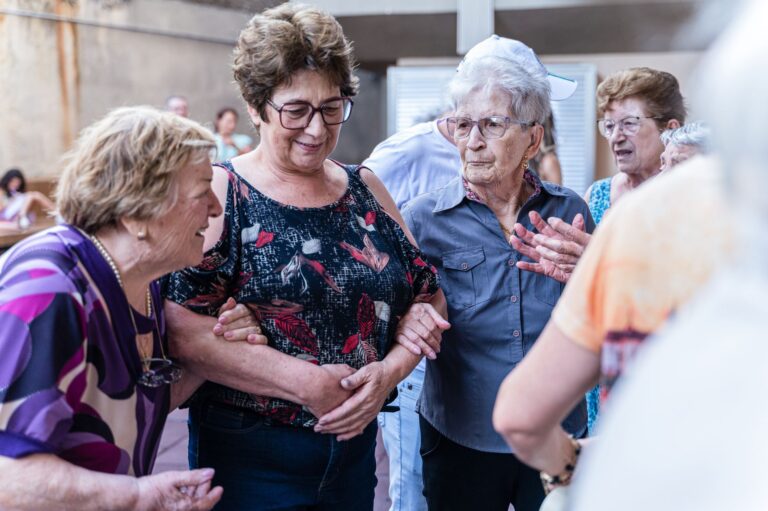
People with early-stage dementia and their care partners are the right pair to start. Joint activity supports movement, conversation, and shared purpose while abilities are still strong.
The Alzheimer's Association Minnesota–North Dakota offers Growing Connections, a free gardening program exclusively for early-stage pairs to socialize and stay active, according to the chapter's early-stage support page. A local program can add structure to a home routine.
How often and how long work best?
Once per week produced the largest benefit in the research, followed by twice per week. Longer programs also helped more, especially 21 or more total sessions. The Journal of People, Plants, and Environment reports a medium overall benefit for older adults with dementia across 29 horticultural-therapy studies from 2003 to 2022, with an effect size of 0.522 and the strongest results at 90 to 120 minutes per session, described in the meta-analysis.
That pattern points to steady weekly time rather than occasional long days. Daily brief contact also matters. Seniors with daily plant time can build familiarity and calm between weekly sessions.
What can weekly gardening change?
Regular sessions can support balance, walking speed, and sociability. Nursing-home residents in their 80s who joined an eight-week indoor program, about weekly, had significantly less loneliness and better social and physical activity. Semmelweis University found that institutionalized older people with cognitive impairment or dementia improved balance, walking speed, and sociability after hour-long gardening sessions twice weekly for 12 weeks versus non-gardening controls, according to the university report.
Home results will differ, but the active ingredients are repetition, movement, and social contact. Use indoor gardening as supportive engagement. It may aid mood, purpose, and connection even as cognition declines.
Which indoor tasks are safe and simple?
Offer simple supervised tasks that use familiar motions and clear steps. Keep tools light, pots stable, and water nearby.
Remove or avoid poisonous, skin-irritating, thorny, or sharp-spined plants from indoor reach. Stay close, give one step at a time, and stop before fatigue or frustration grows.
- Watering small pots with a light can
- Deadheading spent flowers
- Sowing large seeds in trays
- Harvesting herbs or cherry tomatoes