Adapt indoor gardening for late-stage dementia by replacing planting with passive touch and smell, such as flowers or herbs at a table. Keep the person seated, supervised, and away from toxic plants and sharp tools. Late-stage dementia brings severe loss of memory, judgment, and movement. Horticultural therapy means guided plant contact to support mood and daily comfort.
Medical information disclaimer: This article is for general educational purposes only and does not provide medical advice, diagnosis, or treatment. Always consult a physician or other qualified health professional about symptoms, medications, tests, or treatment decisions.
Table of Contents
- Trade chores for touch and smell
- Keep every plant safe to handle
- How do you set up the table?
- How do you supervise and know when to stop?
Trade chores for touch and smell
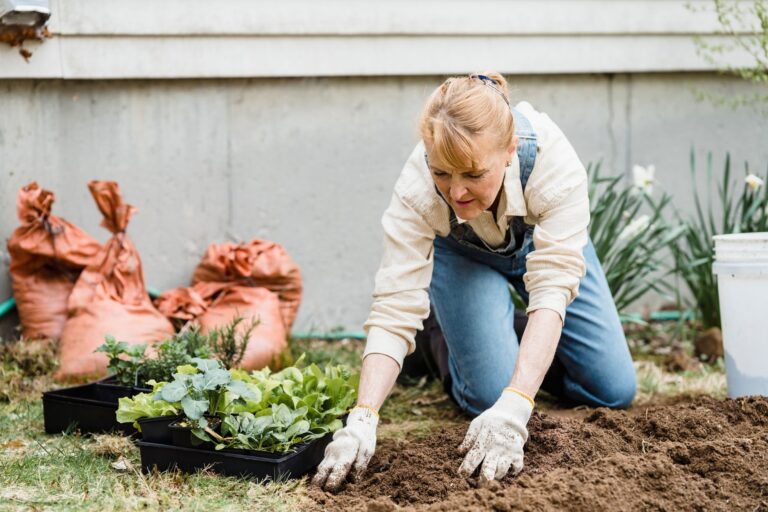
The Alzheimer's Society (UK) advises passive sensory contact in late-stage dementia. It recommends bringing flowers or herbs to a table for touching and smelling rather than planting or weeding six gardening tips for dementia.
Offer one flower, herb sprig, or smooth leaf at a time. Invite the person to hold it, stroke it, and smell it.
Keep every plant safe to handle
The NIH National Institute on Aging says remove poisonous plants and avoid toxic, thorny, or prickly types home safety checklist for Alzheimer's disease. Ask Poison Control at 1-800-222-1222 or a local nursery before you bring a new plant indoors.
Wipe leaves clean before the session. Use one simple, stable pot at a time.
How do you set up the table?
University of Florida guidance recommends seated table work, varied container heights, bright light, and clutter-free, non-slip floors tending garden beds guidance. Place one container within easy reach.
Keep water and towels nearby. Leave clear space around the chair.
- Sit at a sturdy table
- Use one container at hand height
- Keep light bright and floor clear and non-slip
How do you supervise and know when to stop?
University of Florida guidance says avoid sharp knives, trowels, and hot-wax tools without supervision potting-up herbs safety guidance. Keep groups small and keep a care partner present.
Give one-to-one watch if the person mouths objects. If the person mouths soil or leaves, stay within reach and remove the item calmly.