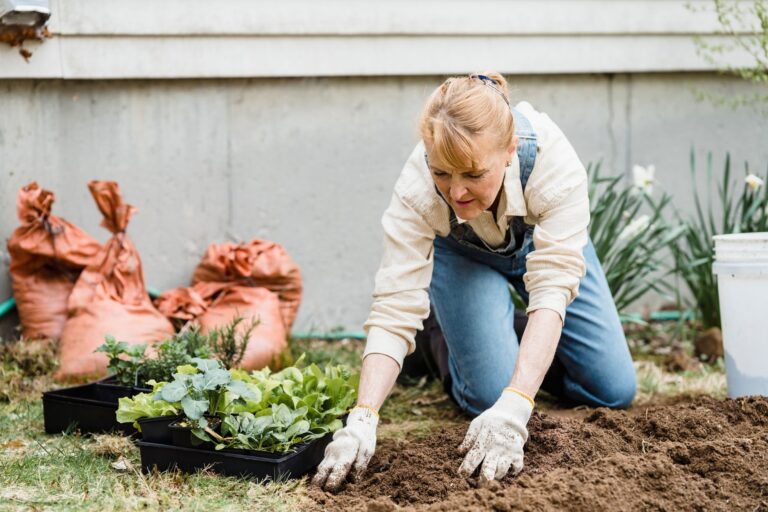
Step-by-step indoor gardening for late-stage dementia means seated, supervised sensory contact with safe tabletop plants in simple one-step actions. Late-stage dementia means advanced memory and thinking loss where a person needs full daily help but still responds to touch, smell, and sight. The goal is calm engagement, not skill or recall. A small pot of herbs on a table can give smelling, touching, watering, and watching with a care partner.
Medical information disclaimer: This article is for general educational purposes only and does not provide medical advice, diagnosis, or treatment. Always consult a physician or other qualified health professional about symptoms, medications, tests, or treatment decisions.
Table of Contents
- Why focus on senses rather than tasks?
- How do you set up a safe tabletop garden?
- Which one-step activities still work?
- What limits and safety steps matter?
Why focus on senses rather than tasks?
People with late-stage dementia benefit most from purely sensory contact. The Alzheimer Society of Canada describes feeling soil and leaves, smelling basil, mint, or lavender, and viewing flowers with a care partner, even when wheelchair-dependent.
That contact can bring alertness, pleasure, and closeness without demands on memory. The University of California describes structured reminiscence gardening where handling tools, cuttings, and multisensory plants supports memories, energy, confidence, skills, and social contact in a safe setting.
How do you set up a safe tabletop garden?
The SIU School of Medicine describes a small indoor tabletop garden of easy-care houseplants or herbs that lets a person with memory loss plant, tend, smell, and observe for sensory stimulation and accomplishment. Choose a sturdy table, a stable chair or wheelchair position, good light, and plastic pots that will not break.
Alzheimer's Society UK advises choosing only non-toxic, thornless plants and adding safe sight, sound, and touch stimulation such as smelling flowers and touching satisfying leaves. Keep soil, seeds, scissors, and water under caregiver control.
- Set one small plastic pot, saucer, and spoonful of soil mix on a tray.
- Offer one basil, mint, lavender, African violet, or spider plant to touch and smell.
- Keep hands, face, and mouth safe by guiding every reach and clearing clippings at once.
Which one-step activities still work?
Penn State Extension reports repetitive one-step tasks like watering, sowing seeds in pots, deadheading, harvesting vegetables, sweeping, and flower arranging remain manageable and bring joy even with advanced dementia. Do one action at a time and let the person stop or repeat it. Offer the watering can for one pour, a pre-filled hole for one seed, or one soft leaf to stroke.
Name what you both sense in plain words, like warm soil, sweet mint, or bright yellow bloom. A hydroponic indoor smart grower is another option. A 2025 JMIR Aging pilot study found home use feasible for families and controllable when space, weather, or strength limit outdoor gardening.
What limits and safety steps matter?
Most evidence comes from small pilots and varied nature programs, so effects on agitation and thinking vary. A 108-study, 21-country Frontiers in Dementia review reported lower medication use, cortisol, and blood pressure from purpose-designed indoor therapeutic gardens, but results do not promise the same change for every person.
The University of Florida therapeutic horticulture database and Penn State Extension point to seated, supervised one-step steps with plastic pots and caregiver handling of soil, seeds, and scissors. Watch for fatigue, mouthing of leaves or soil, skin irritation, allergy, or distress, and end after 10 to 15 calm minutes with the plant left where the person can see it.