Offer indoor gardening in late-stage dementia as short sensory time daily or several times per week. Move outdoor work to tabletop touch and smell when tasks become too hard.
Late-stage dementia means severe memory loss, little speech, and need for full daily help. Indoor gardening means tending a houseplant, window box, or windowsill herbs indoors. Sessions aim for calm and connection, not finished work.
Medical information disclaimer: This article is for general educational purposes only and does not provide medical advice, diagnosis, or treatment. Always consult a physician or other qualified health professional about symptoms, medications, tests, or treatment decisions.
Table of Contents
- What Changes in Late-Stage Dementia?
- How Often Works Best?
- What Does a Calm Session Look Like?
- What Benefits and Limits Should You Expect?
What Changes in Late-Stage Dementia?
Goals shift from completion to comfort. The Kensington Falls Church caregiver guide recommends bringing flowers or herbs to the table for touching and smelling, since goals become calming and sensory rather than task completion the caregiver guide.
Watch for fatigue, distraction, or refusal. Keep the plant within reach and let the person watch, hold, or smell. Stop early if attention fades.
How Often Works Best?
Short sensory sessions daily or several times per week are described as most helpful. The Cottage at Litchfield Hills notes this rhythm can reduce anxiety and support connection from mild through late-stage dementia. A tested routine used one hour each morning and afternoon for 28 days.
The Murroni et al. systematic review reports those 23 patients showed less agitation, with initial-to-final scores differing at p=0.001 the systematic review. For late-stage care, start short and repeat often. A brief calm visit beats one long tiring session.
What Does a Calm Session Look Like?
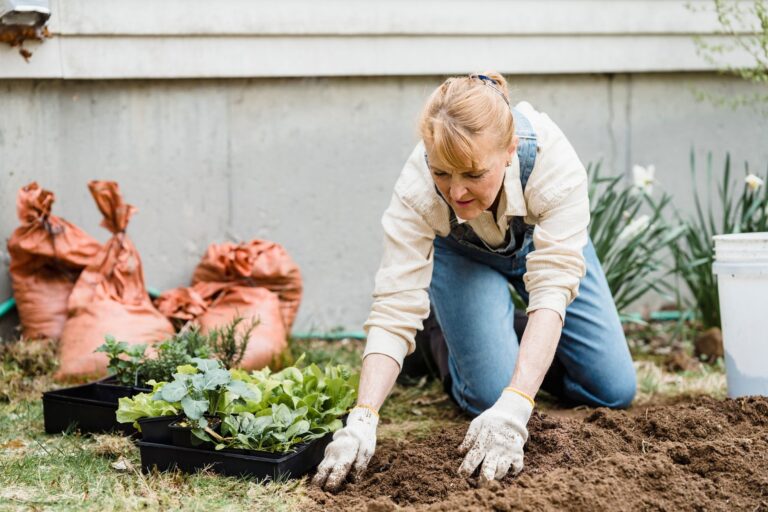
The National Institute on Aging advises caregivers to offer gardening as an adaptable activity, to take care of indoor plants, plant flowers and vegetables, water as needed, and talk about plant growth its adapting activities guide. Use items the person can touch, smell, and see up close. A window box, houseplant, or windowsill herbs works year-round and when movement is limited.
- Set one pot on a steady table in good light.
- Invite touch and smell of leaves, flowers, or herbs.
- Offer a small cup for watering as needed.
- Talk in simple words about growth, color, and scent.
What Benefits and Limits Should You Expect?
The Murroni et al. systematic review finds garden exposure most often helped engagement, agitation, mood, stress, and medication use. The same review reports the 4-week indoor routine improved sleep continuity and cognition in those 23 patients. The Lee and Kim pilot summary cautions the strongest dosage finding comes from a small 23-person pilot without a control group.
Larger randomized trials are still needed before treating effects as proven for all late-stage patients. Match the session to the response you see. Continue what brings calm attention and stop what brings strain. Offer the plant again tomorrow if today feels flat.