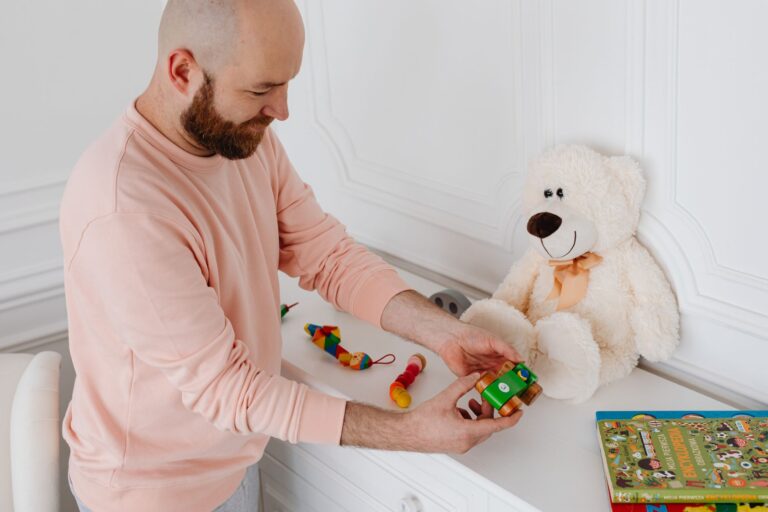
Caregivers handle holiday visitor overstimulation by keeping gatherings small and timed for alert hours, then offering one memory care toy at a time as a calm focus. Memory care toys mean simple soothing items like fidget tools and toy interactive pets that occupy the hands and attention. Crowded rooms, noise, and many conversations at once can raise confusion and anxiety in a person with Alzheimer's or dementia. A planned visit, a quiet place to rest, and a familiar activity help the person stay engaged without overload.
Medical information disclaimer: This article is for general educational purposes only and does not provide medical advice, diagnosis, or treatment. Always consult a physician or other qualified health professional about symptoms, medications, tests, or treatment decisions.
Table of Contents
- How do you plan a calmer visit?
- Where can the person reset?
- Which memory care toys help most?
- When is it more than overstimulation?
How do you plan a calmer visit?
Keep the group small and spread visits across days. Banner Health advises this approach because crowded, noisy rooms cause confusion and anxiety in people with Alzheimer's or dementia holiday guide for memory loss. Smaller groups make talk easier to follow and reduce sudden noise.
Schedule the main celebration for the time of day when the person is usually most alert. Being Patient notes that morning gatherings often work better than evening events, when confusion and agitation often worsen. Brief visitors in advance about abilities, avoid quizzing with "do you remember me," and focus on warmth and connection.
- Invite a few people at a time, on separate days
- Choose alert hours, such as Christmas morning
- Tell guests what helps and what to avoid
- Greet one person at a time, slowly
Where can the person reset?
Set up a quiet retreat away from the main gathering. Include soft lighting, a comfortable chair, and a few familiar objects. The person can move there to rest when voices, music, or movement become too much.
Offer only one calm distraction at a time. Senior Star Wexford Place suggests familiar music, a single photograph, or a short walk, then stopping if the person withdraws or shows discomfort help for holiday overwhelm during visits. Watch the face and body for signs of strain. Quiet company often helps more than extra activity.
Which memory care toys help most?
Fidget tools give restless hands something safe to do. Dementia Map/Body+Mind describes Twiddle muffs, fidget blankets, and busy boards with textures, zippers, beads, and ribbons that can reduce anxiety and increase engagement. Place one item in the person's hands and let them explore at their own pace.
Toy interactive pets invite stroking, holding, and talking. In a 2019 Florida Atlantic University study of 12 adult-day clients with mild-to-severe dementia, 12 visits with the pets improved observed emotion and depression scores Florida Atlantic University pet study. The New York State Office for the Aging reported reduced loneliness in 70% of older recipients and less pain in 75% in a 2018 pilot, followed by distribution of more than 35,000 pets from 2018 to 2025 animatronic pet initiative results. Keep the pet nearby during visits, not in the center of noise.
When is it more than overstimulation?
Pause the visit if agitation, confusion, or withdrawal rises fast or looks unusual. Move the person to the quiet space, lower noise and light, and remove the toy if it adds demand. Stay close and keep your voice slow and simple.
Sudden or sharply worsened confusion, agitation, or withdrawal needs prompt medical evaluation through the care team, not a presumption of holiday stress. Check for fever, pain, dehydration, constipation, poor sleep, or a new medication issue. Call the clinician the same day when change is sudden or severe.