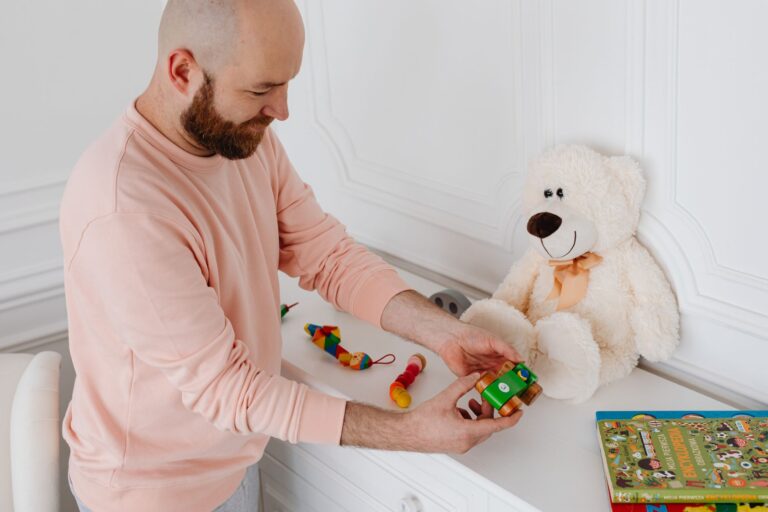
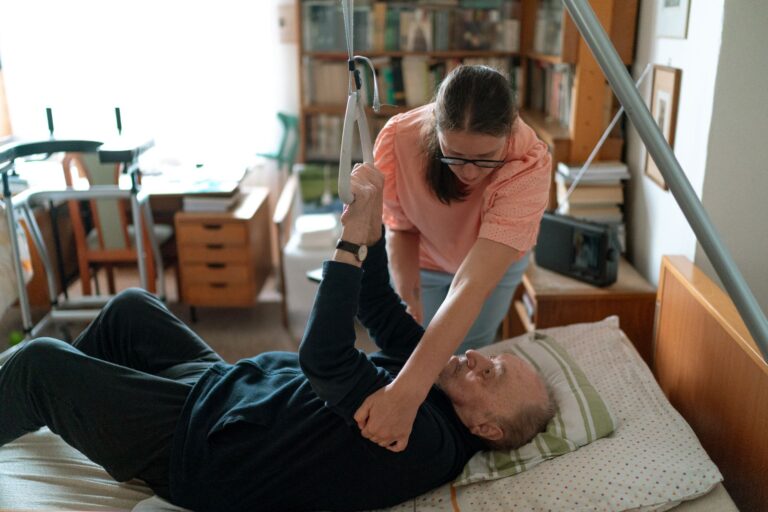
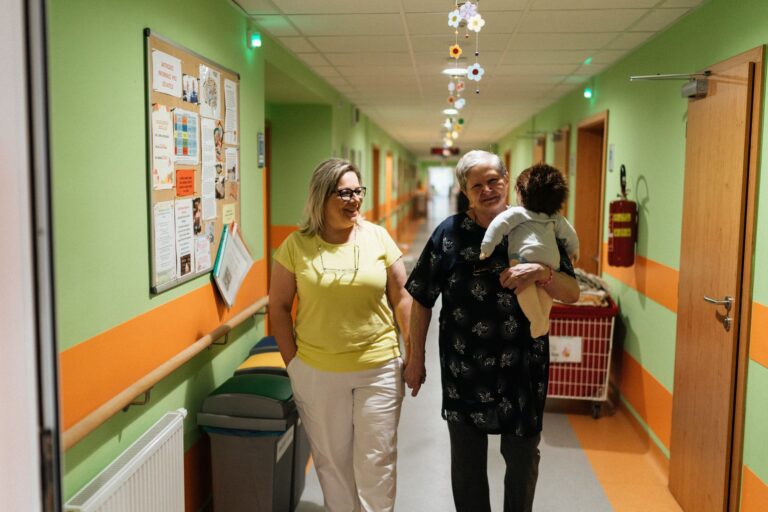
Familiar dolls, textured twiddle muffs, and robotic-seal or soft plush companions help caregivers calm and redirect during Lewy body dementia hallucination episodes. They give the person something safe to hold and focus on while the caregiver reassures, improves lighting, and moves to another room. Lewy body dementia is a brain disorder with thinking, movement, and sleep changes. According to the Lewy Body Dementia Association, visual hallucinations occur in up to 80% of people with the condition and are a core diagnostic feature, often involving detailed people, animals, or children, as described on its emergency-room treatment page.
Medical information disclaimer: This article is for general educational purposes only and does not provide medical advice, diagnosis, or treatment. Always consult a physician or other qualified health professional about symptoms, medications, tests, or treatment decisions.
Table of Contents
- What should you do first in the moment?
- Can a familiar doll help?
- Why keep a textured muff nearby?
- Do robotic pets or plush toys work?
- When should you call a specialist instead of using medication?
What should you do first in the moment?
Stay calm, do not argue about what the person sees, and state that they are safe. Change the topic, move to another room, and invite another person to join you.
The Lewy Body Dementia Resource Center advises this same sequence of not arguing, changing the topic, reassuring safety, moving rooms, and using music or family photos for redirection, detailed in its coping guide for hallucinations and delusions. The Alzheimer's Association also advises calm reassurance with comforting touch, then walking, changing rooms, or bringing in another person.
- Check shadows, glare, reflections, and floor patterns, then turn on lights.
- Speak briefly, offer your hand, and guide the person to a well-lit room.
- Offer a familiar object, music, photo, snack, or short walk.
Can a familiar doll help?
A lifelike empathy doll can help when the hallucination involves a baby, child, or familiar person. Neuroscience Research Australia and UNSW Sydney reported in November 2024 that this child-representation approach may reduce agitation and anxiety for some people with dementia, including those hearing a baby cry or fearing a lost baby.
A 2026 report in Clinical Case Reports via PubMed Central found an emotionally personalized familiar doll substantially diminished hallucinatory speech, agitation, repetitive vocalizations, and sleep disturbance in an 88-year-old woman with advanced Alzheimer's disease at home, described in the published case report. Choose a doll with familiar hair, clothing, weight, and washable fabric. Introduce it gently, let the person name it, and avoid correcting how they describe it.
Why keep a textured muff nearby?
A twiddle muff is a knitted hand muff with textured ribbons, beads, and fabrics. Care staff reported in the journal Geriatrics that these muffs relieved tension, induced relaxation through pleasant sensory stimulation, and enabled gentler communication in older patients with dementia.
Keep one on a chair, bed, or walker bag for fast access. During distress, offer it without grabbing the person's hands. Let fingers find the textures while you speak softly and redirect.
Do robotic pets or plush toys work?
An interactive robotic seal and a simple look-alike plush toy both offer soft touch, weight, eye contact, and a focus for attention. They are useful when live pets are unsafe, unavailable, or overstimulating.
A 415-person cluster-randomized trial in 28 care facilities found 15-minute PARO robotic-seal sessions three times weekly for 10 weeks improved observed agitation and pleasure versus usual care, while both PARO and a look-alike plush reduced neutral affect, reported by QUT in the trial record. Start with short sessions, watch for irritation, and remove batteries or turn off sound if the person becomes startled.
When should you call a specialist instead of using medication?
Call early if hallucinations cause fear, refusal of care, unsafe actions, frequent falls, or severe distress despite reassurance and redirection. Bring a list of current drugs, sleep changes, infections, dehydration, and recent falls.
According to the Lewy Body Dementia Association, 25 to 50 percent of patients given usual-dose antipsychotics develop severe sensitivity with worsening cognition, parkinsonism, sedation, or fatal neuroleptic malignant-like reactions. Prioritize reassurance, lighting fixes, and tactile or familiar comfort objects and seek LBD-experienced specialist guidance before drug treatment.