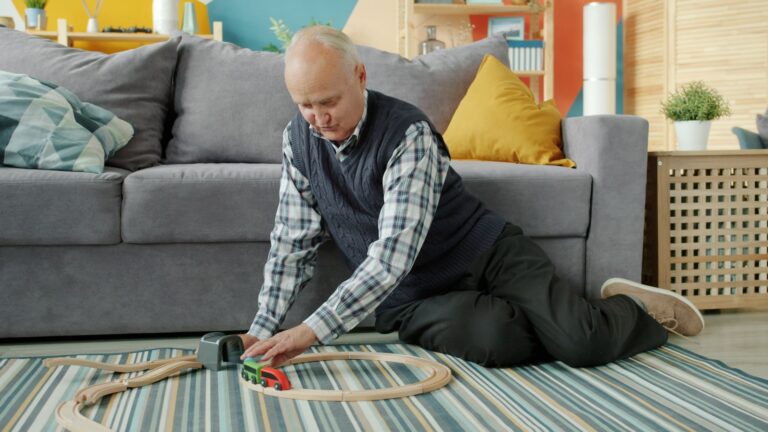
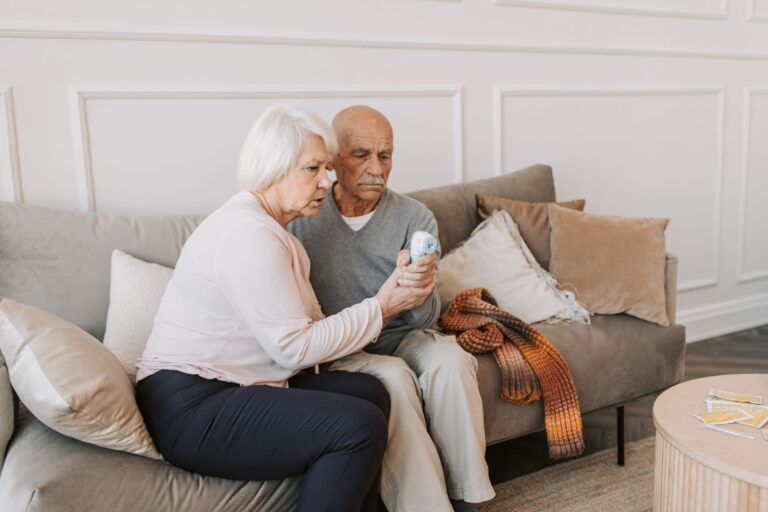
Textured fidget blankets, sensory cushions, tactile objects, lifelike comfort dolls, and the PARO robotic seal help caregivers redirect agitation during dementia sundowning. The National Institute on Aging describes sundowning as increased restlessness, irritability, and confusion as daylight fades. A familiar toy works best as a calm, simple redirect, not as a cure.
Evidence is mixed and personal preference matters a lot. Hands-on sensory tools suit restless hands, while dolls and robotic pets suit people who respond to nurturing or companionship. Start early, offer one option, and watch the response.
Medical information disclaimer: This article is for general educational purposes only and does not provide medical advice, diagnosis, or treatment. Always consult a physician or other qualified health professional about symptoms, medications, tests, or treatment decisions.
Table of Contents
- How does redirection work at sundown?
- What calms restless hands?
- When can a comfort doll help?
- What about robotic pets and music?
How does redirection work at sundown?
Redirection shifts attention from distress to something familiar and manageable. The National Institute on Aging advises caregivers to redirect sundowning distress with a favorite snack, object, or simple activity, as described in NIA's tips for coping with sundowning. The goal is comfort in the moment.
Useful redirects include: Offer one item at a time and keep your voice slow. If the person pushes the object away, pause and try a different sense. Familiarity usually calms more than novelty.
- offering a drink or favorite snack
- folding towels or sorting safe household items
- playing soothing music or reading aloud
- taking a short walk
- showing a familiar TV program
What calms restless hands?
Textured fidget blankets, sensory cushions, and small tactile objects give restless hands a low-stakes outlet. AlzProducts notes these tools invite touching, holding, and rubbing during anxious moments, and a 2025 meta-analysis of randomized trials found multisensory stimulation reduced neuropsychiatric symptoms and supported cognition, as summarized in AlzProducts' guide to sensory toys for dementia. They fit well in a lap or beside a chair.
Choose textures the person already likes, such as soft fleece, smooth satin, corduroy, or knotted yarn. Avoid small parts, sharp edges, long cords, or anything that looks edible. Keep the item within reach before late afternoon so it feels routine.
When can a comfort doll help?
A lifelike doll can give some people a nurturing focus, such as holding, stroking, talking, or rocking. A Cleveland Clinic pilot in 46 hospitalized dementia patients ages 70-96 found agitated-behavior scores decreased among doll recipients, though authors said larger trials are needed, according to Cleveland Clinic's report on its doll-therapy pilot. Response varies widely.
A 2019 Griffith University pilot in 35 Queensland long-term-care residents found no significant reduction in anxiety, agitation, or aggression versus usual care, although observed pleasure increased significantly. A 2026 Chinese cluster randomized trial of staff-mediated doll therapy reported NPI-12 behavioral scores 3.61 points lower than control at 6 weeks and 4.40 points lower at 12 weeks. Offer the doll casually, use the person's own words for it, and remove it gently if it causes confusion, jealousy, or distress.
What about robotic pets and music?
The PARO robotic seal responds to touch and sound with movement and soft cries. A Griffith University trial of 415 residents in 28 Queensland aged-care facilities found PARO reduced agitation versus usual care on video observation and drew more engagement than a plush toy, with no difference on staff-rated agitation, according to Therapy Robots Australia's summary of the Griffith trial. It may suit people who like animals but cannot care for a live pet.
Music-based activities can also support mood. A 2025 Cochrane review of 30 studies with 1,720 people with dementia found music-based therapy probably slightly improves depression and may improve overall behavior, with little lasting benefit for agitation, aggression, or cognition. Keep evening music slow, familiar, and low in volume. Start with one tactile object before sunset, keep a doll or robotic pet nearby only if the person reaches for it, and switch to music or a walk if handling increases tension.