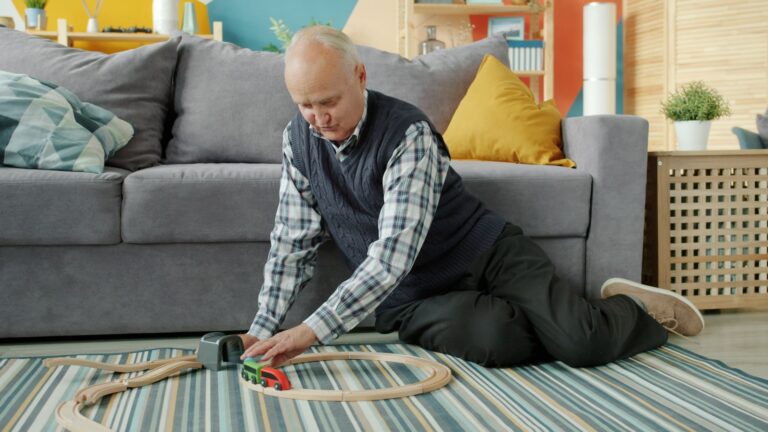
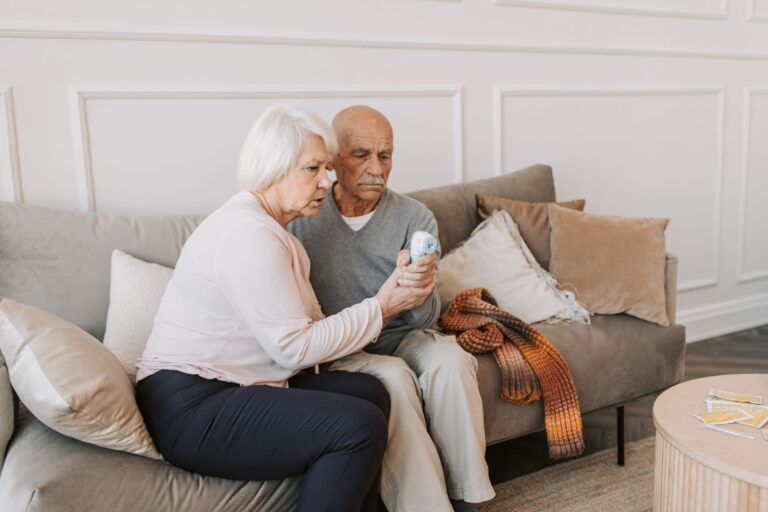
Yes. Simple musical toys that invite active playing, singing, and rhythm can support thinking, mood, and daily function in mild cognitive impairment.
Mild cognitive impairment means noticeable memory or thinking changes beyond normal aging, while daily independence remains largely intact. The strongest support is for active music-making, not passive background sound. According to Wiley reporting on the Journal of the American Geriatrics Society, a meta-analysis of 9 trials with 495 adults over 65 with mild impairment or dementia found active music-making improved cognition, mood, and quality of life Wiley press summary of the meta-analysis.
Medical information disclaimer: This article is for general educational purposes only and does not provide medical advice, diagnosis, or treatment. Always consult a physician or other qualified health professional about symptoms, medications, tests, or treatment decisions.
Table of Contents
- What changes can families expect?
- Does musical engagement relate to later dementia risk?
- Which musical toys count as active?
- How can caregivers start without frustration?
What changes can families expect?
Active playing engages attention, memory, movement, listening, and social response at once. That combination is why researchers link it to better test scores for thinking alongside better mood and quality of life.
For caregivers, the practical effect is engagement rather than cure. A person may follow rhythm longer, attempt more words in a song, cooperate more readily with daily routines, or seem calmer and more connected after playing.
Does musical engagement relate to later dementia risk?
A large Australian cohort offers context for long-term habits. According to the National Endowment for the Arts reporting on a Monash University study of more than 10,800 adults age 70 and older without dementia, people who always listened to music had 39 percent lower dementia risk and frequent instrument players had 35 percent lower risk National Endowment for the Arts report on the 2025 study.
That pattern favors regular listening and hands-on playing over years, especially together. It does not show that buying a toy late in life reverses impairment or guarantees protection.
Which musical toys count as active?
Studied active options include choir singing, drum circles, improvising, and playing simple instruments, with no prior music-reading skill required, as described in the same Wiley summary of the geriatrics research Wiley summary of studied music activities. Look for tools that demand timing, listening, and choice:.
- hand drum, frame drum, or shaker for steady-beat play
- simple xylophone, chime bars, or large-button music player for melody
- karaoke microphone, song cards, or call-and-response singing games for voice
How can caregivers start without frustration?
Keep sessions short, predictable, and success-based. Offer one instrument at a time, model a simple pattern, take turns, and let the person set volume and tempo. Choose lightweight tools with large grips, smooth edges, and clear sound.
Treat toys as part of broader engagement, not prevention on their own. According to Harvard Health Publishing on the 2025 cohort findings, most benefits come from small trials or observational associations, so music exposure predicts lower risk but does not prove simple toys prevent dementia Harvard Health Publishing analysis. Start with 10 to 15 minutes daily of shared rhythm, singing, or simple melody play.