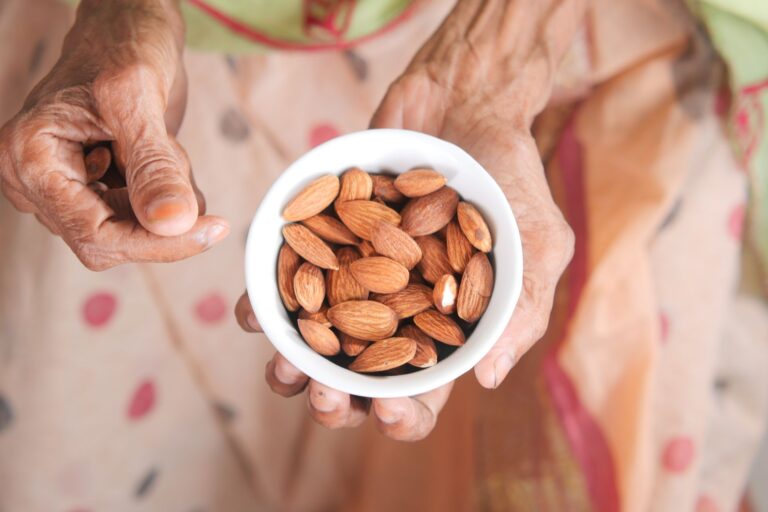
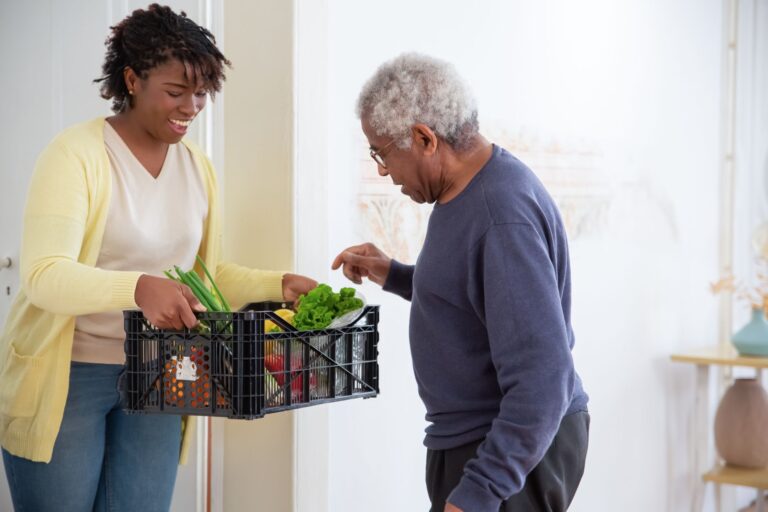
Caregivers can support winter hydration by offering small cups of fluid through the day and adding water-rich foods. Warm options like soup, broth, herbal tea, and milk help, alongside checks for warning signs and personal medical needs.
Older adults face higher dehydration risk. The NHS lists relying on others for drinks, diuretic medicines, illness, and diarrhea as factors that make dehydration easier. People with dementia may forget to drink, feel overwhelmed by choices, or not recognize thirst.
Medical information disclaimer: This article is for general educational purposes only and does not provide medical advice, diagnosis, or treatment. Always consult a physician or other qualified health professional about symptoms, medications, tests, or treatment decisions.
Table of Contents
- How much fluid counts?
- How can caregivers make winter drinking easier?
- Which warning signs need quick action?
- What about vitamin D and personal limits?
How much fluid counts?
For most people the UK Eatwell Guide advises 6-8 cups or glasses of fluid daily, aiming for pale-yellow urine, according to NHS guidance on water, drinks and hydration. Water, lower-fat milk, and lower-sugar drinks all count. Tea and coffee also count in this daily total.
Use pale-yellow urine as a simple daily guide. Dark urine, drinking less often, or strong-smelling urine can signal a need for more fluid. Keep a small cup within sight and refill it through the day.
How can caregivers make winter drinking easier?
The Alzheimer's Association advises offering fluids continuously in small cups throughout the day. Small servings feel less overwhelming than large glasses. Offer one choice at a time and prompt gently.
High-water foods add fluid without extra pressure to drink. The Alzheimer's Association advises fruit, soups, milkshakes, and smoothies alongside water and other liquids. Serve soup at lunch, sliced fruit as a snack, and a smoothie or milkshake in the afternoon.
- Offer warm herbal tea, broth, soup, or warm milk
- Give small cups often, not large drinks rarely
- Drink regularly yourself to model the habit
- Limit juice to 150ml daily and avoid alcohol for rehydration
- Keep caffeine moderate rather than using strong coffee as the main drink
Which warning signs need quick action?
Watch for thirst, headache, dizziness, and tiredness. Also check for dry mouth, lips, or tongue, dark strong-smelling urine, and peeing less often. Note sunken eyes, new confusion, or unusual sleepiness.
The NHS describes these signs in NHS guidance on dehydration, with urgent GP, NHS 111, or 999 care for severe symptoms. Do not wait when confusion is new or sleepiness is unusual. Keep a short note of fluid intake, urine color, and changes to share with the clinician.
- Thirst, headache, dizziness, tiredness
- Dry mouth, lips, or tongue
- Dark or strong-smelling urine and peeing less often
- Sunken eyes, new confusion, unusual sleepiness
What about vitamin D and personal limits?
In the UK from October to early March sunlight is too weak for skin vitamin D synthesis. The NHS advises that everyone should consider a daily 10-microgram supplement during this period, as explained in NHS guidance on vitamin D. Food sources include oily fish, red meat, egg yolks, and fortified cereals.
Fluid and diet needs vary with diabetes, kidney or heart disease, swallowing problems, illness, and medicines. Pharmacists can advise on oral rehydration salts during illness. Check fluid targets, supplements, and swallowing difficulty with the GP or pharmacist before changing routines.