Social engagement protects against Alzheimer’s disease and cognitive decline because interaction with other people demands sustained mental effort. When you have a conversation, recognize a friend’s face, remember someone’s birthday, or participate in group activities, your brain activates multiple cognitive systems simultaneously—language processing, memory retrieval, emotional regulation, and attention. This mental workout strengthens neural pathways and creates cognitive reserves that buffer against the damage Alzheimer’s pathology can cause. A person with strong social ties and regular engagement may maintain cognitive function even when brain scans show significant amyloid plaque and tau tangles, the hallmark proteins of Alzheimer’s disease. The protective mechanism works partly because social interaction is cognitively demanding in ways that solitary activities are not.
Reading a book or watching television engages fewer cognitive systems than discussing the book with others or explaining what you watched to a friend. When you’re socially engaged, you’re constantly predicting what someone will say next, interpreting facial expressions and tone of voice, retrieving memories of past interactions, and adjusting your responses. This cognitive complexity appears to have a direct relationship with brain resilience in aging. Research from the Harvard Study of Adult Development, one of the longest-running studies of human aging, found that people who were most socially connected lived longer and stayed mentally sharper longer than those who were isolated. Loneliness, by contrast, accelerated cognitive decline as much as smoking or excess alcohol use. This distinction is critical: it’s not just about having contacts in your phone—it’s about regular, meaningful interaction.
Table of Contents
- How Does Social Engagement Build Cognitive Reserve Against Alzheimer’s?
- The Isolation Paradox and Why Social Withdrawal Accelerates Cognitive Aging
- Types of Social Engagement and Which Matter Most for Brain Health
- Building Social Habits When Isolation Feels Easier
- When Existing Conditions Interfere with Social Engagement
- Social Engagement and Neuroinflammation
- The Role of Social Engagement in Early Cognitive Changes
How Does Social Engagement Build Cognitive Reserve Against Alzheimer’s?
Cognitive reserve is the brain’s ability to function despite the presence of neuropathology, essentially a buffer against disease. Social engagement builds reserve by forcing the brain to work harder. Each social interaction requires you to hold multiple pieces of information in mind, interpret nuance, and respond appropriately. Over decades, this repeated cognitive challenge thickens the cortex in regions associated with memory and executive function, creating structural capacity that helps the brain tolerate damage before symptoms appear. Consider the difference between two 75-year-old people who both have the same amount of amyloid plaque in their brains. One has a weekly book club, volunteers at a local school, and regularly video calls with family across different time zones.
The other lives alone, rarely leaves home, and has minimal contact with others. Brain imaging might look nearly identical, but their functional outcomes differ markedly. The socially engaged person may show no signs of cognitive decline, while the isolated person may already have noticeable memory problems. The difference isn’t the pathology—it’s the cognitive reserve built through years of social engagement. A study published in JAMA Psychiatry found that people with extensive social networks had a 26% lower risk of dementia compared to those with minimal social contact, even after accounting for other health factors. The protective effect remained significant regardless of baseline cognitive function, suggesting that social engagement works across the lifespan to accumulate protective benefits.
The Isolation Paradox and Why Social Withdrawal Accelerates Cognitive Aging
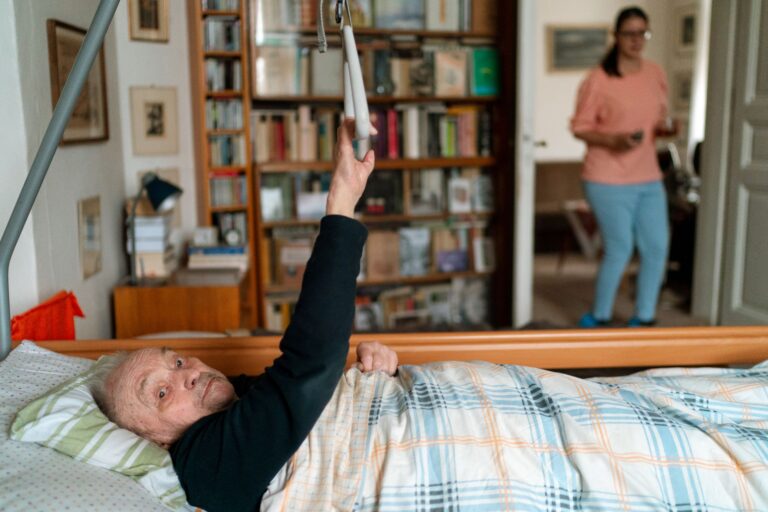
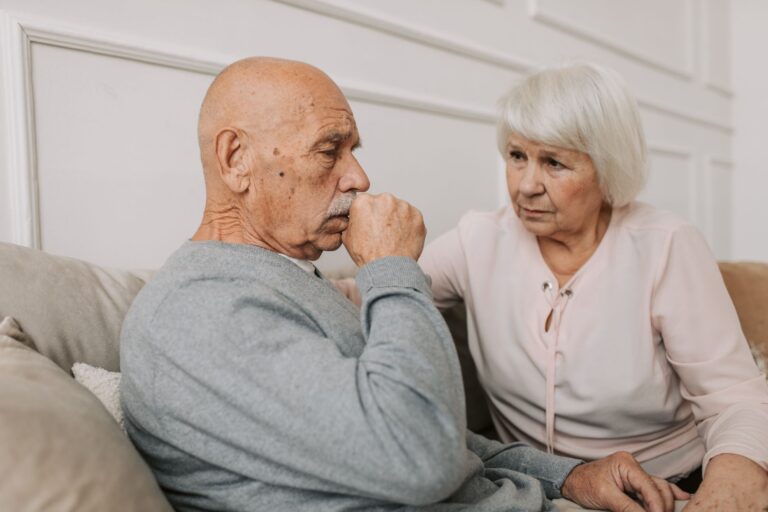
Loneliness and social isolation are distinct. You can be lonely while surrounded by people, or isolated yet content. Both, however, increase dementia risk. When someone withdraws from social activity—whether due to hearing loss, mobility problems, hearing others’ criticism, or simply habit—the brain loses the cognitive stimulation it was receiving. Without that regular mental demand, the brain begins to atrophy in regions crucial for memory and processing. The concerning part is that cognitive decline can itself trigger withdrawal. Someone with early memory problems might avoid social situations because they’re embarrassed about forgetting details or struggling to follow conversation.
This creates a negative cycle: declining cognition leads to reduced engagement, which further accelerates cognitive decline. A person might tell themselves they’re “too tired” for socializing when the real barrier is the cognitive effort required. Recognizing this pattern early and actively intervening—possibly with hearing aids, speech therapy, or modified social settings—can interrupt the cycle. Research shows that the link between loneliness and dementia risk rivals or exceeds that of many traditional risk factors like hypertension or diabetes. However, a limitation to this research is that most studies are observational, not randomized trials. It’s difficult to prove that increasing someone’s social engagement will prevent dementia, versus socially engaged people already having other protective traits. What we do know is that longitudinal studies consistently show that people who isolate themselves face steeper cognitive decline than those who remain engaged, all else being equal.
Types of Social Engagement and Which Matter Most for Brain Health
Not all social engagement has equal impact. Research distinguishes between different types: intimate relationships (spouse, close family), broader social networks (friends, neighbors), and community involvement (volunteering, classes, clubs). All three appear protective, but they may work through slightly different mechanisms. Close relationships provide emotional support that reduces stress-related inflammation in the brain. Broader networks diversify cognitive stimulation—each new person brings different conversation topics and perspectives.
Community involvement combines cognitive challenge with sense of purpose, which itself seems to protect against decline. A person who has one close relationship but no broader social network isn’t as protected as someone with multiple types of engagement. Similarly, volunteering once a month has measurable benefit, but weekly or more frequent social activity appears to create stronger protection. The pattern suggests a dose-response relationship: more frequent engagement associates with lower dementia risk, though even modest amounts provide some protection. For people with hearing loss, a common barrier to engagement in later life, group settings might be harder than one-on-one conversation. For those with mobility limitations, virtual engagement through video calls offers protection, though some research hints that in-person interaction may have slightly stronger benefits than purely virtual contact.
Building Social Habits When Isolation Feels Easier
Creating or restoring social engagement requires structural change, not just good intentions. People who successfully maintain engagement in later life often have specific routines—a weekly lunch with friends, a regular class, or a standing volunteer commitment. These routines persist even when motivation fluctuates. Without structure, social engagement becomes something people “get to” rather than something they do. For someone starting from isolation, the first step isn’t necessarily reconnecting with old friends. Joining a new group—a hobby class, a walking group, a discussion group at a library—can feel less emotionally charged than reaching out to someone after a period of silence.
New groups also offer the advantage of novelty, which itself is cognitively stimulating. The shift from “I haven’t seen my friend in five years, this will be awkward” to “I’m trying this new woodworking class” is psychologically very different. Technology offers both help and hindrance. Video calls provide real engagement, but they’re cognitively less demanding than in-person interaction. Text messaging allows connection but lacks the nuance of voice and facial expression. The most protective pattern appears to be a combination: regular in-person engagement supplemented by technology-mediated contact when distance or logistics prevent face-to-face time.
When Existing Conditions Interfere with Social Engagement
Hearing loss is among the most common barriers to social engagement in aging, yet often remains unaddressed. Someone with untreated hearing loss may withdraw from group settings because they can’t follow conversation, leading others to conclude they’ve become withdrawn or less interested. This misattribution is dangerous—the cognitive decline risk associated with untreated hearing loss is significant, and isolation compounds it. A hearing aid doesn’t restore all nuance, but it often enables someone to remain socially active, which itself provides cognitive protection. Depression frequently accompanies or precedes dementia and can manifest as social withdrawal. A person might say they “don’t feel like going out” when depression is actually driving their isolation.
Treating depression—through therapy, medication, or both—can restore engagement that protects cognition. The relationship is bidirectional: social engagement helps treat depression, and treating depression enables engagement. A warning: relying solely on family members for social engagement can be limiting. Adult children may not visit frequently, and spouses may themselves be experiencing cognitive changes. Broader community engagement—friends, classes, volunteer roles—creates a more robust and stable social network. Research on people aged 80 and older suggests that having multiple “weak ties” (acquaintances and casual friends) may be as protective or more protective than having only strong close relationships.
Social Engagement and Neuroinflammation
One mechanism through which social engagement protects the brain involves reducing chronic neuroinflammation, low-grade inflammatory processes in the brain that accelerate neurodegeneration. Loneliness and social stress trigger inflammatory pathways in the body and brain.
Conversely, positive social interaction and the sense of belonging and purpose that accompanies engagement appear to downregulate inflammatory markers. This mechanism helps explain why social engagement protects not just cognition but also overall health. The same pathways that reduce inflammation in the brain affect the body—which is partly why socially connected people recover faster from surgery, have better immune response, and live longer.
The Role of Social Engagement in Early Cognitive Changes
When someone experiences their first noticeable memory slips or lapses—forgetting why they entered a room, struggling to find a word, losing track of a conversation—social engagement becomes both harder and more critical. These early changes can make social situations feel exhausting and embarrassing, but withdrawing makes the problem worse. Maintaining engagement during this phase, potentially with accommodation (like moving to quieter settings or smaller groups), provides cognitive stimulation precisely when the brain is beginning to struggle.
People who maintain active social roles even after early cognitive changes show slower progression than those who step back. A woman who continues her weekly bridge game, with friends who don’t mind repeating themselves, may maintain that cognitive ability longer than someone who stops playing because she feels less sharp. The engagement itself becomes a form of cognitive rehabilitation, maintaining neural connections that might otherwise deteriorate.