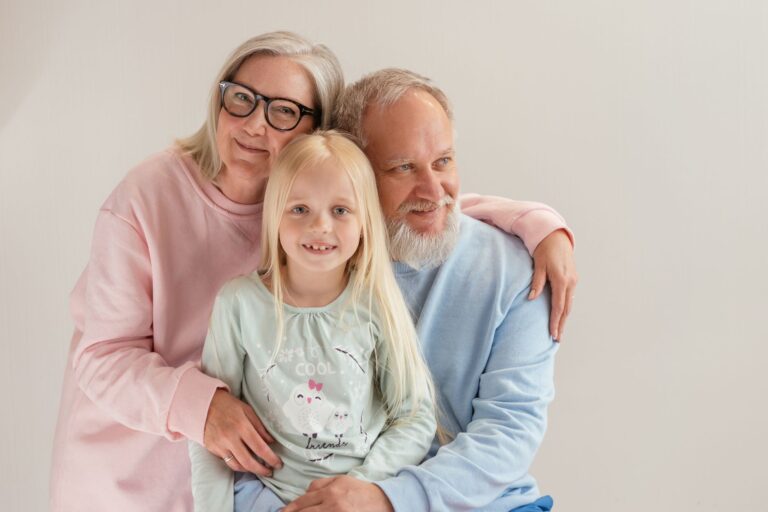
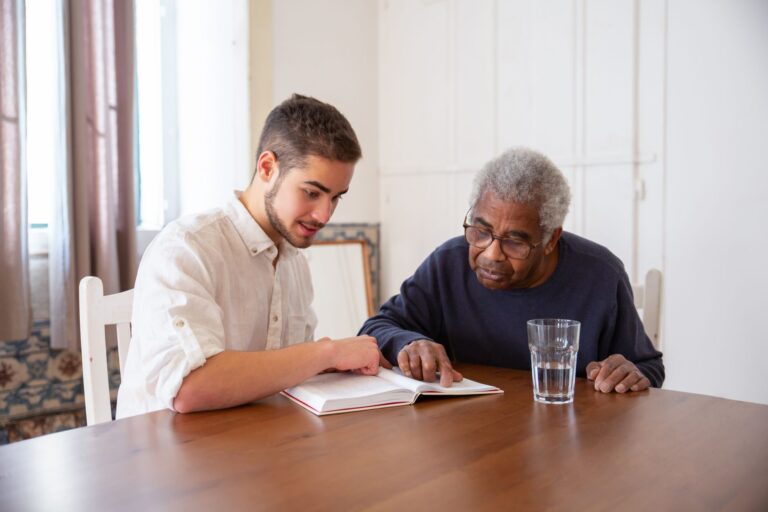
Social engagement protects the brain by stimulating mental activity, building cognitive reserve, and triggering protective neurochemical responses that reduce Alzheimer’s risk. When you participate in meaningful conversations, social activities, or collaborative pursuits, your brain forms new neural connections and strengthens existing networks—essentially building extra mental capacity that can buffer against future cognitive decline. This process isn’t metaphorical; neuroimaging studies show that regular social interaction literally changes brain structure in regions associated with memory and emotional regulation.
The evidence is substantial: adults who maintain active social lives have approximately 25 to 30 percent lower dementia risk compared to socially isolated peers. A person might live alone and participate in volunteer work, group classes, or regular dinners with family, while another might have a spouse but spend evenings in separate rooms watching television alone—and the first scenario typically offers better cognitive protection. The type and depth of engagement matter more than just being around people; a genuine conversation with one person about a meaningful topic provides more cognitive stimulus than sitting passively in a crowd.
Table of Contents
- How Does Social Engagement Actually Shield the Brain Against Decline?
- The Cognitive Risk of Social Isolation and Loneliness
- Quality of Connection: What Genuinely Protects the Brain
- Practical Pathways to Build Meaningful Social Engagement
- Limitations of Social Engagement and When It Falls Short
- How Social Engagement Shifts Across Different Life Stages
- Specific Social Activities That Combine Engagement With Cognitive Challenge
- Frequently Asked Questions
How Does Social Engagement Actually Shield the Brain Against Decline?
Social interaction demands active listening, response formulation, emotional reading, and memory recall—processes that engage multiple brain regions simultaneously. When you follow a complex story a friend is telling, process what they’re saying, remember context from previous conversations, and craft your own response, you’re exercising cognitive skills that transfer directly to daily functioning. This mental workout strengthens the prefrontal cortex (executive function), the hippocampus (memory), and temporal regions (language and emotional processing).
Unlike passive activities, social engagement requires real-time adaptation, which is precisely the kind of cognitive challenge that maintains brain plasticity. Research from the Harvard Study of Adult Development, one of the longest-running longitudinal studies in behavioral science, tracked participants over eight decades and found that quality relationships—not loneliness or drinking habits—were the strongest predictors of both cognitive health and longevity. A 76-year-old who plays bridge twice weekly with longtime friends has markedly different brain aging patterns than a 76-year-old with similar education and health status but no regular social contact. The difference appears as measurably slower cognitive decline and better-preserved gray matter volume in memory-critical areas.
The Cognitive Risk of Social Isolation and Loneliness
Loneliness acts as a systemic stressor, elevating cortisol and inflammatory markers that accumulate in brain tissue over time. Chronic inflammation accelerates the buildup of amyloid plaques and tau tangles—the hallmark pathologies of Alzheimer’s disease. Isolated individuals also experience deterioration in circadian rhythm regulation, sleep quality, and immune function, all factors that compound neurological vulnerability. A person who feels lonely, even if occasionally seeing family members, experiences different neurobiological consequences than someone who feels connected, even if they live alone and interact primarily online.
The Social Isolation and Loneliness Epidemic data shows that loneliness poses health risks equivalent to smoking 15 cigarettes daily for some age groups. This isn’t simply about feeling sad; it’s about how the nervous system responds to perceived disconnection. Importantly, loneliness and social isolation are not the same thing. Someone can be socially isolated (objectively spending time alone) but feel connected through meaningful relationships, while another person can be surrounded by family yet feel profoundly lonely—and the loneliness is the stronger predictor of cognitive decline. This distinction matters because it means increasing social contact alone may not help someone who doesn’t feel genuinely understood or valued.
Quality of Connection: What Genuinely Protects the Brain
Superficial small talk provides minimal cognitive protection compared to substantive conversation. Discussing the weather is easy; debating different approaches to a complex problem, discussing a book’s themes, or sharing difficult emotions requires your brain to work harder. A weekly book club where members genuinely engage with ideas shows stronger cognitive benefits in research studies than daily exposure to casual acquaintances. The depth of engagement—how much you must think, listen actively, and respond meaningfully—directly correlates with neuroprotection.
Regular relationships also matter more than occasional social events. Someone who has dinner with the same group of close friends weekly experiences greater cognitive benefit than someone who attends large parties monthly. Consistency allows your brain to relax into familiar relationships (which reduces some stress) while maintaining the cognitive demands of navigating ongoing, evolving dynamics. A limiting factor here is that building deep relationships requires time and often vulnerability; people dealing with depression, recent loss, or social anxiety may find it genuinely difficult to access the specific type of engagement that offers the most protection, even when intellectually understanding its importance.
Practical Pathways to Build Meaningful Social Engagement
Structured activities often prove more sustainable than aspirational social goals. Someone who commits to a Monday evening book club, a Wednesday bridge game, or a Saturday hiking group with defined participants maintains engagement more reliably than someone who vaguely intends to “call friends more often.” The structure removes decision fatigue and creates accountability. Group classes—whether art, language learning, or fitness—combine social engagement with cognitive demands, making them particularly protective. A 68-year-old learning Italian in a small class engages in real-time language processing, memory work, and social interaction simultaneously.
Volunteer work offers another pathway, pairing social engagement with purpose and contribution. Organizations need volunteers across a wide range of commitment levels and abilities, so it’s accessible even for people with some mobility limitations or social anxiety. The tradeoff is that volunteer placements sometimes involve initial onboarding and training that feels burdensome to begin, and some volunteer settings offer less genuine social connection than others. Remote volunteering or phone-based roles can reduce barriers but may provide less cognitive stimulation than in-person group work. Family engagement—particularly multigenerational activities like cooking together, playing games, or working on projects—combines social and cognitive elements effectively, though it works only when relationships are reasonably harmonious.
Limitations of Social Engagement and When It Falls Short
Social engagement reduces but does not eliminate Alzheimer’s risk. Someone could participate in multiple groups, maintain close relationships, and still develop cognitive decline. Protective factors accumulate—social engagement plus physical exercise, Mediterranean-style diet, cognitive challenges, sleep quality, and blood pressure management together create stronger protection than any single factor alone. Additionally, the relationship between social engagement and cognitive health isn’t automatically linear; someone dealing with grief, unmanaged anxiety, or depression might participate in social activities while deriving minimal benefit because their internal neurological state is dysregulated by depression’s inflammatory effects.
Quality control in social engagement also matters. Relationships that are chronically conflictual, invalidating, or emotionally abusive create stress that undermines any protective benefits of social contact. Someone in a relationship with ongoing criticism or betrayal experiences elevated cortisol despite technical social engagement. This explains why some married individuals actually show worse cognitive outcomes than single people with supportive friendships—the relationship quality, not the presence of a relationship, determines neuroprotection. Building genuine, mutually respectful connections requires sustained effort and often professional support when trauma or personality patterns interfere.
How Social Engagement Shifts Across Different Life Stages
A 45-year-old’s social protection often comes through career relationships and established friendships, while a 75-year-old may need to intentionally replace work-based social contact and accommodate mobility limitations. Retirement itself increases dementia risk for some individuals precisely because it removes structured daily social contact and cognitive demands simultaneously. The transition to retirement is cognitively riskier than remaining employed, partly because the social engagement component vanishes.
However, people who plan social activities, volunteer commitments, or hobby groups before retiring show marked differences in cognitive trajectories. For adults in their 80s and 90s, social engagement protects against cognitive decline but may look different—perhaps involving fewer people due to peer mortality, more reliance on technology, or adaptation to mobility constraints. Virtual engagement through video calls, online classes, or collaborative digital projects can provide cognitive stimulation and social connection for people unable to leave home, though research suggests in-person engagement typically offers stronger benefits. The key is maintaining some form of consistent, mutually engaging connection rather than assuming that aging inevitably means losing the protective benefits of social life.
Specific Social Activities That Combine Engagement With Cognitive Challenge
Discussion groups, game playing, and learning-based activities consistently show stronger associations with dementia risk reduction than passive social contact. A person who joins a chess club, participates in a discussion-based book group, or attends lectures followed by group discussion engages in active cognitive work combined with social interaction. Compare this to watching television with family present or sitting in a living room while others talk—technically social but cognitively minimal. Group fitness classes combining physical exercise, music, coordination, and social interaction offer compounded benefits; aerobic exercise and social engagement each independently reduce dementia risk, and combining them creates synergistic effects.
Creative classes—painting, writing, music lessons in small groups—pair cognitive challenge, fine motor skill engagement, and social participation. A 72-year-old learning watercolor in a small class receives cognitive stimulation from technique, manual dexterity engagement, social interaction with fellow learners, and the emotional reward of creative achievement. Religious or spiritual communities, when they involve engaged participation and genuine friendship rather than passive attendance, provide both social connection and often cognitive challenge through discussion, learning, or service. The measurable difference in cognitive preservation between someone attending community activities versus watching from home reinforces that active participation—thinking, speaking, contributing—creates the protective mechanism.
- —
Frequently Asked Questions
Is online social engagement as protective as in-person interaction?
Research suggests in-person connection typically offers stronger neuroprotection, partly because it engages more sensory systems and real-time responsiveness. Video calls provide meaningful benefit—better than phone calls or text—but may not equal in-person group activities. The key is genuine engagement; a surface-level online interaction offers less protection than a deep, in-person conversation.
Can a single close relationship provide as much protection as multiple friendships?
A single genuinely intimate relationship offers substantial protection, but research suggests multiple close relationships provide measurably greater cognitive benefit. The risk with relying on one person is that life changes—illness, relocation, death—remove that protection suddenly. Diverse relationships create resilience.
Does it matter if I have to force myself to be social if I’m introverted?
Research shows that cognitive protection comes from genuine engagement, not forced performance. An introvert who participates in one small book club with compatible people benefits more than an extrovert attending many shallow social events. The engagement needs to feel meaningfully connecting to you, even if it involves smaller numbers or more intimate settings.
At what age does social engagement start protecting the brain?
The relationship between social engagement and cognitive health appears across the adult lifespan. For younger adults, social engagement contributes to building cognitive reserve that provides protection decades later. For older adults with existing cognitive changes, active engagement can still slow progression. The earlier you establish patterns of meaningful social connection, the greater the accumulated benefit.
Can someone with social anxiety still benefit from protective social engagement?
Yes, though it may require finding formats that feel manageable—small groups rather than large gatherings, structured activities rather than unguided socializing, or one-on-one connections. The cognitive benefits of social engagement appear even when the person experiences anxiety during it, though personal support to manage anxiety may help access these benefits more consistently.
How much social engagement is enough to reduce dementia risk?
Research suggests that regular engagement—multiple times weekly—provides stronger protection than occasional social contact. A person with consistent weekly group activities shows better cognitive outcomes than someone who socializes sporadically. Even modest engagement beats isolation, but consistency and regularity enhance the protective effect. —