
The humanitarian impact of the 2026 Iran war on Iranian civilians is severe and accelerating. Since fighting began on February 28, 2026, documented civilian deaths have reached at least 1,407 according to the Human Rights Activists News Agency (HRANA), including 210 children. In a single airstrike on a school in Minab, Hormozgan province on the war’s first day, approximately 150 school children were among 165 people killed. Beyond fatalities, over 1,500 people under age 18 have been injured, and 3.2 million Iranians have been displaced from their homes.
This article examines the full scope of civilian suffering—from deaths and injuries to displaced populations, destroyed infrastructure, and the breakdown of essential services—all contributing to what the UN refugee agency chief has called a “profound” and “terrible humanitarian challenge.” The war has not simply claimed lives in combat zones; it has systematically targeted civilian infrastructure. Documented attacks have struck 6,668 civilian units including homes, schools, and medical facilities. Power grids have been disrupted, internet cut off, and supplies of medicine, food, and fuel have become scarce. International humanitarian organizations warn that the scale of destruction could constitute war crimes, particularly attacks on electricity and water systems that predictably harm civilians.
Table of Contents
- How Many Civilians Have Died in the Iran War?
- The Displacement Crisis: Millions Forced from Their Homes
- Infrastructure Destruction and Healthcare Collapse
- Shortages of Food, Medicine, and Essential Goods
- Psychological, Neurological, and Long-Term Health Consequences
- International Humanitarian Assessment and Warning
- The Road Ahead: Reconstruction and Long-Term Recovery
- Conclusion
How Many Civilians Have Died in the Iran War?
The death toll among Iranian civilians remains contested but substantial. Human Rights Activists News Agency (HRANA) has confirmed at least 1,407 civilian deaths since February 28, 2026. This figure includes 210 children killed and more than 1,500 people under age 18 injured, according to Iran’s health ministry. By the twenty-first day of the conflict (March 21, 2026), separate reporting indicated 595 civilians had been killed out of approximately 5,900 total deaths.
The variation in these figures reflects the difficulty of documenting casualties in active conflict and the challenge of distinguishing civilian from military deaths. The single deadliest incident was an airstrike on February 28 targeting a school in Minab, Hormozgan province. The strike killed 165 people, of whom approximately 150 were school-age children. This attack illustrates a critical concern: children make up a disproportionate share of civilian casualties, not because they are combatants but because they attend school in urban areas, travel on roads, and live in residential neighborhoods now targeted by military operations.
The Displacement Crisis: Millions Forced from Their Homes
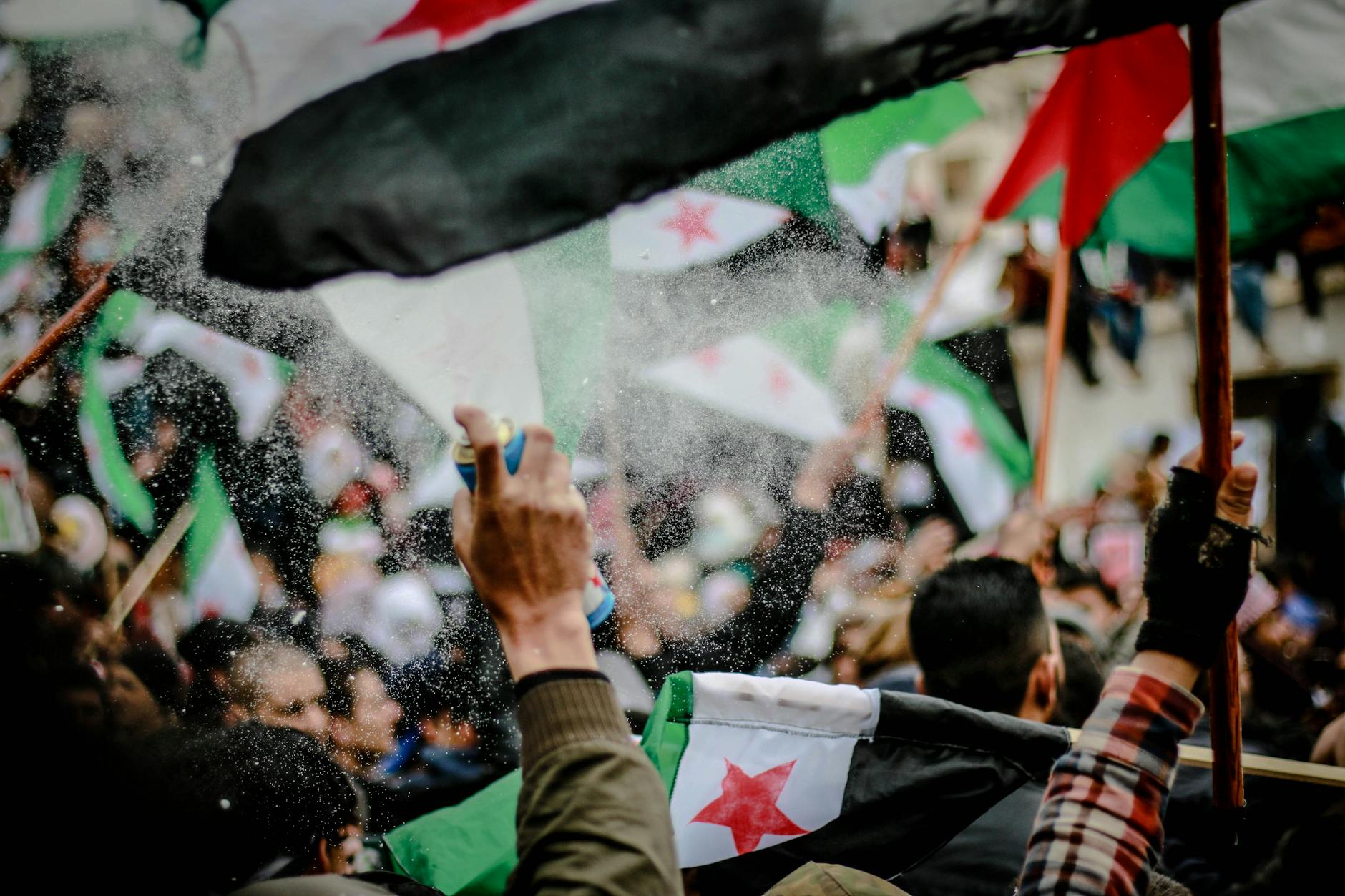
Displacement has become the defining humanitarian consequence of the war. The United Nations High Commissioner for Refugees reported that 3.2 million Iranians have been temporarily displaced within Iran. Most fled major urban centers—particularly Tehran—for perceived safer regions in northern Iran. This mass movement reflects both the immediate danger of airstrikes in population centers and the breakdown of public confidence in the safety of urban areas. The scale of displacement has overwhelmed existing shelter, healthcare, and food distribution systems. Unlike cross-border refugee crises where UNHCR and international partners can coordinate response, internal displacement in an active conflict zone is far more difficult to manage.
Displaced families may have escaped with little more than what they could carry. Government capacity to receive and shelter them is strained by the broader war effort. The lack of access to normal employment, schooling, and services creates secondary harm that will extend far beyond the conflict itself. However, if the war were to end imminently, return and reconstruction would face enormous obstacles. Millions of homes have been damaged or destroyed, making resettlement of the displaced population impossible on any near timeline. The combination of death, injury, displacement, and destroyed homes has created a compounding humanitarian emergency.
Infrastructure Destruction and Healthcare Collapse
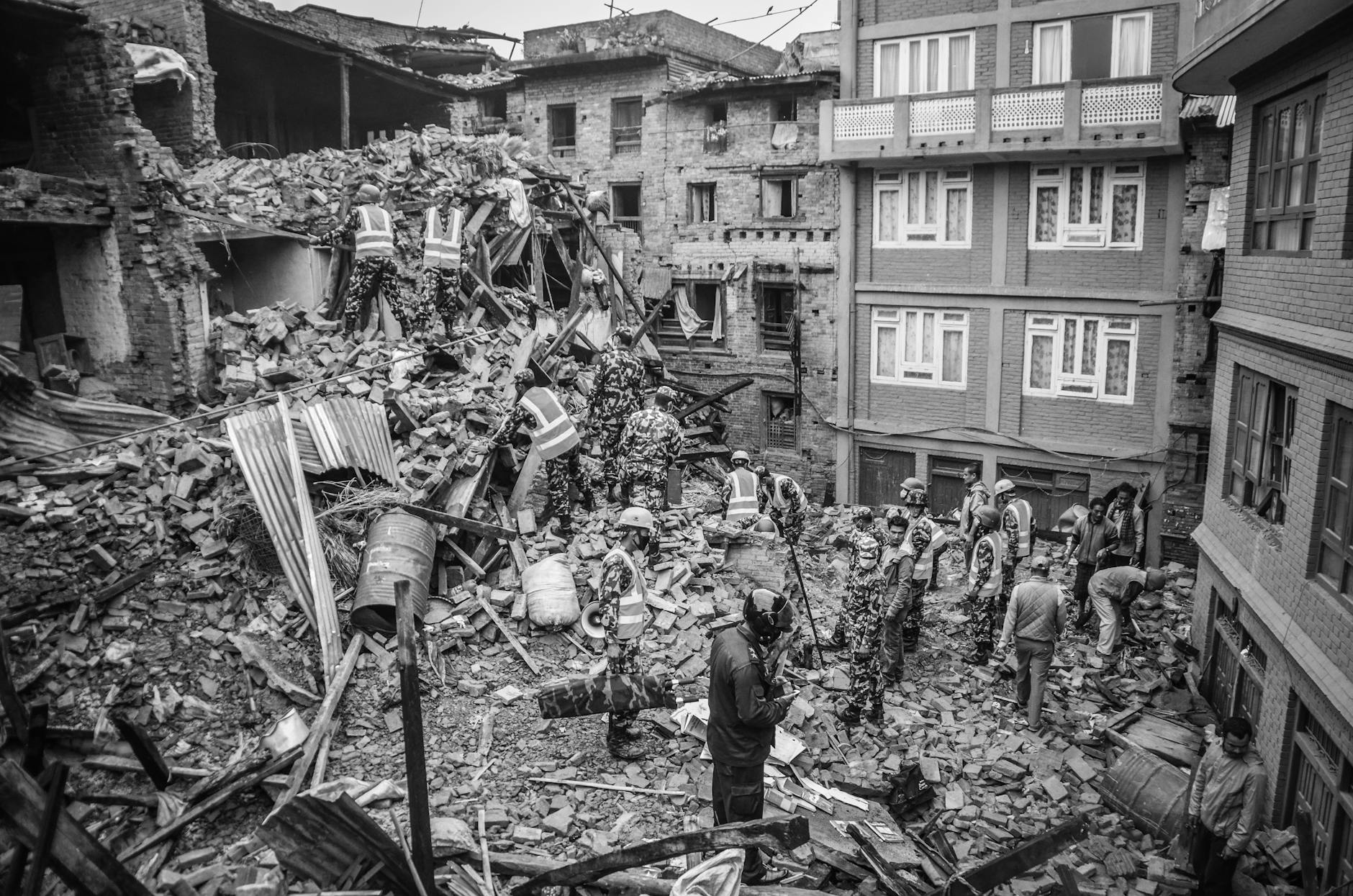
The targeting of civilian infrastructure has been systematic. Documented attacks have struck 6,668 civilian units: 5,535 residential homes, 1,041 commercial buildings, 14 medical centers, and 65 schools. Beyond individual buildings, broader infrastructure has been damaged. Three hundred health and emergency facilities have been damaged or destroyed. Seventeen Iranian Red Crescent facilities have been struck, with 94 ambulances and 1 relief vehicle destroyed or damaged. These losses directly impair the ability to treat wounded civilians and deliver emergency care. The destruction of medical infrastructure compounds the immediate casualties from combat.
Survivors of airstrikes cannot reach functioning hospitals. Patients with chronic diseases—including neurological conditions like dementia—cannot access ongoing treatment and medication. Pregnant women cannot reach maternity care. The collapse of emergency response capacity means that injuries that would be survivable with prompt medical attention instead become fatal or permanently disabling. An internet shutdown imposed during the war has cut Iranians off from outside communication and critical information about safe routes, shelter, and medical assistance. This information blackout prevents people from locating functioning hospitals or coordinating with family members who may be separated. For elderly Iranians and those with cognitive decline, the sudden loss of ability to contact family and navigate a radically altered environment creates acute psychological distress and danger.
Shortages of Food, Medicine, and Essential Goods
Conflict disruption has produced acute shortages of medicine, infant formula, and fuel. These are not luxuries but necessities for survival, particularly for infants and the elderly. Shortages of fuel limit transport of goods, heating in winter, and operation of generators that power hospitals and water systems. Medicine shortages affect millions with chronic conditions—diabetes, hypertension, neurological disease—who depend on uninterrupted medication supply. The global humanitarian supply chain has been disrupted as well. On March 1, 2026, the Jebel Ali port in Dubai caught fire from debris of intercepted Iranian missiles.
Dubai’s port is a critical transshipment hub for humanitarian goods destined for the Middle East and South Asia. The damage disrupts not just aid to Iran itself but to neighboring countries. This demonstrates how regional conflict’s consequences extend beyond immediate combatants. Infant formula shortages pose immediate life-threatening risk to babies. Without formula—whether due to supply interruption or inability to purchase it—infants face malnutrition and dehydration. Elderly people with swallowing difficulties or cognitive decline rely on specific nutrition products. The combination of displaced populations, destroyed markets, fuel shortages, and logistics disruption creates a situation where basic nutritional needs become difficult to meet, leading to secondary mortality and morbidity.
Psychological, Neurological, and Long-Term Health Consequences
The psychological impact on civilian populations is severe. Three million people displaced, millions more sheltering from airstrikes, witnessing death and destruction, losing homes and livelihoods—these experiences produce acute trauma. Children exposed to combat violence show measurable impairment in cognitive development and emotional regulation that can persist for years. Adults experience anxiety, depression, post-traumatic stress, and grief that affects their capacity to function and care for family members. For people already living with dementia and cognitive impairment, the chaos of displacement, loss of familiar environments, and disruption of routine medical care accelerates cognitive decline. Dementia patients depend on structure, familiar caregivers, and stable medication regimens. War disrupts all three.
Medications are unavailable. Caregivers are displaced or killed. The familiar home environment is destroyed. These disruptions trigger behavioral crises, accelerated decline, and preventable death in a vulnerable population. The long-term neurological consequences of this war will extend for decades. Children born in the coming years to mothers who experienced stress and malnutrition during pregnancy show higher rates of neurodevelopmental problems. Survivors of traumatic brain injury from airstrikes may face permanent cognitive and physical disability. The combination of acute trauma exposure, malnutrition, medicine shortages, and healthcare system collapse creates conditions for widespread neurological harm that extends beyond combat casualties to the broader civilian population.

International Humanitarian Assessment and Warning
The UN Fact-Finding Mission issued a statement in March 2026 warning that Iranian civilians are caught between “ongoing armed hostilities and repression that has reached unprecedented levels, which may amount to crimes against humanity.” This assessment reflects documentation that civilian suffering is not an accident of war but a foreseeable consequence of targeting decisions and infrastructure attacks. When military forces strike electricity systems and water infrastructure, they know that civilians depend on these systems.
The suffering that follows—disease from contaminated water, illness from disrupted medicine supply, preventable death from lack of heating—is foreseeable. Amnesty International warned specifically that attacks on electricity and water systems could constitute war crimes under international humanitarian law, precisely because the civilian harm is predictable and severe. The UN refugee agency chief Barham Salih stated on March 25, 2026 that the humanitarian impact on civilians is “profound” and poses a “terrible humanitarian challenge.” These assessments from independent human rights organizations and UN agencies are not political rhetoric but documented observation of the civilian toll.
The Road Ahead: Reconstruction and Long-Term Recovery
If the war ends, humanitarian challenges will shift from survival under active conflict to reconstruction and recovery. Three million displaced people will need to return to or rebuild homes. Six thousand civilian buildings will need repair or rebuilding. Three hundred health facilities will need to be restored. The immediate medical and psychological needs will be urgent—treating injuries, providing emergency mental health services, restoring medicine supply.
The longer-term needs will be equally profound: rebuilding schools, restoring electricity and water systems, addressing the psychological trauma and neurological consequences of a generation exposed to warfare. Recovery will be complicated by the destruction itself. Families have lost homes, savings, and livelihood capacity. Economic disruption from war damage will limit resources available for reconstruction. International assistance will be necessary but may be limited by ongoing political tensions. The humanitarian impact of this war will not end when fighting stops—it will define the health, psychological wellbeing, and cognitive development of Iranian civilians for decades to come.
Conclusion
The humanitarian impact of the 2026 Iran war on Iranian civilians is profound and ongoing. At least 1,407 confirmed civilian deaths, 210 children killed, and over 1,500 young people injured represent direct casualties. Displacement of 3.2 million people, destruction of thousands of civilian buildings and hundreds of health facilities, shortages of medicine and food, and disruption of essential services including internet and electricity create additional layers of suffering and secondary harm. For vulnerable populations—children, the elderly, those with chronic disease including dementia—the impact is amplified.
The documented targeting of civilian infrastructure and the predictable consequences for population health have raised serious concerns from international human rights organizations about potential war crimes. The immediate priority is protecting remaining civilians from further harm and providing emergency humanitarian assistance. As conflict eventually resolves, the long-term challenge will be addressing the neurological, psychological, and physical health consequences that will persist in Iranian civilian populations for years. Rebuilding infrastructure is essential but will be insufficient to address the human damage this war has caused.




