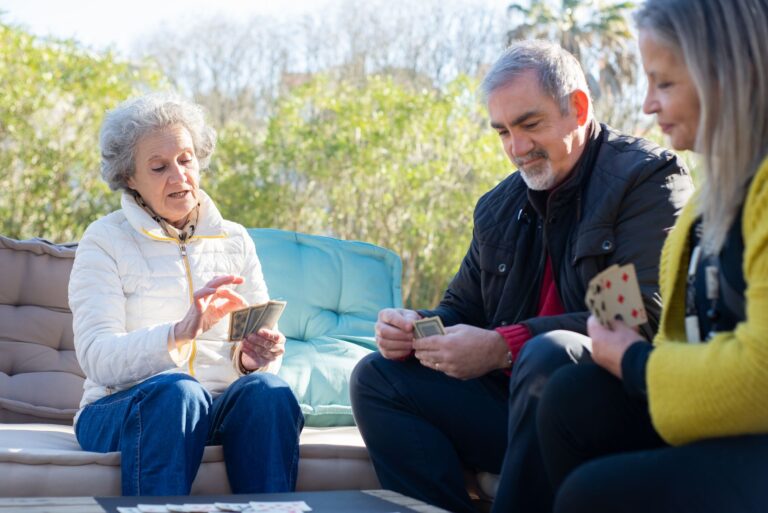
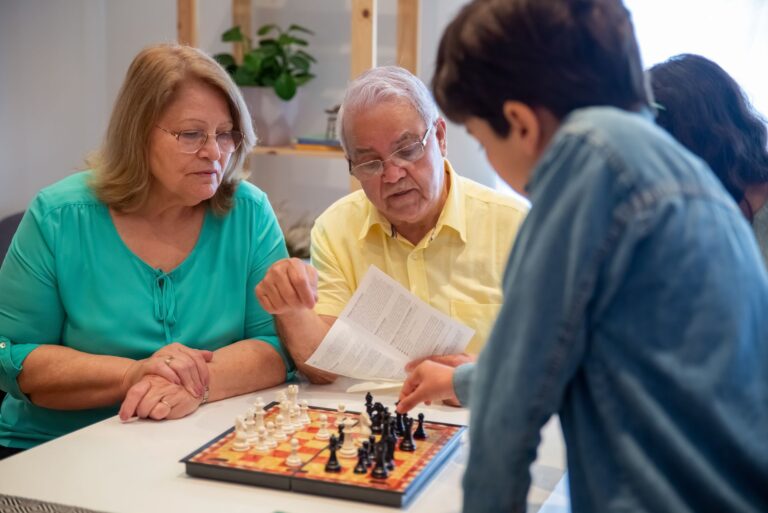
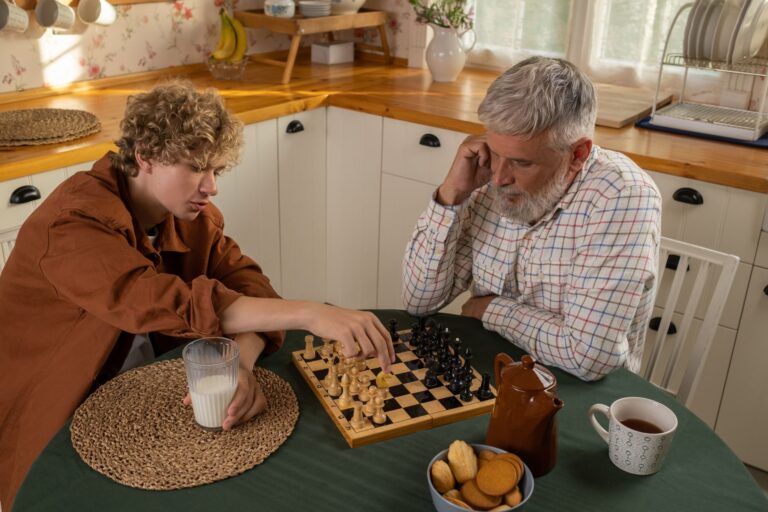
A dementia care specialist is a trained advisor who helps families understand memory changes, plan care, and find local support. For your family, that means free information, memory screening, care planning, and caregiver support aimed at helping your person remain at home. According to the Wisconsin Department of Health Services, the state funds specialists in local Aging and Disability Resource Centers to provide that free help (program details). The Alzheimer's Association and similar groups offer one-on-one consultations with a dementia expert for the same purpose.
Medical information disclaimer: This article is for general educational purposes only and does not provide medical advice, diagnosis, or treatment. Always consult a physician or other qualified health professional about symptoms, medications, tests, or treatment decisions.
Table of Contents
- What happens in a first meeting?
- How do they connect you to local help?
- How do they help with behavior and communication?
- What changes make home safer?
- What are the limits and next steps?
What happens in a first meeting?
The first meeting focuses on your current concerns and next steps. The specialist asks about memory changes, daily tasks, safety, and caregiver stress. A brief memory screen can clarify whether further medical follow-up makes sense. In some programs, you leave with a tailored written action plan.
According to the Alzheimer's Association Northeastern New York Chapter, its care consultations pair families with a master's-level expert who builds a plan covering care needs, safety, community resources, and legal and financial issues (consultation description). That plan gives each family member a clear role. Bring medication lists, recent changes, and questions about driving, work, and daily supervision. Bring the main caregiver plus one backup person when possible. Clear notes help the specialist match you to the right services faster.
How do they connect you to local help?
Specialists know the local support map and make direct referrals. Common referrals include support groups, memory cafes, respite care, crisis help, memory clinics, and caregiver programs. One widely used option is the National Family Caregiver Support Program. That local match matters because needs shift over time.
Early on, a memory cafe and education class may be enough. Later, respite, in-home help, or crisis contacts become more urgent. Ask what has openings now, what has a waitlist, and who to call after hours. Keep phone numbers in one place. Recheck the plan every few months or after a fall, hospital visit, or behavior change.
How do they help with behavior and communication?
Specialists coach families on calmer daily interactions. According to the National Institute on Aging, useful tactics include short one-idea sentences, calm tone, extra response time, acknowledging feelings, and redirecting rather than arguing (coping strategies). Families practice these skills for wandering, confusion, agitation, and repeated questions. The goal is less conflict and more cooperation. For example, offer one simple choice instead of three.
Allow more time for an answer before repeating the question. Step back, validate the feeling, then guide toward a safe activity. Track what starts the behavior, what you tried, and what helped. Note time of day, hunger, pain, noise, and fatigue. Share that log with the specialist to adjust routines.
What changes make home safer?
Specialists walk through practical home-safety steps. According to the National Institute on Aging, common actions include removing hazards, locking doors with high or low locks, posting emergency numbers, using medical ID jewelry, and enrolling in return programs such as MedicAlert plus Alzheimer's Association Safe and Found (home safety guide). Small fixes often prevent wandering, burns, falls, and missed medication. Start with exits, kitchen, bathroom, and medications.
Lock away cleaning products, tools, sharp items, and extra drugs. Use night-lights, grab bars, non-slip mats, and a simple daily check-in. Revisit safety after any change in sleep, walking, vision, or judgment. What was safe last month may not be safe now. Ask the specialist for a fresh home review when risk rises.
What are the limits and next steps?
Specialists and memory screens do not diagnose dementia or prescribe treatment. A clinician or memory clinic must still evaluate the cause and guide medical care. Certification also varies, with one common path being Certified Dementia Practitioner after qualifying work, about one year of experience, and an approved care seminar.
For triage, call a local Aging and Disability Resource Center specialist or the Alzheimer's Association 24/7 Helpline at 800-272-3900. Ask whether a prompt clinic visit is needed and which records to bring. Keep the specialist involved for planning and caregiver support while medical care proceeds.