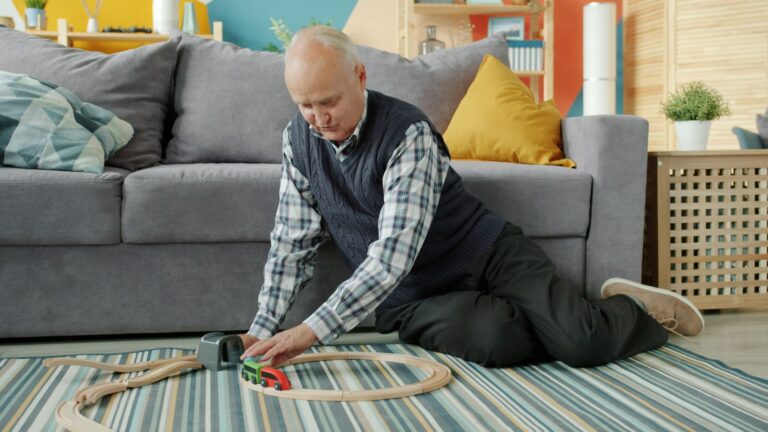
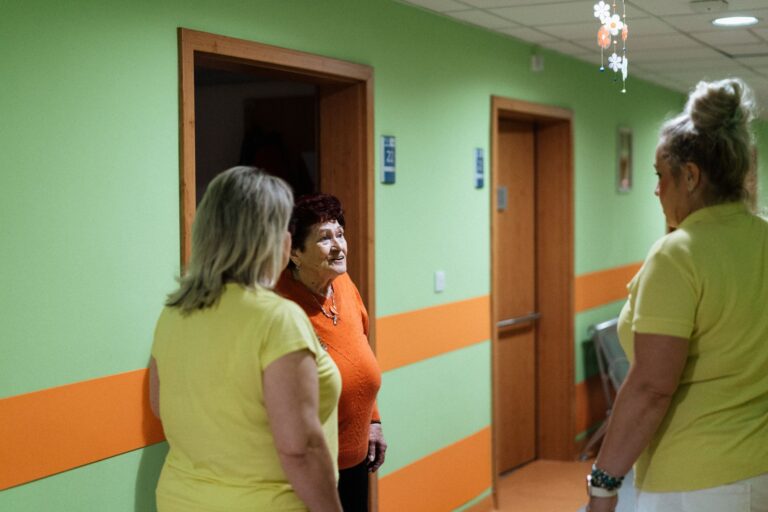
Look for kind staff interaction, clean and safe rooms, comfortable mealtimes, and planned activities. Tour nearby dementia care homes — licensed residences that house and supervise people with memory loss — several times at different hours.
The Alzheimer's Association tells families to judge staff, environment, programs and treatment. Watch daily life, not the lobby show. Ask how families join care planning and how the home handles supervision and dementia-related behaviors.
Medical information disclaimer: This article is for general educational purposes only and does not provide medical advice, diagnosis, or treatment. Always consult a physician or other qualified health professional about symptoms, medications, tests, or treatment decisions.
Table of Contents
- Tour more than once
- How do staff treat residents?
- How does the home prevent wandering?
- What do meals and daily life look like?
- How do you check ratings and inspection reports?
Tour more than once
The National Institute on Aging advises families to make several visits at different times of day and evening touring advice for Alzheimer's care. Watch how staff speak to residents during busy moments. Check bathrooms, bedrooms, hallways and outdoor areas for cleanliness and fall hazards.
Come once unannounced. Compare the posted activity calendar and staffing with what you see. Visit during a meal and an evening shift.
How do staff treat residents?
Watch tone, patience and response time. Do aides use names, explain each step and stay calm under pressure. Note call-light waits and how staff redirect confusion or agitation.
The Alzheimer's Association guide updated July 2024 says to ask about dementia-care training and staffing levels residential-care guide. Ask: Also ask whether families are encouraged to join care planning. Ask who provides medical care and how the home supervises residents. Ask how staff respond to dementia-related behaviors.
- Is staff trained in dementia care, how long does it last, what topics are covered, and is it state-required
- What is the resident-to-staff ratio by day, evening and night
- What is staff turnover
How does the home prevent wandering?
Six in 10 people living with dementia will wander at least once, says the Alzheimer's Association wandering safety information. Test what happens at exits. Ask for the written protocol when a resident approaches a door or is found outside.
Look for secured or alarmed exits, access codes and safe outdoor areas. Ask who monitors doors and how visitors enter. Walk from bedroom to common room and note locks, noise and lighting.
What do meals and daily life look like?
The National Institute on Aging notes many assisted living and nursing homes offer personal care, meals, social activities and medical services. Some have a separate dementia special-care unit — a designated wing for people with memory loss — with specially trained staff. Ask if such a unit exists and how it is licensed.
Sit through a meal. Check if mealtimes feel calm, food looks appetizing and staff help without rushing. Ask what activities are planned today, who leads them and how residents with different abilities join in.
How do you check ratings and inspection reports?
For nursing homes, Medicare's Care Compare publishes CMS Five-Star ratings of 1 to 5 stars, reports the Centers for Medicare and Medicaid Services about Nursing Home Compare. Ratings cover overall performance plus health inspections, staffing and quality measures. Staffing scores use payroll-verified nurse hours per resident day, turnover and weekend coverage.
The CMS Five-Star system covers only Medicare and Medicaid-certified nursing homes, about 16,000 nationally. It does not rate state-licensed assisted living or memory care. Ask the state licensing office for the inspection report, then verify staffing, activities and safety on your unannounced tour.