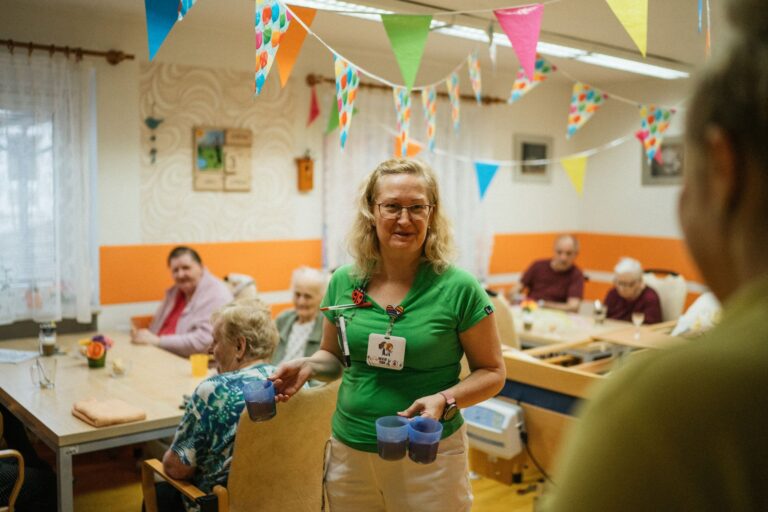
A dementia care certification program covers how to understand dementia, communicate clearly, and support daily life safely. It also covers behavior changes, safe surroundings, care planning, and support for families through late-stage care. A dementia care certification is training plus an assessment that shows a caregiver learned those skills. Programs differ by provider and state, but strong programs teach the same core: person-centered care, daily support, communication, safety, and teamwork with families.
Medical information disclaimer: This article is for general educational purposes only and does not provide medical advice, diagnosis, or treatment. Always consult a physician or other qualified health professional about symptoms, medications, tests, or treatment decisions.
Table of Contents
- How programs teach dementia basics
- What daily support and communication include
- How programs address behavior and safety
- Planning, family support, and end-of-life care
- Will a certificate meet job requirements
How programs teach dementia basics
The Alzheimer's Association says essentiALZ covers Alzheimer's and dementia basics, person-centered care, assessment and care planning, activities of daily living, and communication changes with dementia-related behavior, described in the Alzheimer's Association training description. That foundation helps caregivers link symptoms to care choices.
Required state training can be more specific. The Washington State Legislature requires dementia-specialty lessons on common signs, types and stages, look-alike conditions, and positive versus negative interactions, listed in the state training rule. This helps caregivers avoid mistaking medication effects, depression, or delirium for dementia.
What daily support and communication include
Daily support means help with bathing, dressing, eating, mobility, comfort, and routine. Detailed class lists from Delaware Hospice also include personal care, pain, nutrition, and structured activities. Caregivers learn to offer choices, protect dignity, and adjust the pace to the person.
Communication training focuses on short sentences, calm tone, eye contact, and waiting for a reply. The National Council of Certified Dementia Practitioners lists compassionate communication and daily-living support among its core topics. Caregivers also practice reading facial expressions and body language when words fade.
- Use one step at a time and show the object or motion.
- Keep the setting quiet, face the person, and allow extra time.
- Respond to the feeling behind repeated questions or protests.
- Record what works and share it with the care team and family.
How programs address behavior and safety
Behavior lessons explain why refusal, pacing, shouting, or suspicion can signal pain, fear, hunger, fatigue, or overstimulation. The National Council of Certified Dementia Practitioners includes behavioral expressions, dementia-friendly environments, and fall prevention in its 12-module seminar. Caregivers learn to change the trigger, not argue with the person.
Other lessons address depression, sleep problems, delusions and hallucinations, intimacy and sexuality, and spirituality, according to the National Council of Certified Dementia Practitioners. Safety lessons cover lighting, noise, clutter, wandering risk, bathroom and kitchen hazards, and fall prevention. Cultural respect matters too, with attention to language, food, faith, family roles, and personal boundaries.
Planning, family support, and end-of-life care
Assessment and care planning teach caregivers to spot needs, set goals, and update the plan as dementia changes. Programs also cover staff and family support, including grief, stress, and conflict over decisions. Diversity and cultural competence help teams tailor plans without stereotypes.
Late-stage lessons address comfort, reduced appetite, swallowing changes, restlessness, and spiritual needs. The National Council of Certified Dementia Practitioners includes end-of-life care in the seminar that is the required first step for Certified Dementia Practitioner certification and covers 12 modules in about 7 hours, according to the NCCDP seminar page. Caregivers learn when to call the nurse, hospice team, or clinician.
Will a certificate meet job requirements
A certificate supplements but does not replace state, employer, or aide requirements. There is no single universal U.S. caregiver license, and some states add separate dementia-hours mandates for memory-care staff.
Practical training format also varies; the Alzheimer's Association describes essentiALZ as self-paced online training in English and Spanish for professional providers in long-term and community-based settings, with certification plus continuing education credit. Ask the employer or state agency which program they accept before paying. Confirm hours, language, in-person skills checks, background checks, and renewal rules.