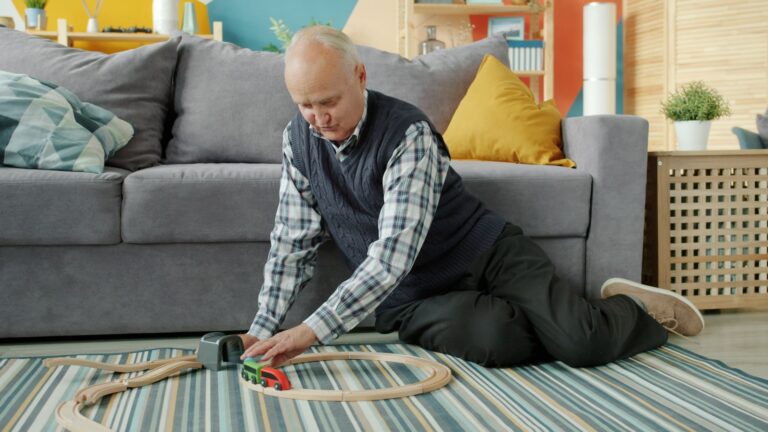
Playing with toys supports brain health in seniors by exercising memory, problem-solving and processing speed. Seniors who regularly use puzzles, cards, chess, bingo, crosswords and board games keep sharper thinking and decline more slowly.
Mild impairment means thinking problems beyond normal aging but not dementia. Here toys means playful thinking tools, not children's toys alone. Cards, jigsaws, crosswords, chess and board games all count.
Medical information disclaimer: This article is for general educational purposes only and does not provide medical advice, diagnosis, or treatment. Always consult a physician or other qualified health professional about symptoms, medications, tests, or treatment decisions.
Table of Contents
- What counts as a brain-healthy toy?
- What difference does regular play make?
- How can seniors build a play habit?
- Where are the limits to expect?
What counts as a brain-healthy toy?
Psychologists at the University of Edinburgh tested more than 1,000 adults at ages 70, 73, 76 and 79. Regular players of cards, chess, bingo and crosswords scored better on memory, problem-solving, speed and general thinking, as reported in the Edinburgh games research.
Doctors at NewYork-Presbyterian/Columbia compared 12 weeks of crosswords with computerized games in 107 adults with mild cognitive impairment. The crossword group improved thinking scores while the games group did not, with less brain shrinkage at 78 weeks, as described in the Columbia crossword trial summary. Familiar low-tech play can beat flashy digital training.
What difference does regular play make?
Researchers in the French Paquid cohort followed older adults for years. Regular board-game players had 15% lower dementia risk than non-players after adjustment for age, sex, education and other factors, according to the BMJ Open board-game analysis.
People who increased non-digital play during their 70s showed less decline, especially in memory and processing speed. In the Active Brains trial, University of Southampton researchers found online brain exercises plus brief nurse support produced 18% less mild impairment than brief advice alone, reported in the Southampton Active Brains results. Small supported habits mattered.
How can seniors build a play habit?
Pick one game the person already enjoys and can do without pain. Add a second person when possible, because social play adds talk, laughter and routine. Keep sessions short, regular and easy to start.
- Choose crosswords, jigsaws, cards, chess, bingo or a favorite board game
- Play in a bright, quiet spot with glasses and hearing aids in place
- Mix thinking play with walks, social time and healthy meals
- Ask a nurse, librarian or family member for reminders and new puzzles
Where are the limits to expect?
Play supports thinking but does not guarantee prevention of dementia. Illness, medicines, poor sleep, low mood and hearing loss can still drag scores down. Treat play as one part of care, not a treatment alone.
Use added support when memory slips. Brief advice helps, and short check-ins by phone or email improve follow-through. Change the game if it causes frustration, fatigue or embarrassment, and keep the focus on enjoyment and contact.