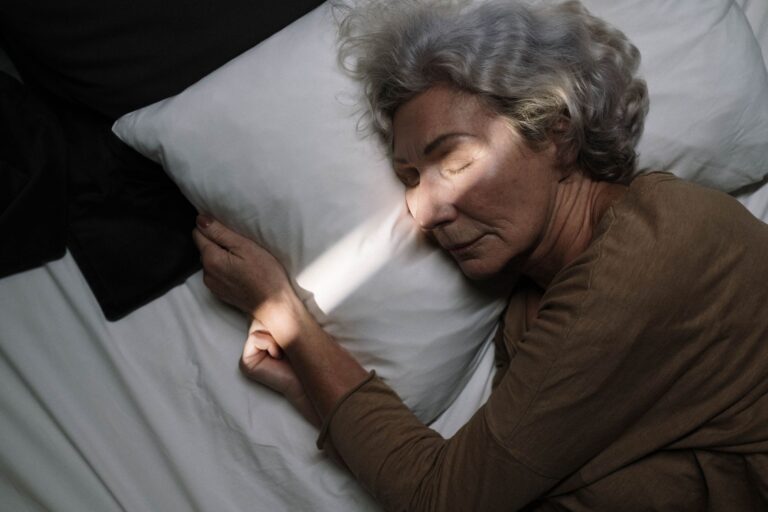
Record heat sits at the center of this dementia and brain health question.
In mid-March 2026, unprecedented heat forced cities across the American Southwest to issue emergency weather advisories, with nearly 40 million people placed under Extreme Heat Warnings and Heat Advisories. On March 17-18, Yuma, Arizona recorded a national high of 109°F for the month of March, while Martinez Lake in Arizona shattered the all-time March temperature record at 110°F—temperatures more typical of peak summer than early spring. Phoenix reached 105°F, marking the earliest triple-digit day the city has ever recorded. This article explores what triggered these emergency declarations, why the record heat poses particular risks to older adults and people with dementia, and what caregivers need to know to keep vulnerable family members safe during heat emergencies.
Cities didn’t issue these advisories lightly. Over 1,500 temperature records were broken across 13 states in a single week, with at least 95 locations setting new daily records or tying all-time warmest March days. Temperatures ran 20-30 degrees above normal for multiple consecutive days straight. When meteorologists and public health officials see data like this, they activate emergency protocols because the human body—especially aging brains—struggle to adapt to such rapid, extreme shifts.
Table of Contents
- What Do Record-Breaking March Temperatures Tell Us About Heat Risk?
- Why Are Heat Advisories Being Issued Across Multiple States Right Now?
- How Does Extreme Heat Affect Brain Function and Dementia Risk?
- What Should Caregivers Do During Emergency Heat Warnings?
- What Are the Warning Signs of Heat-Related Illness in Dementia Patients?
- How to Prepare Your Home and Care Plan for Extreme Heat Events
- What Do These Record Temperatures Tell Us About Future Heat Risk?
- Conclusion
What Do Record-Breaking March Temperatures Tell Us About Heat Risk?
The numbers from March 2026 are staggering, but they matter most when we understand what they mean in practical terms. A 109°F day in mid-March is not just hot—it’s a weather event so unusual that many residents, infrastructure, and vulnerable individuals haven’t had time to acclimate. air conditioning systems that aren’t typically running in March get overwhelmed. Electrical grids strain. And perhaps most critically, people’s bodies haven’t adjusted to the kind of heat stress that comes with truly extreme temperatures.
For older adults and those with dementia, this kind of sudden heat spike creates a dangerous mismatch. The body’s natural cooling mechanisms—sweating, increased thirst, behavioral changes like seeking shade—often malfunction in people with cognitive decline. A person with advanced dementia might not recognize that they’re overheated. They may refuse to drink fluids or move to a cooler location. Unlike younger, healthy adults who can often weather a heat wave with minor discomfort, older brains and aging bodies are far more vulnerable to heat-related illness and, in severe cases, to cascading neurological damage.

Why Are Heat Advisories Being Issued Across Multiple States Right Now?
The scope of the March 2026 heat event demanded emergency action. Los Angeles County issued advisories effective through at least March 20, with extreme heat warnings covering western Pima County, Tucson Metro, South Central Pinal County, and as far north as Denver and Las Vegas. These weren’t scattered, localized hot days—they were coordinated, region-wide temperature spikes that threatened public health on a massive scale. Cities activate Extreme Heat Warnings when forecasts show dangerous conditions are imminent or already occurring.
A Heat Advisory typically means heat index values will reach the mid-90s to low 100s; an Extreme Heat Warning signals even more dangerous thresholds. When 40 million people are under these warnings simultaneously, it signals a coordinated failure of typical cooling systems, transportation, and outdoor work—a situation where hospitals fill up, elderly people in non-air-conditioned housing face real danger, and the usual coping mechanisms break down. However, if someone is already managing a chronic condition, on multiple medications, or living with cognitive decline, even a “normal” heat advisory becomes a critical health event. The warning system assumes that people can recognize overheating, seek cool places, drink water, and adjust their behavior. For dementia patients, these assumptions often don’t hold.
How Does Extreme Heat Affect Brain Function and Dementia Risk?
Heat stress doesn’t just make you uncomfortable—it directly impacts brain function. When core body temperature rises, the brain’s ability to regulate itself becomes compromised. Blood vessels dilate to push more blood toward the skin for cooling, which can reduce blood flow to the brain itself. Dehydration—often accompanying heat exposure—further compromises cognitive function. For someone already managing dementia, these physiological stresses can accelerate decline, trigger delirium, or lead to acute behavioral changes. Research shows that older adults’ brains are slower to perceive overheating and slower to trigger appropriate responses.
A 70-year-old may not feel thirsty until severely dehydrated, whereas a younger adult’s thirst mechanism kicks in earlier as a warning signal. In dementia, this delayed perception becomes a genuine danger: the person may be overheating dangerously while their brain is sending no clear alarm. They might become confused, agitated, or withdrawn—symptoms that caregivers might misinterpret as mood changes rather than heat illness. Additionally, some common dementia medications can interfere with the body’s ability to regulate temperature. Antipsychotics and anticholinergic drugs reduce sweating, making it harder for the body to cool itself. If a family member is on these medications and exposed to 105°F heat, the risk of heat stroke or heat exhaustion rises substantially compared to someone not taking these drugs.

What Should Caregivers Do During Emergency Heat Warnings?
During an Extreme Heat Warning, the first step is to assume that your loved one with dementia cannot reliably recognize or respond to overheating on their own. This means taking active control of their environment and intake. Keep them in air-conditioned spaces during the peak heat hours (typically 10 a.m. to 4 p.m.). If air conditioning isn’t available at home, have a plan to relocate to a cooling center, mall, library, or other public space with reliable AC. Second, implement a structured hydration schedule. Don’t rely on your loved one to ask for water—offer it regularly throughout the day, every 30 minutes or more frequently in heat.
Offer water-rich foods like watermelon, cucumber, or ice chips if they resist plain water. Check skin turgor (pinch skin on forearm; it should bounce back immediately), monitor urine color (should be pale yellow, not dark), and watch for signs of dehydration like dry mouth or confusion. Third, dress appropriately. Lightweight, light-colored, breathable clothing helps the body shed heat. Avoid tight clothing or heavy blankets, even if your loved one prefers them out of habit. Check body temperature regularly, especially if they show signs of confusion, irritability, or lethargy. A rectal thermometer is most accurate; if core temperature exceeds 103°F, call emergency services immediately. The trade-off here is between respecting your loved one’s autonomy and maintaining their safety—during a heat emergency, safety wins.
What Are the Warning Signs of Heat-Related Illness in Dementia Patients?
Heat exhaustion and heat stroke present differently in older adults than in younger people. You might not see the dramatic collapse or confusion that television portrays. Instead, watch for subtle changes: increased confusion or delirium (worse than their baseline), personality changes, sudden irritability or withdrawal, slurred speech, or loss of coordination. An older person with heat stroke might sit quietly, seeming almost calm, while their core temperature climbs dangerously. Physical signs include rapid or weak pulse, pale or flushed skin, rapid but shallow breathing, and cessation of sweating (paradoxically, very severe heat stroke can cause the body to stop sweating).
Nausea, headache, or muscle cramps may appear. Because dementia impairs communication, you can’t rely on your loved one to tell you “I have a headache” or “I feel faint.” You must observe behavior and physical status closely. A critical warning: if someone with dementia becomes confused, disoriented, or unresponsive during a heat event, call 911 immediately. Don’t wait to see if they improve on their own. Heat stroke is a medical emergency, and delays in treatment can cause permanent brain damage or death. The line between heat exhaustion and heat stroke narrows quickly in older adults, making early intervention essential.
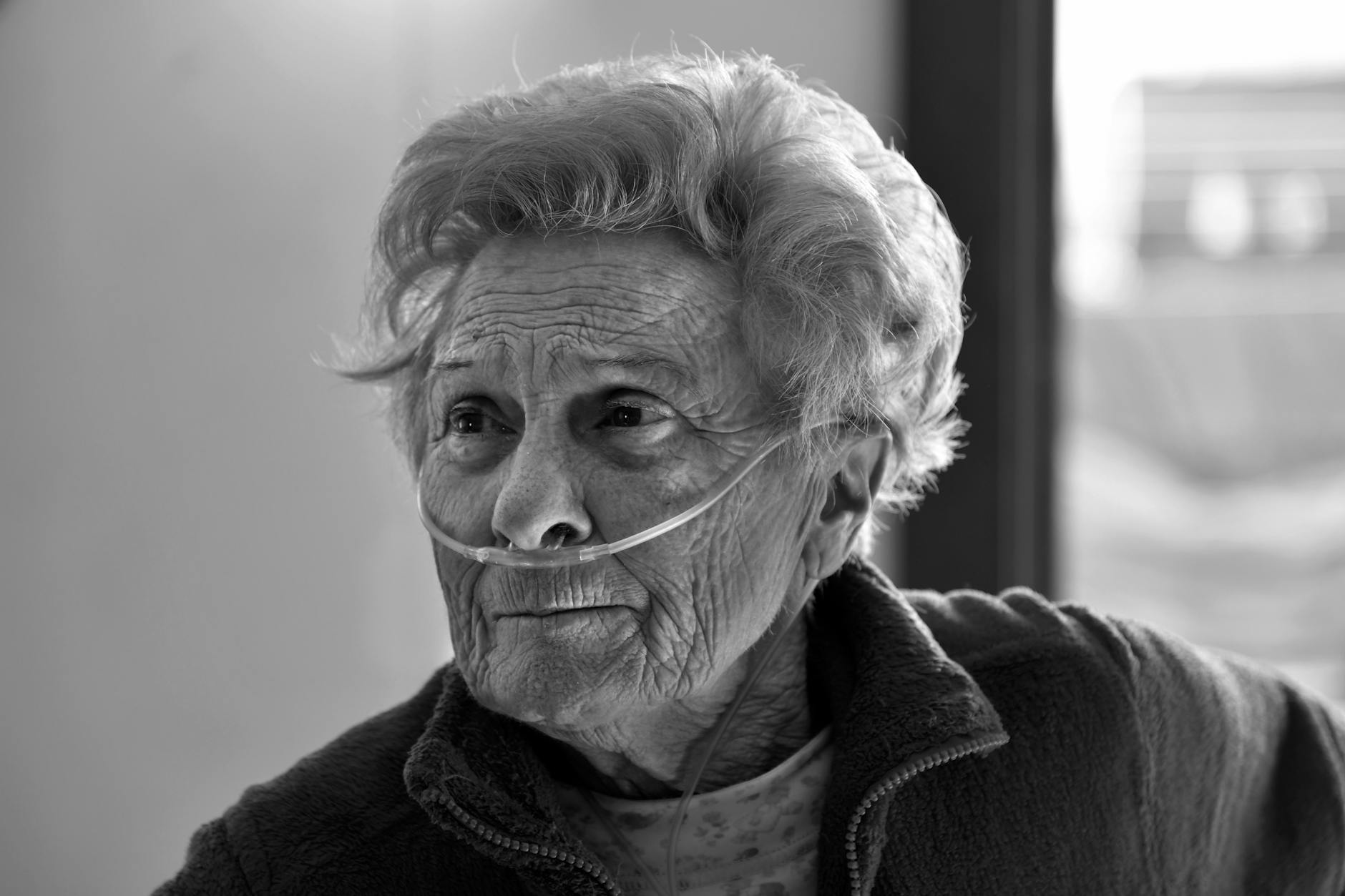
How to Prepare Your Home and Care Plan for Extreme Heat Events
Before the next heat emergency strikes, do a practical audit of your home’s cooling capacity. If air conditioning is unreliable, budget for a window unit or portable AC for the bedroom where your loved one spends most time. Keep a list of nearby cooling centers, libraries, senior centers, or malls with reliable AC and accessible hours. Visit them beforehand so your loved one becomes familiar with the space—unfamiliar environments can trigger anxiety or behavioral issues in dementia patients.
Stock up on hydration supplies: bottled water, electrolyte beverages, frozen popsicles, and water-rich foods. Have a thermometer (preferably a quick-read digital or ear thermometer, though rectal is most accurate for core temperature). Create a simple checklist for daily heat-safety tasks during warnings: hydration times, temperature checks, activity planning (keep them indoors during peak heat). Share this checklist with any caregivers, family members, or home health aides involved in care so everyone follows the same protocol.
What Do These Record Temperatures Tell Us About Future Heat Risk?
The March 2026 heat event wasn’t an isolated anomaly—it fits within a broader pattern of increasingly severe heat waves arriving earlier in the season. Cities like Phoenix and Las Vegas will continue to experience longer, hotter summers. Planning for dementia care in this climate-changed future means thinking long-term: consider whether your current living situation will remain safely livable during peak summer months, whether you’ll need to relocate to a region with milder temperatures, or whether you’ll need to invest in more robust home cooling systems. Public health systems are beginning to recognize heat as a geriatric emergency, particularly for cognitively impaired populations.
More cities are opening cooling centers and extending their hours. Some communities are implementing “wellness checks” on isolated older adults during heat warnings. As a caregiver, you can advocate for these services in your area and connect your loved one with programs designed to address heat vulnerability. The infrastructure and public awareness around heat health is evolving, but it will take individual families taking action now to stay ahead of the risk.
Conclusion
Record heat in March 2026 forced emergency declarations across the Southwest because the conditions were genuinely dangerous—particularly for older adults and people with dementia. With temperatures like 110°F in Arizona and nearly 40 million people under Extreme Heat Warnings, cities had to activate emergency protocols to protect vulnerable populations who often can’t recognize or respond to overheating on their own. If someone you care for has dementia, the most important action you can take during heat emergencies is to assume responsibility for their safety directly.
Keep them in cool environments, enforce a regular hydration schedule, monitor for warning signs, and don’t hesitate to call emergency services if you see signs of heat illness. Prepare now—before the next heat emergency—by auditing your home’s cooling capacity and creating a clear heat-safety plan. In a warming climate, heat competency is becoming as essential as fall prevention or medication management in dementia care.
You Might Also Like
- Air Travel Disrupted After Emergency Incident Forces Airport Shutdown
- Flights Halted at LaGuardia After Plane Incident Sparks Emergency Response
- Emergency Crews Rush to LaGuardia After Mysterious Plane Incident
For more, see CDC — Alzheimer’s and Dementia.