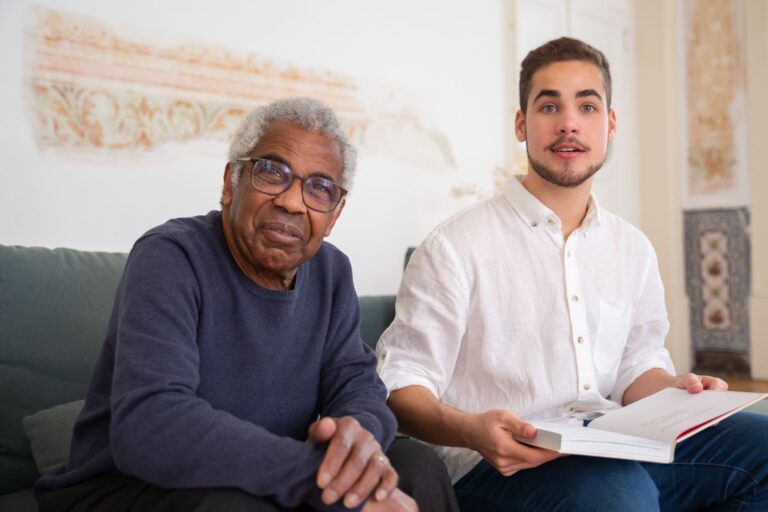
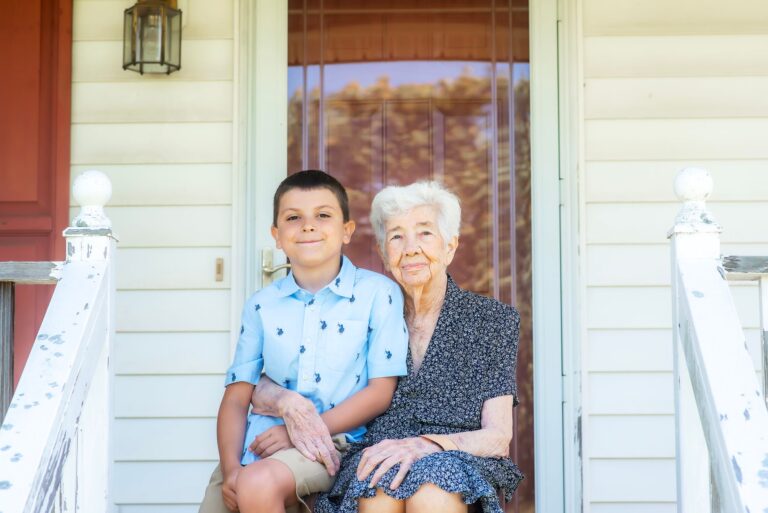
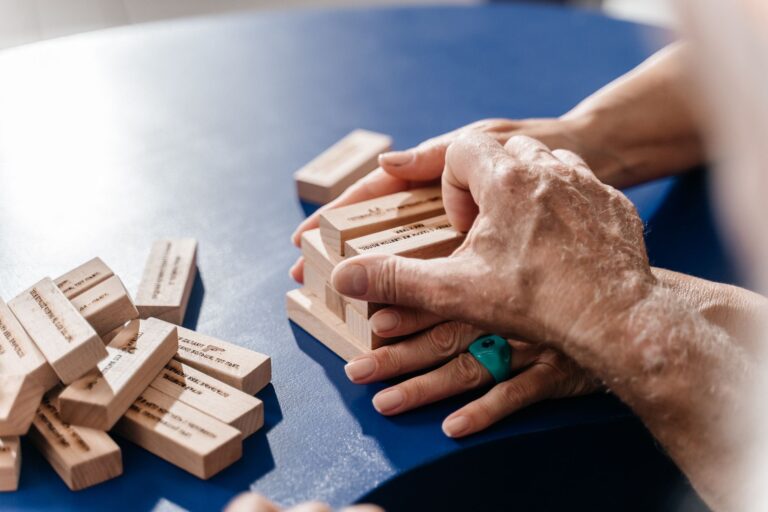
When watercolor loses appeal on a low-energy day, switch to seated drawing, music, conversation, or simple crafts. These keep self-expression going without standing, setup, or cleanup. Low energy plus changing interest is common in dementia. The goal shifts from finishing art to comfort, connection, and calm use of time.
Medical information disclaimer: This article is for general educational purposes only and does not provide medical advice, diagnosis, or treatment. Always consult a physician or other qualified health professional about symptoms, medications, tests, or treatment decisions.
Table of Contents
- What can you do without getting up?
- Can music lift mood with little effort?
- How do photos and keepsakes spark talk?
- How do you keep the choice simple and calm?
What can you do without getting up?
Stay seated at the table or favorite chair. The Alzheimer's Association advises caregivers to encourage self-expression through painting, drawing, music, or conversation, according to its daily care plan. That advice allows a direct switch when watercolor no longer fits.
Try one low-effort swap at a time. Thick markers, large crayons, and pre-cut paper reduce grip strain and mess. A short chat about the colors or shapes counts as participation.
- doodle freely with two or three colors
- color one simple page together
- sort buttons, cards, or fabric squares by color
- listen to a familiar song while drawing
Can music lift mood with little effort?
Yes, listening takes almost no energy. Gentle sing-along, clapping, or tapping a table can follow if interest rises. Silence and rest are also fine if tiredness wins. NHS 111 Wales points to Alzheimer's Society Singing for the Brain groups, noting singing improves mood and wellbeing, described in its dementia activities guide.
The same guide notes the idea adapts to listening or a quiet sing-along on tired days. Choose familiar tunes from younger years and keep volume low. Use short sessions of ten to twenty minutes. Watch the face and body for pleasure, restlessness, or fatigue. Stop the song and switch to quiet company when strain appears.
How do photos and keepsakes spark talk?
Reminiscence means using past memories to start present conversation. It needs only a photo album, keepsake box, or tablet within reach. Familiar faces, places, songs, and objects often prompt stories and smiles. NHS 111 Wales recommends reminiscence work using photos, objects, video, and music clips assembled as a book or on a tablet, as listed in its dementia activities guide.
Pick five to ten items with clear personal meaning. Ask one open prompt, such as who is here or what song is this. Touch, sound, and images together can engage more senses than paint alone. A 2025 review of trials found multisensory stimulation reduced behavioral symptoms and supported thinking in older adults with dementia. Keep handling safe and simple with large prints, soft items, and easy play buttons.
How do you keep the choice simple and calm?
Offer one clear option, not a menu. Say draw with markers or listen to music, then wait for an answer. Focus on the process, not the result, and praise effort and time shared. Match the task to current ability and mood rather than a fixed schedule.
The National Council of Certified Dementia Practitioners stresses fitting activities to preserved abilities and current interests, explained in its dementia activities guidance. That guidance also advises stopping or resting if agitation or fatigue rises. End early when yawning, frowning, pushing items away, or restlessness starts. Offer water, a blanket, or quiet hand-holding instead. Note what worked for next time, such as morning music over afternoon crafts.