Reviewed by the Help Dementia Editorial Team — our editors review every article for accuracy against guidance from the National Institute on Aging, the Alzheimer’s Association, and peer-reviewed sources.
Vegetarian diet sits at the center of this dementia and brain health question.
A vegetarian diet may reduce the risk of developing Alzheimer’s disease by approximately 34 percent, according to recent research examining the relationship between dietary patterns and dementia risk. This finding suggests that the foods you choose to eat—or not eat—play a measurable role in protecting your brain’s long-term health.
The connection isn’t new to nutritional science, but the specific percentage reduction represents one of the clearest quantifications yet of how dietary choices influence one of the most feared neurodegenerative diseases. Consider the case of a 55-year-old woman with a family history of Alzheimer’s who switched to a predominantly plant-based diet ten years ago. While no single dietary choice can guarantee prevention, the research suggests that by eliminating or significantly reducing meat consumption, she may have meaningfully lowered her statistical risk of developing cognitive decline compared to someone maintaining a standard Western diet rich in animal products.
Table of Contents
- How Does a Vegetarian Diet Reduce Alzheimer’s Risk?
- Understanding the 34 Percent Risk Reduction
- Nutrient Factors That Protect Brain Health
- Making the Transition to a Brain-Protective Diet
- Limitations and Dietary Considerations
- Other Dietary Approaches to Brain Health
- The Future of Nutrition and Dementia Prevention
- Conclusion
- Frequently Asked Questions
How Does a Vegetarian Diet Reduce Alzheimer’s Risk?
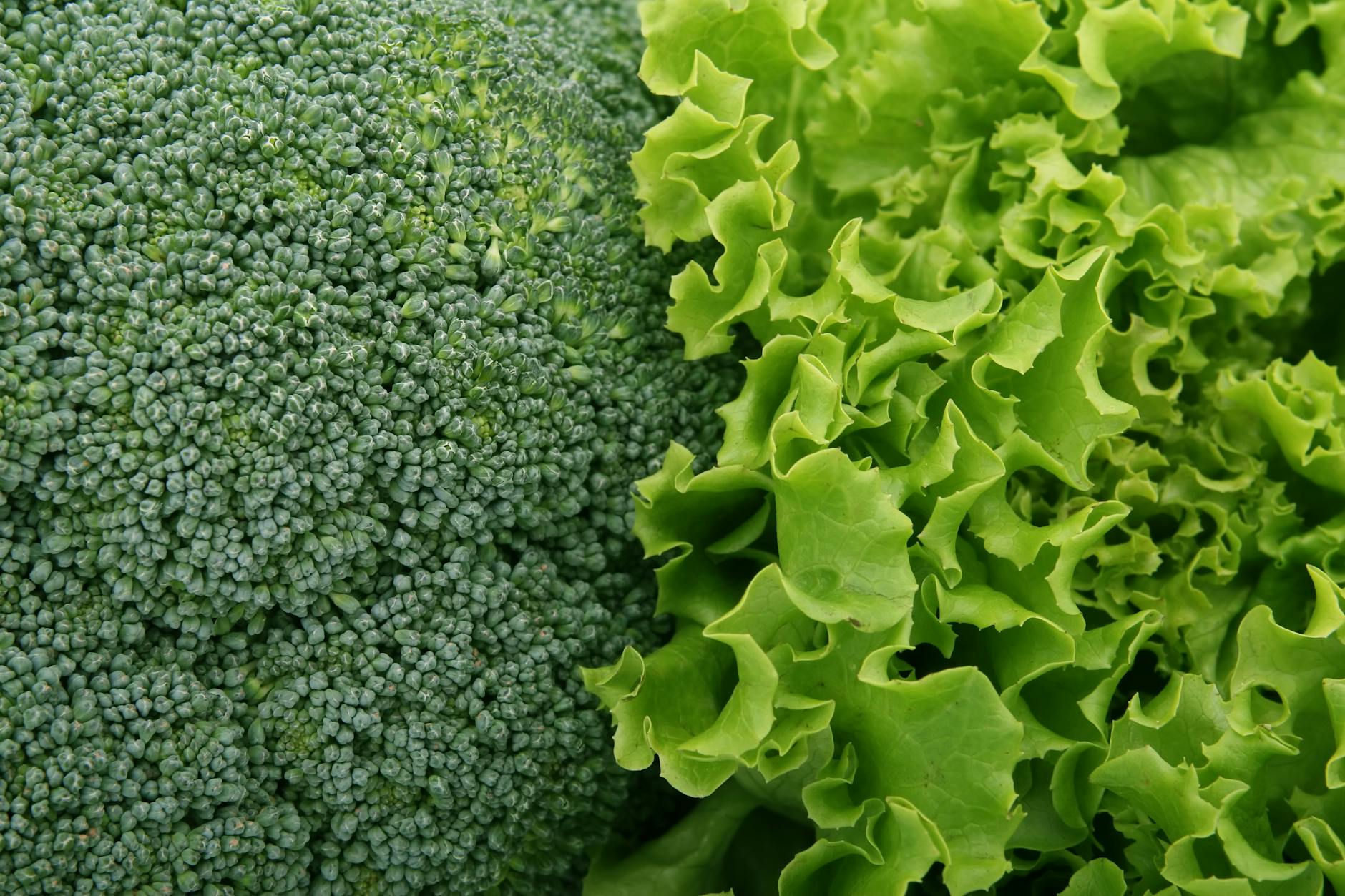
The mechanism behind this protective effect involves several biological pathways. Plant-based diets tend to be lower in saturated fat and cholesterol, both of which have been linked to the accumulation of amyloid-beta plaques in the brain—a hallmark of Alzheimer’s pathology. Vegetarian diets are also typically richer in antioxidants, polyphenols, and other phytochemicals that combat inflammation and oxidative stress, two major drivers of neurodegeneration.
The research examining this relationship often compares vegetarian diets to omnivorous diets high in processed meats and animal fats. When researchers followed individuals over time, those eating vegetarian patterns showed slower cognitive decline and lower rates of dementia diagnosis. The protective effect wasn’t limited to strict vegetarians; even people following flexitarian approaches—mostly plant-based with occasional animal products—showed meaningful risk reduction, though not quite as substantial as full vegetarians.
Understanding the 34 Percent Risk Reduction
A 34 percent reduction in Alzheimer’s risk is a significant figure, but it’s important to understand what it means and what it doesn’t. This statistic comes from observational research comparing groups of people with different diets; it represents a relative risk reduction, not an absolute guarantee that adopting a vegetarian diet will prevent Alzheimer’s in one-third of cases. If your baseline Alzheimer’s risk is 10 percent over a certain period, a 34 percent reduction would lower it to roughly 6.6 percent—still a substantial decrease, but not elimination of risk.
The limitation here is crucial: diet is one factor among many that influence dementia risk. Genetics, education level, cognitive engagement, physical activity, sleep quality, and cardiovascular health all matter tremendously. Someone with strong genetic predisposition to early-onset Alzheimer’s cannot rely on diet alone for protection. Additionally, most studies measuring these associations are observational, meaning researchers track what people eat and what diseases they develop, but cannot definitively prove that diet caused the risk reduction rather than other lifestyle factors correlated with vegetarian eating.
Nutrient Factors That Protect Brain Health
Specific nutrients abundant in vegetarian diets appear especially relevant to brain protection. B vitamins, particularly B6, B12, and folate, support the metabolism of homocysteine—an amino acid linked to cognitive decline when levels are elevated. Leafy greens like spinach and kale provide lutein and zeaxanthin, carotenoids that accumulate in brain tissue and may slow cognitive aging. Nuts, seeds, and plant oils supply vitamin E and essential fatty acids that support neuronal membrane health.
Consider the nutritional difference between a typical omnivorous breakfast and a vegetarian alternative. A breakfast of bacon, eggs, and white toast delivers saturated fat, cholesterol, and refined carbohydrates with minimal antioxidants. By contrast, a bowl of berries with nuts, seeds, and whole grain toast provides fiber, polyphenols, vitamin E, and complex carbohydrates that stabilize blood sugar. Over decades, such daily differences in nutrient intake accumulate into measurable differences in brain aging and disease risk.

Making the Transition to a Brain-Protective Diet
For those considering dietary changes to reduce dementia risk, complete vegetarianism isn’t necessary to capture meaningful benefits. Research suggests that even a Mediterranean-style diet—predominantly plant-based but including fish and minimal meat—provides substantial cognitive protection. The key is reducing saturated fat from animal sources while increasing whole plants: legumes, whole grains, vegetables, fruits, nuts, and seeds.
A practical transition strategy involves a gradual shift rather than abrupt elimination. Someone eating meat at most meals could begin with “meatless Mondays,” establish fish as the primary animal protein, then expand plant-based meals from there. This approach allows taste preferences to adjust naturally and gives time to discover satisfying vegetarian meals. The tradeoff, however, is that gradual change takes longer to produce measurable metabolic shifts; someone seeking rapid improvements in blood pressure or cholesterol levels might benefit from more immediate dietary restructuring.
Limitations and Dietary Considerations
Not all vegetarian diets are created equal for brain health. Someone subsisting primarily on refined carbohydrates, fried foods, and sugary snacks while technically vegetarian gains none of the cognitive benefits described in the research. The studies showing protection involved whole-foods vegetarian and plant-forward patterns, not processed plant-based foods.
Additionally, poorly planned vegetarian diets risk deficiencies in vitamin B12, iron, omega-3 fatty acids, and complete proteins—nutrients critical for brain function. A significant warning applies particularly to older adults considering vegetarian adoption: rapid dietary changes, especially restrictive ones, can potentially affect nutrient absorption and medication effectiveness, particularly for those taking blood thinners or diabetes medications. Vegetarian diets typically increase fiber intake substantially, which can alter medication absorption and timing. Anyone with existing cognitive decline or complex medical conditions should consult healthcare providers before making major dietary shifts, not to discourage the change, but to ensure it’s implemented safely with appropriate monitoring and supplementation if needed.

Other Dietary Approaches to Brain Health
While vegetarian diets show strong associations with lower Alzheimer’s risk, other eating patterns demonstrate similar protective effects. The Mediterranean diet, heavy in olive oil, fish, vegetables, and legumes, has the longest research history supporting cognitive protection. The MIND diet (Mediterranean-DASH Intervention for Neurodegenerative Delay) was specifically designed to optimize brain health by combining elements of Mediterranean and DASH eating patterns.
These diets differ in some respects from vegetarian approaches but overlap substantially in their emphasis on plants, healthy fats, and minimal processing. The practical consideration for many people is that a flexitarian Mediterranean approach may feel more sustainable than strict vegetarianism, particularly for those with strong cultural or family food traditions centered on fish or poultry. The research suggests that consistency and long-term adherence matter more than achieving dietary perfection or following a particular label.
The Future of Nutrition and Dementia Prevention
As neuroscience advances, the relationship between diet and dementia prevention will likely become even more precisely understood. Emerging research explores how specific plant compounds affect amyloid-beta clearance, how dietary patterns influence the gut microbiome in ways that affect brain health, and how individual genetic variations influence dietary responses. This knowledge may eventually allow personalized dietary recommendations based on someone’s specific genetic risk factors and microbiome composition.
What’s clear now is that the window for dietary intervention likely extends well into adulthood and older age. Unlike genetic risk factors that cannot be changed, dietary patterns can be modified at any point in life. The 34 percent risk reduction suggests that making plant-forward eating choices in your 40s, 50s, or 60s may still meaningfully influence your brain’s health trajectory in older age.
Conclusion
A vegetarian diet’s association with a 34 percent lower Alzheimer’s risk represents one of the most actionable findings in dementia prevention research. Unlike genetic factors or past environmental exposures, dietary choices remain something you can control and change throughout your life. The mechanism—reduced saturated fat and cholesterol alongside increased antioxidants and protective phytochemicals—is grounded in well-understood neurobiology.
If you’re interested in reducing your dementia risk through dietary change, starting with increased plant foods rather than strict elimination of animal products may offer the best balance of cognitive benefits and long-term sustainability. Consult with your healthcare provider about dietary changes, particularly if you take medications or have existing health conditions. The evidence suggests that what you put on your plate today influences what your brain will experience decades from now.
Frequently Asked Questions
Do I have to become fully vegetarian to get the Alzheimer’s risk reduction benefits?
No. Research shows that even predominantly plant-based diets with occasional fish or poultry capture substantial protective benefits. The key is reducing saturated fat and processed meat while increasing whole plants.
How quickly will I see cognitive benefits from dietary changes?
Brain health benefits from dietary change typically appear over months to years, not weeks. Metabolic improvements like blood pressure or cholesterol may show faster changes, but cognitive protection involves long-term neurobiological adaptations.
What if I have a family history of Alzheimer’s—does diet matter more?
Diet becomes even more important with genetic risk, though it’s not a complete preventive. Someone with strong genetic predisposition still benefits from optimal nutrition, but cannot rely on diet alone—maintaining cardiovascular health, cognitive engagement, and sleep are equally crucial.
Can I get the same benefits from supplements instead of changing my whole diet?
No. Whole plant foods contain thousands of compounds working synergistically; isolated supplements cannot replicate this complexity. Additionally, some supplements may interact with medications or cause unintended effects in ways that whole foods don’t.
Is the 34 percent risk reduction guaranteed if I eat vegetarian?
No. This is a relative risk reduction shown in population studies, meaning some people benefit more than others. Individual genetics, overall lifestyle, cardiovascular health, and other factors influence whether someone develops Alzheimer’s.
You Might Also Like
- whole grains Diet Linked to 48 Percent Lower Alzheimer’s Risk
- vegan diet Diet Linked to 28 Percent Lower Alzheimer’s Risk
- turmeric Diet Linked to 25 Percent Lower Alzheimer’s Risk
For more, see Alzheimer’s Association — clinical trials.