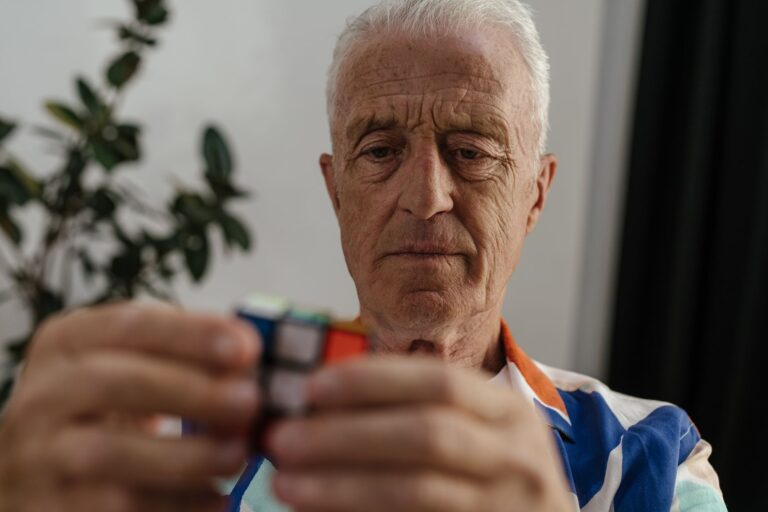
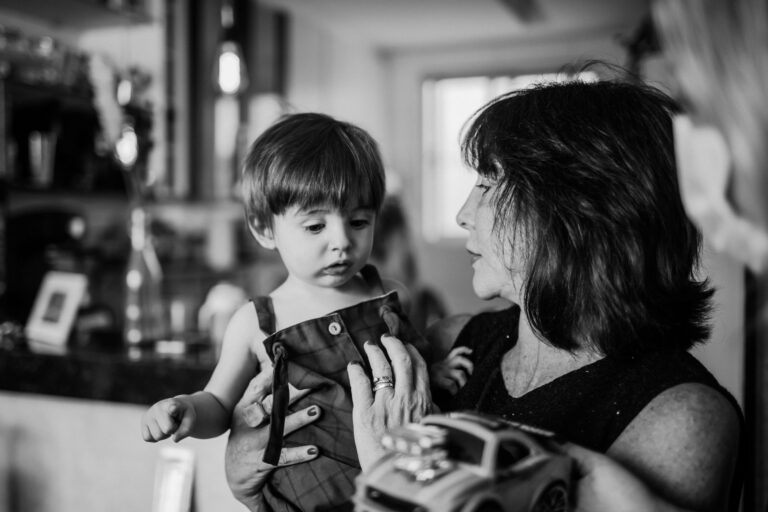
The philosophy of gentle caregiving is fundamentally about approaching another person—especially someone with cognitive decline—with respect for their inherent dignity, even when they can no longer express their needs verbally or recognize those caring for them. Rather than viewing caregiving as a series of tasks to complete efficiently, gentle caregiving recognizes that *how* something is done matters as much as *what* is done. A caregiver who quietly explains a shower before beginning it, maintains eye contact, and allows extra time may accomplish the same physical outcome as one who rushes through the same task—but the experience, and its emotional imprint on the person being cared for, is fundamentally different.
In dementia care specifically, gentle caregiving becomes essential because people in the later stages often lose the ability to report discomfort, confusion, or fear verbally. They read the emotional tone of a room, the firmness of a touch, the pace of an interaction. A person with moderate to advanced dementia who becomes agitated during bathing may not remember why the next day, but they retain an emotional memory of feeling rushed, cold, or handled roughly—and that feeling shapes how they respond to the next bath, and the one after that. This creates either a positive or negative spiral that compounds over months and years of care.
Table of Contents
- Why Does Tone and Presence Matter More Than Efficiency in Memory Loss Care?
- What Does Neuroscience Tell Us About Emotional Memory and Fear in Dementia?
- How Does Recognizing Personhood Change Care in Advanced Stages?
- What Are the Core Strategies for Practicing Gentle Caregiving Day to Day?
- What Barriers Do Caregivers Face in Sustaining Gentle Practices?
- How Do Physical Environment and Routine Support Gentle Caregiving?
- How Does Gentle Caregiving Impact Long-Term Outcomes for Both People with Dementia and Caregivers?
Why Does Tone and Presence Matter More Than Efficiency in Memory Loss Care?
Traditional institutional care models often prioritize task completion and efficiency—getting through a list of patients or residents in a set time. A staff member might see a person with dementia as someone to bathe, toilet, and feed within a certain window. Gentle caregiving inverts this priority: the *person* comes first, and the tasks are secondary. This doesn’t mean tasks aren’t important; it means the speed of task completion is not the measure of good care. Consider the difference between two approaches to helping someone with dementia get dressed.
One caregiver lays out clothes, quickly applies them while narrating what’s happening (“Okay, arm through the sleeve, now the other one”), keeps movement brisk and businesslike. Another caregiver selects clothes together with the person (even if the choice is limited), speaks more slowly, pauses between actions, and watches for signs of distress or resistance. The second approach may take ten to fifteen minutes longer. But a person with dementia who feels respected, consulted, and unhurried is less likely to develop defensive behaviors, less likely to resist future dressing sessions, and more likely to experience the interaction as relational rather than institutional. The risk of efficiency-focused care is not that tasks get done, but that they get done in ways that erode a person’s sense of self. Over time, being treated as an object to be managed rather than a person to be engaged with can increase anxiety, increase behavioral symptoms, and paradoxically make future care harder, not easier.
What Does Neuroscience Tell Us About Emotional Memory and Fear in Dementia?
The part of the brain responsible for forming new declarative memories (facts, events, names) deteriorates in Alzheimer’s and related dementias. But the emotional centers of the brain—particularly the amygdala and the systems that regulate fear and safety—remain relatively intact much longer. This means a person with advanced dementia may not remember that their daughter visited yesterday, but they will remember whether the visit felt warm or tense. They may not recall the name of their caregiver, but they will have a strong emotional response—comfort or dread—when that person enters the room. This creates a profound implication: gentle caregiving is not optional extra care, it is *foundational* care.
How a person is touched, spoken to, and treated during the activities of daily living directly shapes their neurological state—their level of agitation, anxiety, or calm. Research has consistently shown that people with dementia who are cared for in gentler, more relationship-focused environments show fewer behavioral symptoms, require fewer behavioral medications, and have better sleep and appetite than those in rushed or institutional environments. A significant limitation of gentle caregiving is that it requires sustained, intentional effort and cannot be automated or rushed. In settings with severe understaffing—a common reality in nursing homes and memory care facilities—it becomes difficult to practice. A caregiver managing eight residents alone cannot pause and use the bathroom-assistance protocol in the gentle way it was designed. This does not mean gentle caregiving is impossible in under-resourced settings, but it does mean that systemic barriers prevent many caregivers from providing care the way they may want to.
How Does Recognizing Personhood Change Care in Advanced Stages?
One of the most disturbing aspects of dementia care is the potential for infantilization—treating an adult with cognitive loss as if they are a child, using diminishing language (“sweetie,” “honey,” “good girl”), or making decisions about their body and preferences without consulting them, even if they retain some ability to express preferences. The philosophy of gentle caregiving insists on maintaining recognition of the person’s adulthood, their history, and their residual autonomy, no matter how advanced the cognitive decline. A person in the moderate-to-advanced stages of dementia may not be able to dress themselves, but they may still have preferences about colors, textures, or styles. They may not remember their life story, but they retain a sense of who they are as a person—their temperament, their likes and dislikes, their dignity. Gentle caregiving involves finding ways to honor these residual expressions of self.
If someone has always disliked being cold, they may become extremely distressed during a bath—not because they don’t understand what’s happening, but because the sensation activates a lifelong aversion. A gentle approach would involve warming the bathroom first, testing water temperature carefully, and moving slowly rather than rushing through the process. The deeper point is that a person with dementia remains a person, not a body to be maintained. This philosophical stance shapes every interaction. When a caregiver approaches someone with this mindset, it changes the quality of attention, the tone of voice, the pace of movement—all the non-verbal cues that the person receives and responds to emotionally.
What Are the Core Strategies for Practicing Gentle Caregiving Day to Day?
Gentle caregiving in practice involves several concrete strategies. One is *explaining before doing*—telling someone what you’re about to do before you touch them, even if you’re uncertain whether they fully understand your words. This basic courtesy honors their autonomy and reduces the startle response that can accompany unexpected touch. A second is *allowing choice where possible*—even if the choice is limited (two outfits instead of a full closet), the act of choosing preserves a small measure of control and can reduce resistance. A third is *pacing*—allowing extra time between tasks, pausing to allow a person to process, moving slowly enough that actions don’t feel abrupt or threatening. A fourth strategy is *environmental design*—ensuring the space where care happens is calm, well-lit (but not harshly), warm, and private.
A bathroom that is cold, brightly lit, and institutional in feel is harder to navigate than one that feels like a personal space. A fifth strategy is *emotional attunement*—watching for signs of distress, confusion, or discomfort and adjusting in real time rather than continuing with a predetermined routine if someone is clearly struggling. This requires presence and attention, not just task completion. The tradeoff is that these strategies require more time and more intentional emotional labor from the caregiver. A caregiver practicing gentle methods may complete fewer tasks in a shift than one moving through routines efficiently. In settings where productivity is measured by how many people are processed, gentle caregiving can feel like it is working against the system rather than with it.
What Barriers Do Caregivers Face in Sustaining Gentle Practices?
One of the most common barriers is caregiver burnout and exhaustion. Gentle caregiving requires sustained emotional presence and patience. When a caregiver is exhausted, grieving, or stressed, maintaining these practices becomes exponentially harder. A caregiver who is burned out may become sharp-toned, impatient, or rush—not from malice, but from depletion. This creates a difficult paradox: the people who most need gentle caregiving are often cared for by people who are least resourced to provide it, because dementia care is labor-intensive and care settings are often understaffed. A second barrier is the cultural narrative around dementia itself. In many settings, dementia is spoken about as a tragedy, a loss of personhood, a slow death.
If a caregiver unconsciously accepts the narrative that the person is “already gone,” it becomes easier to treat them as a body rather than a person. Gentle caregiving requires resisting this narrative and choosing to see the person who remains, even in advanced stages. A warning: this does not mean denying the reality of cognitive loss or pretending someone still has capacities they’ve lost. It means maintaining respect and relationship despite the losses. A third barrier is the institutional culture of many care settings. If a facility’s leadership measures success by efficiency metrics—how many residents processed, how few behavioral incidents—gentle caregiving practices may be subtly discouraged because they appear to slow things down. Staff members who take time to sit with someone in distress, or who spend extra minutes allowing someone to make a choice, may be seen as inefficient rather than as providing better care.
How Do Physical Environment and Routine Support Gentle Caregiving?
The physical environment powerfully shapes whether gentle caregiving is possible. A care space designed with chaos—multiple residents, loud sounds, harsh lighting, crowded bathrooms—makes the calm, attentive presence gentle caregiving requires very difficult. Conversely, a space designed with sensory care in mind—soft lighting, quiet areas, warm temperature, personal décor—supports caregivers in maintaining the presence required for gentle care.
Routine and predictability also support gentle caregiving. When a person with dementia knows that bathing happens at a certain time, with the same caregiver when possible, in the same sequence, their anxiety can decrease. This allows the caregiver to move more slowly and attentively rather than trying to orient the person to a chaotic, unpredictable schedule. A person who receives care from the same familiar people, in the same quiet space, at the same time each day, is more likely to cooperate and feel safe than one who experiences frequent staff changes, chaotic environments, and variable routines.
How Does Gentle Caregiving Impact Long-Term Outcomes for Both People with Dementia and Caregivers?
Research comparing care settings and approaches shows measurable differences in outcomes. People receiving care in environments that practice gentle, relationship-focused approaches show lower rates of depression, lower rates of behavioral and psychological symptoms, fewer falls (because they are not fighting or resisting care), and better nutritional intake. They also show better preservation of whatever cognitive function remains—social engagement and calm, stimulating activities appear to slow decline compared to unstimulating environments.
For family caregivers practicing gentle methods, the experience is qualitatively different as well. While caregiving is always difficult, caregivers who practice gentle caregiving report a deeper sense of meaning and connection, and experience less guilt about perceived inadequacies. A caregiver who is moving slowly, asking permission, and maintaining eye contact with their spouse or parent is still managing a terminal illness, but they are doing so in a way that preserves relationship and dignity, which provides some meaning within the loss.
- —