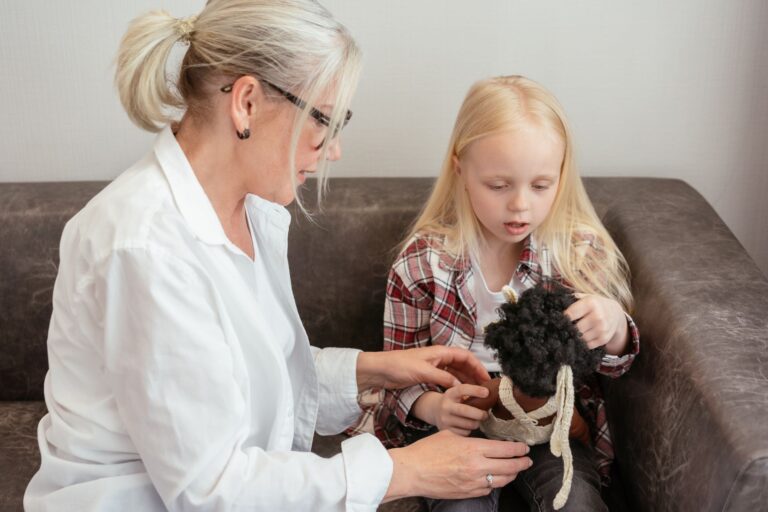
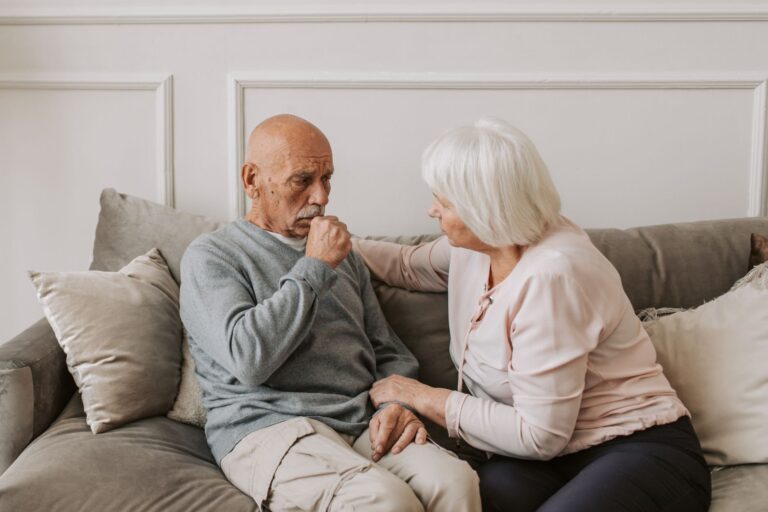
Non-verbal communication is often the most powerful form of connection in hospice care, especially when patients can no longer communicate through words. As dementia and terminal illness progress, the ability to speak may fade, but the capacity to receive and respond to touch, presence, and nonverbal signals remains intact. Research shows that 48% of hospice nurses report consciously using nonverbal communication with specific therapeutic aims, while another 39% use it sometimes—indicating that this form of connection is central to how hospice teams work, even if it isn’t always named or formally trained. What makes nonverbal communication so valuable is that it speaks directly to the emotional and spiritual needs that words often cannot reach, particularly for patients experiencing the confusion, fear, and isolation that can accompany dementia and end-of-life care. Consider a patient in advanced dementia, no longer able to form sentences, increasingly withdrawn from the world around them.
A nurse enters the room, and instead of launching into explanations or medical instructions, sits quietly at the bedside, makes eye contact, and holds the patient’s hand. The patient’s breathing slows. Their grip tightens slightly. In that moment, without a single word, the nurse has communicated safety, presence, and human connection—something no amount of verbal reassurance could achieve alone. This is the value of nonverbal communication in hospice: it reaches the person when language fails.
Table of Contents
- How Do Hospice Teams Currently Use Nonverbal Communication?
- Why Is Touch, Particularly Handholding, So Effective?
- What Patient and Family Outcomes Are Associated With Nonverbal Connection?
- How Do Verbal and Nonverbal Communication Work Together in Hospice Practice?
- What Barriers Prevent Consistent, High-Quality Nonverbal Communication?
- How Does Nonverbal Communication Address Spiritual and Relational Needs?
- What Should Family Members and Informal Caregivers Know About Using Nonverbal Communication?
How Do Hospice Teams Currently Use Nonverbal Communication?
Nonverbal communication in hospice includes a wide range of practices: the way a care provider positions themselves in the room, the quality of their eye contact, their facial expressions, the tone of their voice (even when saying simple things like “good morning”), and most significantly, physical touch. Hospice professionals employ these tools intentionally, though not always with formal acknowledgment of doing so. The research indicates that this practice is widespread—nearly nine in ten nurses (87% combined) either frequently or sometimes use nonverbal communication—but the consistency and training vary significantly across settings.
One limitation in current practice is that while nonverbal communication is used frequently, only 56% of nurses who had received education in palliative care communication felt that their knowledge and skills in this area were actually satisfactory. This suggests a gap between knowing that nonverbal communication matters and feeling equipped to do it well. Fifty percent of nurses surveyed said they would like to undergo specialized training in communication skills for palliative care, underscoring that many feel they are improvising rather than drawing on a solid foundation of technique and evidence.
Why Is Touch, Particularly Handholding, So Effective?
Among all forms of nonverbal communication, touch stands out as especially powerful in hospice settings. Research specifically identifies handholding as the preferred form of touch for hospice patients—not vigorous massage or stroking, but the simple act of holding a patient’s hand. This preference is significant because it reflects both comfort and connection: handholding creates a bidirectional exchange of reassurance between the person receiving care and the care provider. The evidence for handholding’s benefit is compelling.
Studies show that handholding reduces pain, decreases pre-surgical anxiety, and lessens the emotional pain associated with recalling traumatic or negative experiences. For hospice patients specifically, who are often dealing with multiple sources of distress—physical pain, fear, loss of control, and separation from their life—this multifaceted benefit is profound. A hand held firmly (not limply or tentatively) communicates “I am here, you are not alone, and I will remain present.” A warning, though, is that touch can feel intrusive or unwelcome if the patient has a history of trauma, boundary violations, or cultural practices that make casual touch uncomfortable. Skilled hospice workers assess each patient’s response and adjust accordingly, watching for signs of withdrawal or tension that might indicate touch should be offered differently or withheld.
What Patient and Family Outcomes Are Associated With Nonverbal Connection?
When hospice teams employ blended verbal and nonverbal communication strategies—combining careful listening, clear medical information, and comforting touch—patients report improved outcomes including better trust in their care, stronger therapeutic relationships, and greater sense of security. For families, the presence of healthcare professionals who communicate effectively, both verbally and nonverbally, decreases caregiver stress and improves bereavement outcomes. The shared communication among nurse, patient, and family member creates a collaborative understanding of what is happening and what the patient’s wishes and needs are.
One concrete example is the role of the nurse during a family conversation about declining care preferences. Instead of simply delivering information, the nurse might sit at a slightly lower level than the family members, make steady eye contact, speak slowly and with intentional pauses, and perhaps place a hand on the patient’s shoulder or arm. This nonverbal accompaniment to the verbal message—that the patient’s comfort and dignity remain central—reinforces the message and often makes family members feel more heard and respected themselves. Enhanced patient satisfaction, mental well-being, and even physical well-being have been documented when care includes active listening, clear information provision, and the reassuring, affirming touch that addresses the psychological pain of the hospice experience.
How Do Verbal and Nonverbal Communication Work Together in Hospice Practice?
Verbal and nonverbal communication should be seamlessly integrated in hospice care, but in practice they often work independently or even at cross-purposes. A care provider might say “I’m here to help” while their body language—rushed, standing by the door, minimal eye contact—conveys the opposite. Conversely, a provider who sits in silence, maintains presence, and offers touch but says nothing useful about pain management or next steps leaves the family without practical understanding. The most effective approach honors both channels.
A nurse might explain a medication change in clear, jargon-free language (verbal), then sit quietly for a moment to let it land, offer a glass of water or tissue without being asked (nonverbal attentiveness), and gently touch the patient’s arm while saying something affirming about their courage (integrated verbal-nonverbal). Recent training models, including a 2024 cohort of nurse practitioners who began specialized hospice and palliative care training in March 2024, emphasize this integration as core competency. One comparison worth noting: in acute care settings, efficiency is often prioritized, and nonverbal elements like unhurried presence are sacrificed for speed. Hospice, by contrast, must resist this pressure and recognize that the time spent in silent, present connection is not wasted time—it is the work itself.
What Barriers Prevent Consistent, High-Quality Nonverbal Communication?
Despite its documented value, several barriers limit how well hospice teams implement nonverbal communication. Training is inconsistent: only 63% of nurses received formal education in communicating with palliative care patients, and among those who did, many reported gaps in their knowledge. Burnout and high caseloads make it difficult for care providers to bring the necessary presence and intentionality to every interaction. Some team members may view nonverbal communication as “soft” or supplementary rather than as core clinical work worthy of time and attention. There is also the question of cultural and personal differences.
Not all patients or families welcome the same types of touch or nonverbal expression. What feels comforting to one person—a nurse sitting very close, maintaining prolonged eye contact, speaking softly—might feel invasive to another. A caregiver’s own emotional state affects the nonverbal messages they send; research on family caregivers in dementia settings found that 68.1% of emotional tone was respectful, but 16.7% was silent and withdrawn, while 9% was overly nurturing and 6.2% was harsh, bossy, or antagonistic. These variations in caregiver tone significantly impact the patient’s sense of safety and dignity. Without training that explicitly addresses how to monitor and adjust one’s own nonverbal presence, care providers risk sending unintended messages.
How Does Nonverbal Communication Address Spiritual and Relational Needs?
Beyond physical comfort, nonverbal communication addresses the spiritual and existential dimensions of end-of-life care. Healthcare professionals can create profound connection through bodily presence and relational attunement, particularly when patients are too fatigued, confused, or weak to engage in conversation. In qualitative research from Danish hospices, both patients and healthcare workers identified nonverbal communication—bodily presence, physical movement, meaningful touch, and the quality of attention—as equally important as verbal conversation for addressing spiritual needs.
A patient in late dementia may no longer understand words, but they register the nurse’s posture: whether they seem hurried or unhurried, whether their touch is gentle or rough, whether they seem present or distracted. Spiritual presence, in this context, does not require religious language or content; it means showing up as a whole person, honoring the patient’s life and personhood, and communicating through your body and attention that they matter and are not abandoned. This form of relational care becomes especially vital when the patient can no longer participate in activities they once found meaningful—prayer, conversation with loved ones, reading—but can still receive the comfort of human connection offered through nonverbal means.
What Should Family Members and Informal Caregivers Know About Using Nonverbal Communication?
For family members and informal caregivers who spend the most time at a patient’s bedside, understanding and practicing nonverbal communication can ease both the patient’s distress and the caregiver’s sense of helplessness. When a family member feels unsure what to say—because the patient no longer responds to words, because the situation feels overwhelming, or because there is no “right thing” to say—knowing that physical presence, a held hand, or a soft voice can provide genuine comfort offers direction and purpose. Caregivers sometimes believe that if they cannot “do” anything medical or practical, they are not helping; recognizing that their nonverbal presence is active, therapeutic work shifts this perspective.
One practical consideration: informal caregivers benefit from the same training and guidance that hospice professionals receive. A family member who has never thought about the tone of their voice, the pace of their movements, or the meaning their silence might convey can benefit enormously from a hospice nurse’s coaching—not as criticism, but as skill-building. Shared communication between the formal hospice team and family members, where the team explicitly discusses and models these nonverbal strategies, not only improves the patient’s experience but also reduces caregiver stress and confusion about what is helpful. The evidence is clear: when families understand that their quiet presence, their steady hand-holding, and their attentive listening—offered nonverbally—are forms of care, they feel less lost and the patient receives the continuity of relational support that characterizes high-quality end-of-life care.
- —