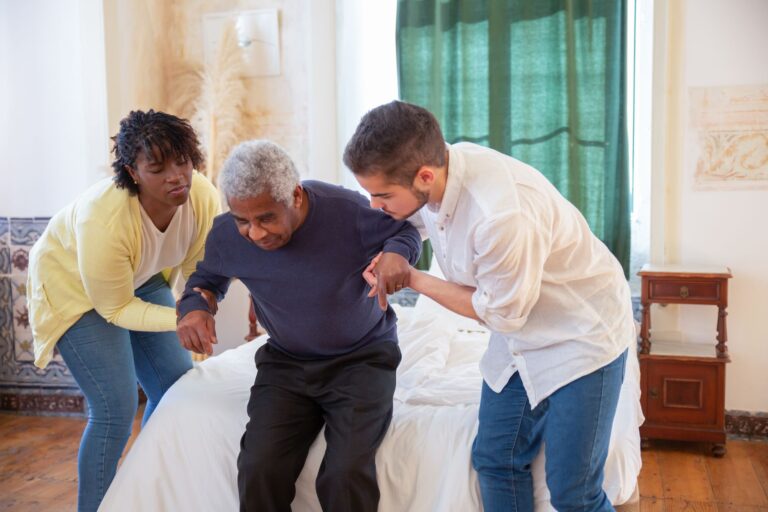
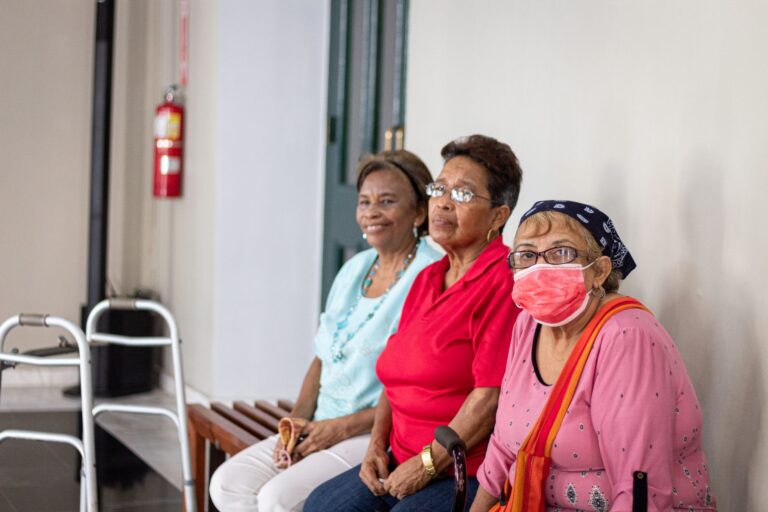
The ideal dementia care map discussed by NIA in 2026 is a coordinated, home-based system built around a care navigator, a personal care plan, caregiver confidence, and respite. For adult children, it means less focus on finding a better clinic and more focus on getting organized support that helps a parent stay home longer. A care map here means the practical route from diagnosis to daily support. The Roybal Coordinating Center says the National Institute on Aging held its 2026 Dementia Care and Caregiving Research Summit virtually March 17-19, 2026 to review economic impacts, care models, coordination, data infrastructure, and lived experience the summit announcement.
Medical information disclaimer: This article is for general educational purposes only and does not provide medical advice, diagnosis, or treatment. Always consult a physician or other qualified health professional about symptoms, medications, tests, or treatment decisions.
Table of Contents
- What did NIA put on the map?
- Why didn't stronger support lower strain?
- What help already pays for navigation and breaks?
- Why must adult children plan beyond themselves?
What did NIA put on the map?
The summit framed ideal care as connected rather than intensive in one place. Priorities included stronger coordination, better data, attention to cost, and inclusion of lived experience. That shifts success from medical control to daily stability at home. Canada's National Institute on Ageing reached a similar list in 2026.
It pointed to delayed diagnosis, primary-care gaps, uneven follow-up after diagnosis, and poor coordination. Its prescription was national standards, workforce support, equity, and common measures. For adult children, the message is consistent. Diagnosis alone does not start services. A named contact, a written plan, and scheduled follow-up do.
Why didn't stronger support lower strain?
Yale School of Medicine reports the NIA-supported D-CARE trial followed 2,176 people with dementia and caregivers for 18 months across health-system, community-based, and usual care the D-CARE results. Patient behavioral symptoms and caregiver strain did not differ across groups. The same Yale report found a narrower gain. Caregiver confidence and perceived quality of care improved within six months in both treatment arms versus usual care.
Confidence-building help that supports staying home still mattered, even when strain scores did not move. The limit is important for expectations. Coaching, navigation, and resources may not reduce agitation or exhaustion quickly. They can improve a caregiver's ability to respond and to judge care as adequate.
What help already pays for navigation and breaks?
Medicare's GUIDE model pays participating organizations to deliver standardized dementia care, according to the Centers for Medicare & Medicaid Services the GUIDE model page. Core pieces are a care navigator, a personalized plan, and up to $2,500 per year in respite for eligible community-dwelling beneficiaries and caregivers.
Respite means paid short-term relief so a family caregiver can rest, work, or handle other duties. Navigation means one person helps arrange services, track the plan, and connect the family to community help. Together they address the two gaps adult children cite most: not knowing next steps and never getting a break.
- Ask the parent's health system or dementia clinic if it participates in GUIDE.
- Ask for the assigned navigator and a written personalized plan.
- Ask what respite amount the family can use and which providers qualify.
- Put backup coverage in writing before a crisis, not during one.
Why must adult children plan beyond themselves?
USC's Schaeffer Center estimates Alzheimer's and related dementias will cost the United States $818 billion in 2026, with much of the burden on patients and unpaid family and friends the cost study. The Alzheimer's Association reports 7.4 million Americans age 65 and older have Alzheimer's dementia, while more than 12 million unpaid caregivers provided about 19.6 billion hours valued at $446.3 billion. Proximity limits what children alone can cover. University of Michigan researchers found only one-quarter of people with dementia lived with an adult child, 42% had a child within 10 miles, and 23% had no nearby adult child.
A plan that assumes a child will always be close will fail for many families. Build a local bench early. Name a neighbor, friend, faith contact, or paid aide who can check in. Share the care plan, medication list, and navigator number with that person.
You Might Also Like
- The 2026 NIA Workshop on Comprehensive Dementia Care Models: What Adult Children Can Check in Their Community
- The Long-Term Care Data Cooperative and Dementia Research in 2026: What Researchers Still Need to Learn for Adults With Memory Concerns
- CMS GUIDE Dementia Care Payment Changes in 2026: A Source-Checked Policy Briefing for Family Caregivers