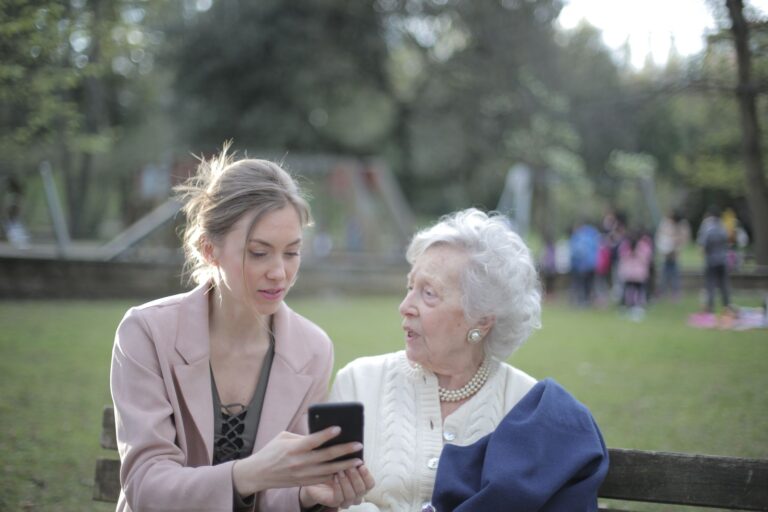
A family photo album can create moments of recognition, comfort, or conversation during dementia confusion, but it cannot reliably reverse that confusion. Its value lies in offering a gentle path to connection, not treating dementia or testing memory. Dementia is cognitive loss severe enough to disrupt daily life. Memory problems and confusion are common, but the person may still respond to familiar faces, places, stories, and emotions.
Medical information disclaimer: This article is for general educational purposes only and does not provide medical advice, diagnosis, or treatment. Always consult a physician or other qualified health professional about symptoms, medications, tests, or treatment decisions.
Table of Contents
- What does the evidence actually show?
- What should go in the album?
- How do you use it without creating pressure?
- What if the album does not help?
- When confusion needs medical attention
What does the evidence actually show?
Using photos to discuss earlier experiences is a form of reminiscence. Structured "reminiscence therapy" involves guided conversations prompted by photos, music, objects, or other reminders; casually looking through an album is a related caregiving activity, not necessarily the studied therapy. A 2018 Cochrane review included 22 randomized trials with 1,972 participants. It found small, inconsistent benefits that depended on how and where reminiscence was used.
Individual sessions sometimes helped cognition or mood, while group or community programs sometimes helped communication. Photos and life-story books were possible prompts, not separately proven treatments in the Cochrane evidence review. The practical takeaway is modest but useful: an album may help start a conversation or share a pleasant moment. It may also produce no response, and it should never be presented as a way to prevent, cure, or reverse Alzheimer's disease.
What should go in the album?
Choose images that make conversation easy rather than trying to document every year. Large, clear photos with one or two recognizable people may be easier to explore than crowded group pictures. Include a mix of subjects: Keep captions factual and warm.
"Maria and her sister Elena at the lake" offers support without demanding that the person supply missing details. Avoid filling the album with images linked to grief, conflict, or frightening experiences. families cannot always predict a reaction, so treat every choice as an invitation that can be skipped.
- Close relatives, friends, pets, and familiar homes
- Weddings, holidays, work, hobbies, or community events
- Places linked to enjoyable routines or important life periods
- Short captions with names, relationships, locations, or simple context
How do you use it without creating pressure?
Sit beside the person and look at the album together. That position can feel more collaborative than facing them and asking questions. The Alzheimer's Association advises following the person's lead and seeking connection instead of correct recall in its guidance on reminiscence.
Use observations and open invitations: Do not turn the activity into a quiz with repeated questions such as "Who is that?" or "Don't you remember?" If the person gives a different name or story, avoid arguing. Respond to the feeling, offer a gentle cue if it helps, or move to another photograph. A successful session might be a detailed story, a smile, a few relaxed minutes, or simply sitting together. Recognition is not the only measure of connection.
- "This looks like a sunny day."
- "You seem happy in this picture."
- "Would you like to tell me about this place?"
- "I wonder what music you enjoyed then."
What if the album does not help?
Responses can change from one day to another. A photo that sparks conversation once may prompt silence later. Stop if the person becomes tense, tired, withdrawn, or upset.
Try fewer photographs, a different time, or another familiar prompt such as music or a keepsake. Older memories may remain more accessible than recent ones, but no particular memory should be forced. The album can also support visitors who feel unsure about what to say. A caption gives them names and context, while the photograph provides a shared subject that does not depend on current events or recent memory.
When confusion needs medical attention
An album is appropriate for ordinary, calm moments of reminiscence. It is not an answer to a sudden or dramatic change in attention, awareness, or confusion. A rapid change may be delirium rather than expected dementia progression.
Delirium often begins suddenly and can have a medically treatable cause, according to NIH MedlinePlus. Seek prompt medical guidance instead of trying to manage that change with photographs alone. An ordinary photo album is a caregiving tool, not an FDA-approved dementia treatment. Be cautious of anyone claiming that an album, supplement, or other unproven product can reverse Alzheimer's; the FDA warns against unproven Alzheimer's disease products.