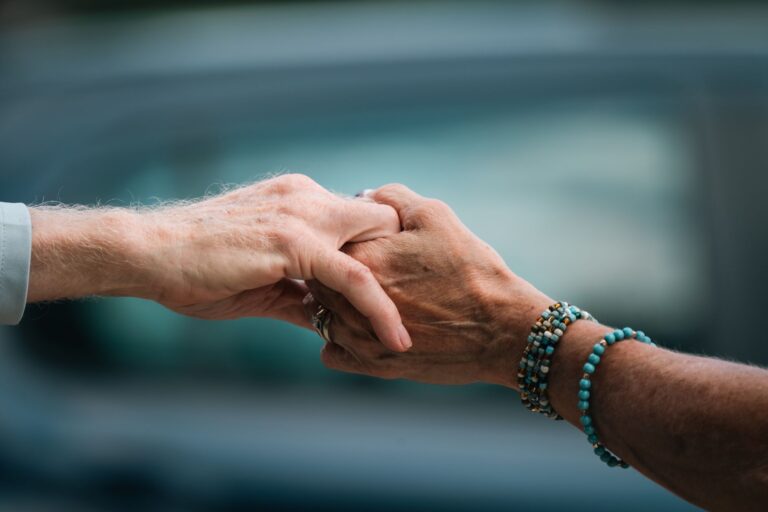
A wedding photo may help a spouse reconnect briefly with someone living with dementia—cognitive loss severe enough to disrupt daily life. It can provide comfort or spark conversation, but it cannot reliably restore memory or recognition. Alzheimer's disease, the most common form of dementia, can impair recognition of family members. A meaningful response to a photograph may still create connection, even when the person cannot identify everyone pictured.
Medical information disclaimer: This article is for general educational purposes only and does not provide medical advice, diagnosis, or treatment. Always consult a physician or other qualified health professional about symptoms, medications, tests, or treatment decisions.
Table of Contents
- What happened with Betty and Bob Pettit?
- What does research say about familiar photographs?
- What should families consider a successful response?
- How to try a meaningful photograph gently
What happened with Betty and Bob Pettit?
Betty Pettit, 85, had end-stage Alzheimer's when her husband, Bob, wore an apron printed with their wedding photograph. A family video appeared to show Betty recognizing the image and responding warmly. The episode gained attention through a May 2023 Happily News report.
It was a single family account, not a clinical study or medical record. The apron placed a familiar image within an ordinary interaction. However, the video cannot establish whether the photograph caused Betty's response or whether another person would respond similarly.
What does research say about familiar photographs?
Using photographs this way fits reminiscence: discussing past experiences with prompts such as pictures or music. The goal is usually to encourage memories, conversation, or engagement. A Cochrane review of reminiscence therapy included 22 randomized studies involving 1,972 people, mostly with mild or moderate dementia. Eligible programs lasted at least four weeks or six sessions, unlike a single encounter with one wedding photograph.
Cognition improved only very slightly immediately after therapy, with doubtful clinical importance and little or no longer-term difference. Communication may improve modestly, but studies found no clear benefit for agitation, daily functioning, relationship quality, or restored spousal recognition. The review found no harmful effects among participants. Joint reminiscence studies did identify a possible, clinically uncertain signal of slightly increased caregiver anxiety.
What should families consider a successful response?
Treat the photograph as an invitation to connect, not proof that a lost memory has returned. Someone may enjoy the image, its colors, or the attention surrounding it without understanding the event or recognizing a spouse. Success might mean a calm shared moment, interest in the picture, or a short conversation.
It does not require the person to supply names, dates, or a correct explanation. Avoid drawing broad conclusions from one reaction. The available research does not show that a photograph reverses dementia, restores relationships, or works specifically for people with end-stage Alzheimer's.
How to try a meaningful photograph gently
The Alzheimer's Association recommends following the person's lead and notes that old photographs may provide comfort even in later stages. It does not promise recognition.
A photo album may also make familiar images easy to revisit without demanding a particular response. The NIH caregiver guide provides further guidance on communication and using photographs with someone who has Alzheimer's disease.
- Choose one clear, personally meaningful photograph.
- Offer context: "This is a picture from our wedding day."
- Avoid questions such as "Don't you remember me?"
- Allow silence and give the person time to look.
- Continue if the person seems comfortable; pause if the interaction becomes upsetting.