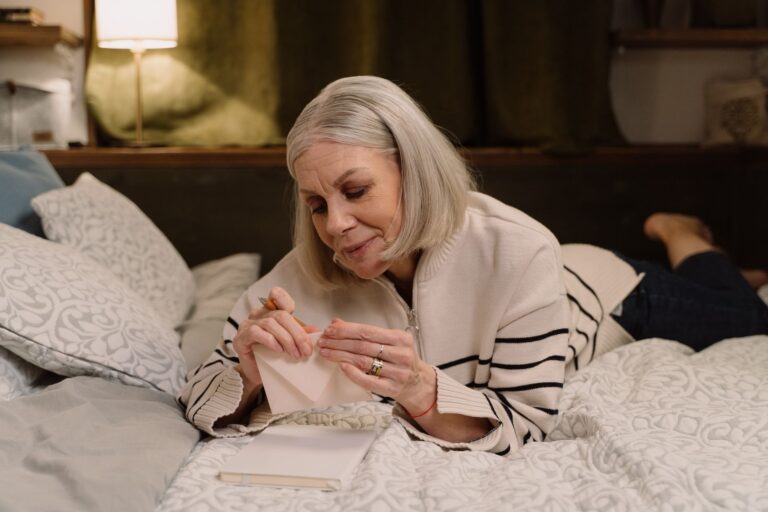
When dementia takes spoken words away, small gestures can still communicate comfort, attention, choice, and connection. Eye contact, a warm expression, an open hand, or quiet presence may carry meaning when conversation becomes difficult. Dementia is a decline in mental ability that interferes with daily life, affecting memory, thinking, behavior, and communication; the CDC emphasizes that it is not normal aging. A gesture cannot replace speech or reveal every need, but it can help two people remain engaged.
Medical information disclaimer: This article is for general educational purposes only and does not provide medical advice, diagnosis, or treatment. Always consult a physician or other qualified health professional about symptoms, medications, tests, or treatment decisions.
Table of Contents
- Why nonverbal communication matters
- Which gestures can caregivers try?
- How do you know whether a gesture helps?
- When communication changes need medical attention
Why nonverbal communication matters
alzheimer's disease, the most common dementia, gradually damages memory and thinking. Trouble finding words can appear early, although the timing and abilities affected vary greatly from person to person. Nonverbal support means communicating without relying entirely on words. A 2022 review identified six recurring approaches: eye contact, gestures, facial expressions, touch, physical closeness, and facing the person directly.
The review covered 16 studies of supportive nonverbal communication. These actions can give someone another way to follow an interaction. A smile may show reassurance. Pointing to two shirts may make a choice clearer than asking an open-ended question.
Which gestures can caregivers try?
Start by reducing the pressure to produce an immediate answer. Approach from the front, say the person's name, make comfortable eye contact, and leave enough time for a response.
Practical options include: The National Institute on Aging recommends watching tone, facial expression, and body language alongside spoken answers. Its communication guide also advises eye contact, response time, simple questions, and welcome touch.
- Face the person and stay near enough to be seen clearly.
- Use a calm tone with a relaxed facial expression.
- Point to an object while naming it.
- Offer two visible choices and ask a yes-or-no question.
- Rephrase a misunderstood question instead of arguing.
How do you know whether a gesture helps?
Watch the person, not just the technique. Turning toward you, relaxing, reaching back, or making a choice may show that an approach is useful. Pulling away, stiffening, frowning, or becoming distressed means you should pause and try something else. Personal history and preferences matter.
One person may find hand-holding reassuring; another may dislike being touched. A close position may help someone see your face, but it may also feel intrusive. Evidence has important limits. Researchers found little information about person-centered outcomes and no consistent agreement about what makes a nonverbal action "supportive." Gestures should therefore be treated as flexible, individualized care practices—not proven substitutes for speech, complete explanations of behavior, or treatments for dementia.
When communication changes need medical attention
Do not assume every new communication problem means dementia has progressed. Difficulty hearing or seeing can make conversation, facial expressions, and gestures harder to understand. Pay particular attention when a change appears suddenly or varies sharply over a short period.
Infection or a medication change may contribute to rapid changes in behavior or communication, according to the National Institute on Aging's caregiving guidance. Seek prompt medical attention for sudden or rapidly fluctuating changes. Note when the change began, what was different, and whether a medication or health problem changed at the same time.