Therapeutic drug monitoring, often called TDM, is a blood test that measures the concentration of a specific medication in your bloodstream to determine whether the dose you are taking is actually doing its job. For families managing dementia, this is not an abstract lab curiosity. If your loved one takes a cholinesterase inhibitor like donepezil or a seizure medication that also manages behavioral symptoms, a simple blood draw can reveal whether the drug is sitting at a therapeutic level, falling short, or climbing into a range where side effects become dangerous. A physician orders the test, a lab processes the sample, and the result comes back as a number measured in nanograms or micrograms per milliliter of blood, which is then compared against an established reference range for that particular drug.
This kind of testing matters most when a medication has a narrow therapeutic index, meaning the gap between an effective dose and a harmful one is uncomfortably small. Drugs such as lithium, valproic acid, phenytoin, and certain cardiac medications fall into this category and are routinely monitored through blood work. In dementia care, where patients may have difficulty reporting side effects or describing whether they feel better, blood-level data gives clinicians an objective measurement to guide decisions. The rest of this article covers which medications commonly require monitoring, what the process looks like, how results are interpreted, limitations to be aware of, and practical steps caregivers can take to make the most of this tool.
Table of Contents
- What Is Therapeutic Drug Monitoring and How Does the Blood Test Work?
- Which Medications in Dementia Care Require Blood-Level Monitoring?
- How Clinicians Interpret Blood Test Results for Medication Effectiveness
- Practical Steps Caregivers Can Take to Get Accurate Blood Test Results
- When Blood-Level Monitoring Can Be Misleading or Insufficient
- The Role of Pharmacogenomic Testing Alongside Blood Monitoring
- What the Future May Hold for Medication Monitoring in Dementia
- Conclusion
- Frequently Asked Questions
What Is Therapeutic Drug Monitoring and How Does the Blood Test Work?
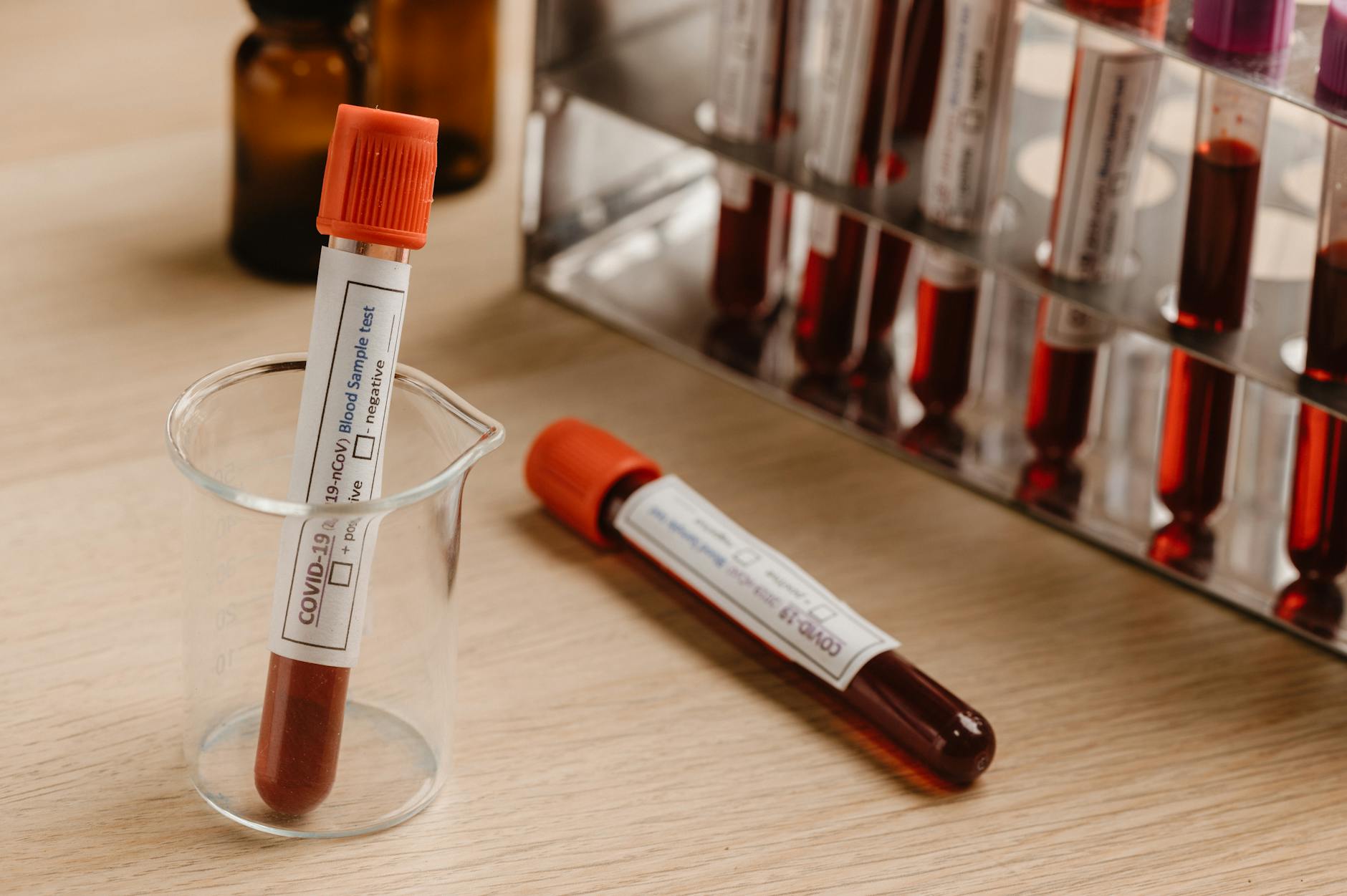
Therapeutic drug monitoring works on a straightforward principle. Every medication, once swallowed or injected, enters the bloodstream and reaches a peak concentration before the body begins breaking it down through the liver, kidneys, or both. The blood test captures a snapshot of that concentration at a specific point in time, most commonly at the trough level, which is the lowest point the drug reaches right before the next scheduled dose. By measuring the trough, clinicians can confirm that enough medication remains in the system to be effective throughout the entire dosing interval. The process itself is a routine blood draw, typically performed at a hospital lab or outpatient facility. Timing is critical. For most monitored drugs, the sample should be taken just before the next dose, often first thing in the morning if the medication is taken at night.
If the blood is drawn too soon after a dose, the result will reflect the peak rather than the trough, giving a falsely elevated number. For someone with dementia who may not understand why they are being stuck with a needle, a calm explanation, a familiar caregiver present, and coordination with the lab to minimize wait times can reduce distress significantly. Some medications also require a steady state before levels are meaningful. Steady state means the drug has been taken consistently long enough that the amount entering the body roughly equals the amount being eliminated. For many drugs, this takes four to five half-lives. Testing before steady state is reached can produce misleading results. A physician who orders the blood test too early after a dose change may draw incorrect conclusions about whether the current dose is adequate.

Which Medications in Dementia Care Require Blood-Level Monitoring?
Not every drug prescribed in dementia care needs blood monitoring, but several commonly used ones do. Valproic acid, sometimes prescribed off-label to manage agitation or aggression in dementia patients, has a well-defined therapeutic range and is one of the most frequently monitored medications in this population. Lithium, occasionally used for mood stabilization in patients with co-occurring psychiatric conditions, requires particularly close monitoring because the difference between a therapeutic and toxic blood level is razor thin. Phenytoin and carbamazepine, both anticonvulsants sometimes used for seizure disorders that overlap with dementia, also have established monitoring protocols. However, the cholinesterase inhibitors that form the backbone of Alzheimer’s symptomatic treatment, including donepezil, rivastigmine, and galantamine, are not routinely monitored through blood levels in standard clinical practice. This is partly because their therapeutic ranges are less precisely defined and partly because clinical response and side effects are typically used to guide dosing.
If your loved one is on donepezil and not seeming to benefit, the answer is more likely a clinical reassessment than a blood level check. The same is true for memantine, the NMDA receptor antagonist often added in moderate to severe Alzheimer’s disease. Where blood monitoring becomes unexpectedly important in dementia care is with the constellation of other medications many patients take. A person with dementia may also be on warfarin for atrial fibrillation, digoxin for heart failure, or an antiepileptic for a co-occurring seizure disorder. Each of these drugs has a narrow therapeutic window. As dementia progresses and body weight, kidney function, and liver metabolism change, drug levels can drift. What was a safe and effective dose two years ago may now be subtherapeutic or dangerously high, and the patient may be unable to articulate symptoms that would otherwise serve as a warning.
How Clinicians Interpret Blood Test Results for Medication Effectiveness
When the lab report comes back, the result is typically a single number accompanied by a reference range. For example, a valproic acid level might come back at 65 micrograms per milliliter, with the reference range listed as 50 to 100. A number within range generally means the dose is appropriate, a number below range suggests the drug may not be effective, and a number above range raises concern about toxicity. But the reality of interpreting these results is more nuanced than that simple framework suggests. A level that falls within the published therapeutic range does not guarantee the drug is working. some patients respond well at the lower end of the range, while others need to be near the upper boundary before they see any benefit.
This is especially relevant in elderly patients with dementia, whose altered physiology may change how a drug distributes in the body. An older adult with less muscle mass and more body fat may have a higher free-drug concentration than the total blood level suggests, because many drugs bind to proteins in the blood and only the unbound portion is pharmacologically active. In such cases, a clinician might order a free-drug level rather than a total level to get a more accurate picture. Conversely, a level that sits just below the standard reference range does not automatically mean the dose needs to be increased. If the patient is tolerating the medication well and showing clinical benefit, some clinicians will leave the dose alone. This is particularly important in dementia care, where the goal is often symptom management rather than cure, and where increasing a dose means increasing the risk of side effects in a population that is already vulnerable. The blood test is one data point in a larger clinical picture that includes the patient’s behavior, cognition, functional status, other medications, and overall health trajectory.
Practical Steps Caregivers Can Take to Get Accurate Blood Test Results
Getting a reliable result starts with proper timing, and as a caregiver, you have more control over this than you might think. Confirm with the prescribing physician exactly when the blood should be drawn relative to the last dose. For most trough-level tests, this means going to the lab before the morning dose is given. If your loved one takes valproic acid at bedtime, for instance, the ideal draw time is the following morning before any medication is administered. Write down the exact time the last dose was taken so you can report it to the lab or the physician, since even a couple of hours can shift the result meaningfully. Medication adherence in the days leading up to the test is equally important. If your loved one missed two doses last week because of a hospital visit or a disrupted routine, the blood level may be artificially low and not representative of what happens during normal, consistent dosing.
Some physicians recommend ensuring at least five to seven days of uninterrupted medication use before drawing a level. If adherence has been inconsistent, let the doctor know before the test so they can decide whether to proceed or reschedule. Wasting a lab draw on unreliable data helps no one, and for a patient with dementia who finds blood draws distressing, it is worth getting the conditions right on the first attempt. There is also a tradeoff between convenience and accuracy. Some caregivers prefer to combine the blood draw with other lab work, such as a comprehensive metabolic panel or complete blood count, to minimize the number of trips to the lab. This is reasonable and often encouraged, but only if the timing still works for the drug-level test. If the other labs are scheduled for the afternoon and the trough level needs to be drawn first thing in the morning, combining them means one test will be timed incorrectly. In those situations, two separate visits may be the better choice despite the added inconvenience.
When Blood-Level Monitoring Can Be Misleading or Insufficient
Blood-level monitoring is a powerful clinical tool, but it has real limitations that caregivers and families should understand. One of the most common pitfalls is assuming that a normal blood level means the medication is working. For psychiatric and neurological medications, the correlation between blood concentration and clinical effect is often imperfect. Two patients can have identical blood levels of the same drug and experience vastly different outcomes because of genetic differences in how their brains respond to the medication at the receptor level. Pharmacogenomic testing, which examines how a patient’s genetic makeup affects drug metabolism and response, is a growing field that can sometimes explain these discrepancies, though its use in dementia care specifically is still evolving. Another limitation involves drug interactions. Many dementia patients take multiple medications, and some of these can interfere with the metabolism of the drug being monitored.
Adding a new medication that inhibits a liver enzyme can cause the monitored drug’s level to spike, while a new enzyme inducer can cause it to drop. If a blood level comes back unexpectedly high or low, the first question should be whether any medications were recently started, stopped, or changed in dose. Herbal supplements and even grapefruit juice can alter drug metabolism for certain medications, and these are easy to overlook. A complete medication reconciliation before interpreting any drug level is essential, and caregivers who maintain an up-to-date medication list provide an invaluable resource to the clinical team. A warning worth emphasizing: do not adjust medication doses based on a blood-level result without explicit direction from the prescribing physician. The temptation, especially for engaged and well-informed caregivers, is to see a low level and assume the dose needs to go up. But dose adjustments involve considerations beyond the number on the lab report, including kidney and liver function, the patient’s weight and hydration status, other medications, and the clinical context. This is a conversation between you and the doctor, not a self-service decision.

The Role of Pharmacogenomic Testing Alongside Blood Monitoring
Pharmacogenomic testing, sometimes called PGx testing, is a relatively newer tool that examines a patient’s DNA to predict how they will metabolize specific medications. While therapeutic drug monitoring tells you what the blood level is right now, pharmacogenomics can help explain why that level is where it is. For example, a patient who is genetically a poor metabolizer of a particular enzyme pathway may accumulate a drug faster than expected, leading to toxicity at standard doses. Conversely, an ultra-rapid metabolizer may clear the drug so quickly that therapeutic levels are never reached despite escalating doses.
In practice, pharmacogenomic testing has gained the most traction in psychiatry and cardiology, where it can guide antidepressant, antipsychotic, and antiplatelet selection. Its application in dementia-specific medications is more limited at this stage, but for the many psychiatric and cardiac drugs that dementia patients take alongside their cognitive medications, PGx results can be clinically valuable. As of recent reports, many commercial PGx panels are available, though insurance coverage varies and the tests can be costly out of pocket. Families considering this option should discuss with the prescribing physician whether the results would meaningfully change the treatment plan before investing in the test.
What the Future May Hold for Medication Monitoring in Dementia
The landscape of drug monitoring is shifting in ways that may particularly benefit dementia patients and their caregivers. Research into point-of-care testing devices, which would allow a drug level to be measured from a fingerstick blood sample in a clinic or even at home rather than through a traditional lab draw, has been advancing steadily. If these devices become widely available and validated for the medications used in dementia care, they could dramatically reduce the burden on patients who find lab visits distressing and on caregivers who coordinate those appointments.
There is also growing interest in digital biomarkers and continuous monitoring approaches that track medication response through wearable devices, analyzing patterns in sleep, movement, and behavior that correlate with drug effectiveness. While these tools are still largely in the research phase, they represent a future where the question of whether a medication is working may be answered not by a single blood draw but by a continuous stream of real-world data. For dementia care specifically, where patient self-report is increasingly unreliable as the disease progresses, objective and non-invasive monitoring tools could fill a gap that blood tests alone cannot fully address.
Conclusion
Therapeutic drug monitoring through blood testing remains one of the most direct and objective ways to assess whether a medication is reaching the levels needed to be effective, and it is especially valuable in dementia care where patients may be unable to communicate how they feel. The key medications to monitor are those with narrow therapeutic windows, including valproic acid, lithium, phenytoin, and various cardiac drugs that many dementia patients take alongside their cognitive medications. Accurate results depend on proper timing, consistent medication adherence beforehand, and a clinician who interprets the number in the context of the full clinical picture. For caregivers, the most actionable steps are straightforward.
Keep an accurate, current medication list. Coordinate with the prescribing physician on exactly when blood should be drawn. Report any missed doses or recent medication changes before the test. And when results come back, discuss them with the doctor before making any assumptions about what they mean. Blood-level monitoring is a tool, not a verdict, and its greatest value comes when it is used as part of an ongoing conversation between caregivers, patients when possible, and the clinical team guiding treatment decisions.
Frequently Asked Questions
How often should blood levels be checked for medications used in dementia care?
It depends on the specific drug and clinical situation. For medications like lithium and valproic acid, levels are typically checked after each dose change, after reaching steady state (usually five to seven days of consistent dosing), and then periodically, often every three to six months during stable maintenance. More frequent monitoring may be needed if kidney or liver function changes, if new medications are added, or if unexpected symptoms arise.
Does my loved one need to fast before a therapeutic drug monitoring blood test?
Fasting is generally not required for drug-level testing, unlike some metabolic panels that require it. However, the timing relative to the last dose is critical. Confirm with the physician whether a trough level is needed, as this determines when the blood should be drawn. If the drug-level test is being combined with other labs that do require fasting, coordinate the timing carefully.
Can over-the-counter medications or supplements affect blood-level results?
Yes. Certain supplements and over-the-counter drugs can alter how the body metabolizes prescription medications, which in turn affects blood levels. For example, St. John’s wort is a known inducer of liver enzymes and can lower the blood levels of many medications. Always report all supplements, vitamins, and over-the-counter products to the prescribing physician so they can account for potential interactions when interpreting results.
What happens if a blood test shows the medication level is too high?
An elevated level may indicate a risk of toxicity, and the physician will typically reduce the dose, extend the dosing interval, or in some cases temporarily hold the medication. The urgency depends on how high the level is and whether the patient is showing signs of toxicity such as confusion, tremor, nausea, or changes in heart rhythm. In dementia patients, new confusion can be particularly difficult to distinguish from disease progression, which makes objective blood-level data all the more important.
Is therapeutic drug monitoring covered by insurance?
Most insurance plans, including Medicare, historically cover therapeutic drug monitoring when it is ordered by a physician for a medically necessary indication. However, coverage specifics can vary by plan. If the test is considered routine monitoring for a drug with a known narrow therapeutic index, coverage is typically straightforward. Checking with your insurance provider ahead of the lab visit can prevent unexpected bills.