Adults over 65 can build a realistic brain-health plan by combining three or more personalized actions at once. In its 2026 guideline, WHO calls this tailored, multidomain intervention, meaning a program customized to a population that targets several risk factors together.
According to the World Health Organization, up to 45% of dementia risk links to modifiable factors across life WHO announcement. The agency released the second edition of its guideline on 15 July 2026. It updates the 2019 edition with expanded evidence on lifestyle, medical and environmental risks.
Medical information disclaimer: This article is for general educational purposes only and does not provide medical advice, diagnosis, or treatment. Always consult a physician or other qualified health professional about symptoms, medications, tests, or treatment decisions.
Official resources:
- Read the official guidance from Who — Use this primary source to verify the official guidance.
- Read the original report from Medicalnewstoday — Use this primary source to review the complete report.
Table of Contents
- What does tailored and multidomain mean?
- Which daily habits anchor the plan?
- Which medical checks matter after 65?
- How can you start this month?
What does tailored and multidomain mean?
Tailored means the plan fits your health needs, abilities and community resources. Multidomain means it acts on three or more risks at the same time, not one habit alone. According to Medical News Today reporting on WHO guidance, tailored, multidomain interventions may be offered to reduce cognitive decline or dementia Medical News Today report. The wording is conditional, not strong.
Benefits across trials were small but consistent, so results vary by person and program. For you, this means coordination beats intensity. A brisk walk, a blood-pressure check and a weekly lunch with friends can count as multidomain. Pick actions you can repeat.
Which daily habits anchor the plan?
Movement, food, tobacco and alcohol form the core. According to the Boho News summary of the guideline, WHO recommends regular physical activity, tobacco cessation, reduced alcohol use and a healthy diet for adults including those over 65 Boho News summary. Each supports heart health and brain health together. Keep the choices concrete and social.
Walk with a neighbor, cook vegetables and beans twice a week, and set a firm quit date for smoking. Ask your clinician about local exercise classes, nicotine support and alcohol counseling. Mental and social activity adds reserve. For older adults with normal cognition or mild impairment, WHO says cognitive training may be offered and cognitive stimulation plus social activity should be encouraged. Join a library class, play cards, volunteer, or learn basic tablet skills with a friend.
Which medical checks matter after 65?
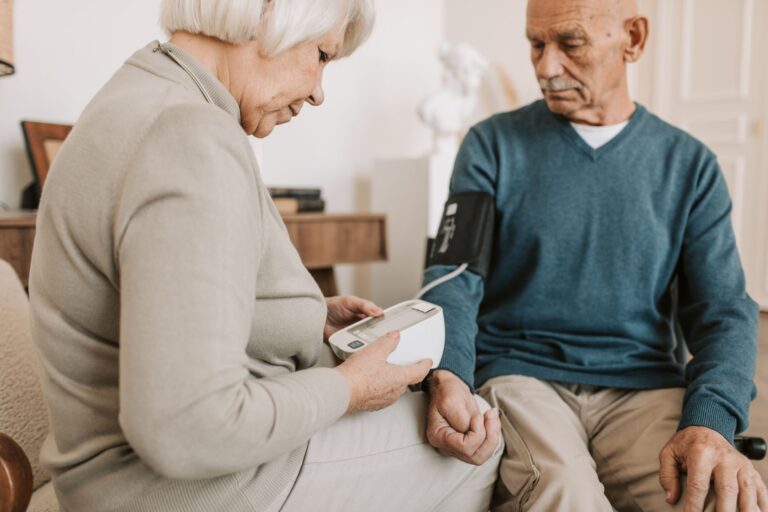
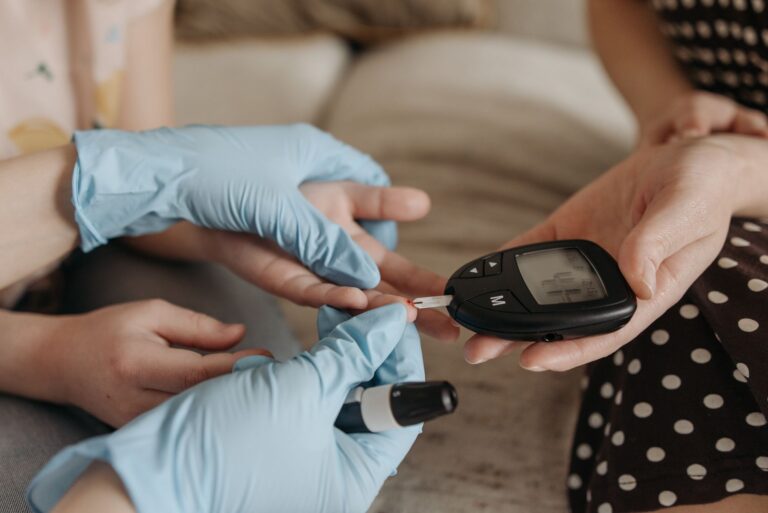
Vascular care protects thinking. WHO emphasizes managing hypertension, diabetes and high cholesterol in the same adult population. Treat these visits as brain visits too. Bring a medication list, home blood-pressure readings and recent blood-sugar results. Ask what target fits you, what to recheck and when.
Small steady control matters more than short strict efforts. Hearing deserves a place in the plan. WHO says hearing aids may be offered as part of a broader dementia-risk strategy. Get a hearing check if you ask people to repeat words, turn up the television or avoid phone calls. If aids are prescribed, wear them daily and return for fitting help.
How can you start this month?
Start with three linked steps, then review. A small routine you keep will help more than a strict routine you drop.
Skip unproven shortcuts. WHO does not recommend vitamin B, vitamin E or omega-3 without deficiency, and it adds air-pollution reduction to the wider strategy. Spend that money on walking shoes, produce or a hearing-test copay instead.
- Move most days in short bouts, such as morning and evening walks.
- Add one weekly mental and social date, such as a puzzle group or choir.
- Book one care visit for blood pressure, diabetes, cholesterol and hearing.
- Clear one friction point, such as loud television, missed pills or solo evenings.
You Might Also Like
- Social Connection in the 2026 WHO Dementia Guideline: How Adults Over 65 Can Build a Realistic Brain Health Plan
- Smoking and Alcohol in the 2026 WHO Dementia Guideline: How Adults Over 65 Can Build a Realistic Brain Health Plan
- High Cholesterol in the 2026 WHO Dementia Guideline: How Adults Over 65 Can Build a Realistic Brain Health Plan