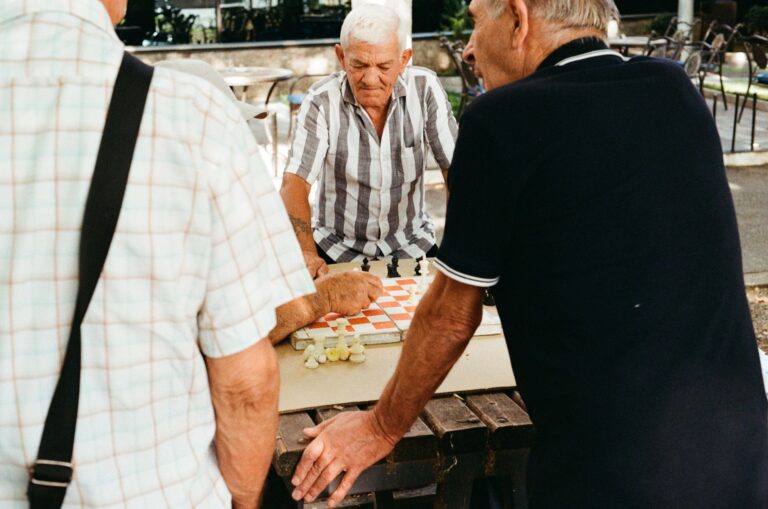
Adults over 65 can protect brain health by pairing regular social contact with exercise, healthy diet, and vascular care. Social connection means repeated, meaningful interaction with other people, not simply being around others. The World Health Organization published the second edition of its dementia risk-reduction guideline on 15 July 2026, updating its 2019 advice, and said up to 45% of dementia risk could be prevented or delayed by addressing modifiable risks the WHO announcement. That framing makes social activity one part of a broader prevention plan, not a stand-alone fix.
Medical information disclaimer: This article is for general educational purposes only and does not provide medical advice, diagnosis, or treatment. Always consult a physician or other qualified health professional about symptoms, medications, tests, or treatment decisions.
Official resources:
- Read the official guidance from Who — Use this primary source to verify the official guidance.
- Read the original argument from Nature — Use this page to read the original argument in context.
Table of Contents
- What did WHO recommend about social activity?
- Who should act on this advice?
- What does a realistic weekly plan look like?
- How can you stay socially active with limited energy?
What did WHO recommend about social activity?
According to the World Health Organization summary via Guideline Central, social-activity interventions may be recommended for adults with normal cognition or mild cognitive impairment to reduce dementia risk the Guideline Central summary. Mild cognitive impairment means noticeable memory or thinking changes that do not prevent daily independence.
That advice is conditional and based on very-low certainty evidence, according to the World Health Organization guideline text via the Veneto Region mirror the WHO guideline text. In plain terms, organized social activity is a reasonable option because benefit is possible. It does not prove that loneliness alone causes dementia.
Who should act on this advice?
Adults over 65 with normal thinking can use social routines to stay engaged and active. People who notice memory slips, word-finding trouble, or slower planning can also discuss organized activity with a clinician.
Family members can help by looking for shrinking routines. Warning signs include fewer outings, dropped hobbies, short calls replacing visits, and Sundays with no planned contact. A useful response is to add one fixed weekly commitment rather than vague plans to meet more often.
What does a realistic weekly plan look like?
A workable week pairs people time with movement, food, sleep, and vascular checks. Keep each piece small enough to repeat for months. Regular contact matters more than occasional large gatherings.
The World Health Organization advises adults 65 and older to get at least 150 minutes of moderate aerobic activity weekly, plus strength and balance work while limiting sedentary time the WHO physical-activity recommendations. Moderate activity raises breathing and heart rate while still allowing conversation. Brisk walking, cycling, water exercise, and dancing are common examples.
- Join one fixed social activity with movement, such as a walking group, dance class, volunteer shift, or club.
- Add one thinking-with-others activity, such as cards, choir, language practice, cooking together, or a library program.
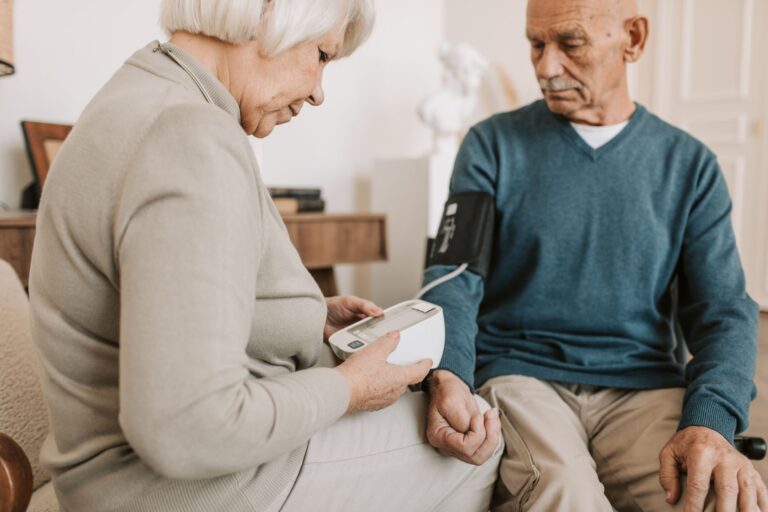
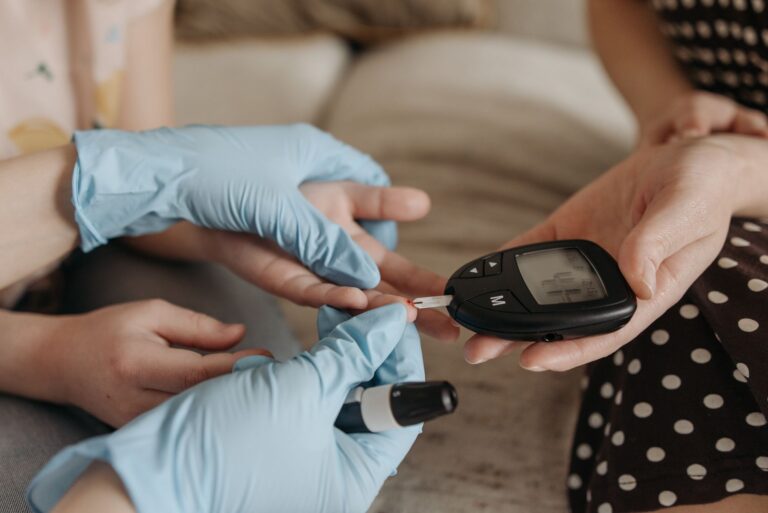
- Schedule blood pressure, diabetes, cholesterol, hearing, vision, smoking, alcohol, diet, and mood checks into primary care.
- Limit long sitting by standing, stretching, or walking briefly during television, reading, and travel days.
How can you stay socially active with limited energy?
Choose roles with clear start times and an easy exit. A one-hour volunteer desk, a morning coffee group, or a shared ride to services is easier to sustain than open-ended hosting. Combine connection with errands you already do.
Walk with a neighbor, shop with a relative, call family during a steady walk, or eat lunch at a senior center. If hearing loss, low vision, pain, low mood, or transport problems block outings, treat those barriers as part of the brain-health plan. Ask a clinic, pharmacist, faith group, library, or local aging service about captions, aids, seating, home visits, and rides.
You Might Also Like
- High Cholesterol in the 2026 WHO Dementia Guideline: How Adults Over 65 Can Build a Realistic Brain Health Plan
- Hearing Aids in the 2026 WHO Dementia Guideline: How Adults Over 65 Can Build a Realistic Brain Health Plan
- Diabetes in the 2026 WHO Dementia Guideline: How Adults Over 65 Can Build a Realistic Brain Health Plan