The 2026 WHO dementia guideline treats blood pressure control as general hypertension care, not a separate brain-health prescription for people over 65. Adults over 65 can build a realistic plan by treating diagnosed hypertension, staying active, avoiding tobacco, and eating a balanced diet.
Hypertension means persistently high pressure in the arteries. Dementia means a decline in memory and thinking that interferes with daily life. The World Health Organization published the second edition of its dementia risk-reduction guidelines on 15 July 2026, updating the 2019 edition.
Medical information disclaimer: This article is for general educational purposes only and does not provide medical advice, diagnosis, or treatment. Always consult a physician or other qualified health professional about symptoms, medications, tests, or treatment decisions.
Official resources:
- Read the official guidance from Who — Use this primary source to verify the official guidance.
- Read the official guidance from Who — Use this primary source to verify the official guidance.
Table of Contents
- What WHO says about blood pressure and dementia
- Why there is no separate brain-health target after 65
- Where does below 130 fit?
- A realistic over-65 plan built around proven pillars
- What to bring to the next visit
What WHO says about blood pressure and dementia
For dementia prevention specifically, WHO says hypertension management may be offered to adults with hypertension. The recommendation is conditional and based on very-low-certainty evidence for dementia outcomes, according to the Guideline Central summary of the WHO guidance.
That wording matters for decisions after 65. It supports treatment when hypertension is present. It does not promise that lowering blood pressure will prevent dementia in any one person.
Why there is no separate brain-health target after 65
WHO does not set a dementia-specific blood-pressure number for adults over 65. WHO directs hypertension care through its existing HEARTS cardiovascular package, according to the guideline record.
In practice, that means blood-pressure decisions stay in routine cardiovascular care. Measurement, medication choice, follow-up intervals, and other conditions shape the plan. Brain health is one reason to stay in that care, not a separate track.
Where does below 130 fit?
The American College of Cardiology reports that the 2025 AHA/ACC multisociety adult hypertension guideline recommends a systolic goal below 130 mm Hg for adults with hypertension to prevent mild cognitive impairment and dementia, described in the 2025 hypertension guideline update. Systolic is the upper number in a reading.
That number comes from cardiology guidance, not from WHO as a dementia-specific target. Readers over 65 should not adopt it alone. Ask a clinician whether it fits personal history, frailty, fall risk, kidney function, and other medicines.
A realistic over-65 plan built around proven pillars
WHO strongly recommends physical activity for adults with normal cognition and tobacco cessation for tobacco users to lower cognitive-decline risk. Those two steps carry stronger WHO language than blood-pressure treatment for dementia prevention alone.
A workable weekly plan links heart care with daily habits: WHO recommends a healthy balanced diet but strongly recommends against vitamin B or E, omega-3, or multivitamin supplements for dementia prevention. Food supports the plan better than extra pills.
- Keep hypertension appointments, take prescribed medicines as directed, and bring home readings when asked.
- Build movement into the week, such as brisk walks, cycling, water exercise, or strength sessions suited to balance and joints.
- Get help to quit tobacco, including counseling, quit lines, or approved medicines where available.
- Eat a healthy balanced diet with vegetables, fruit, whole grains, legumes, nuts, and fewer sugary drinks, salty snacks, and heavily processed meats.
What to bring to the next visit
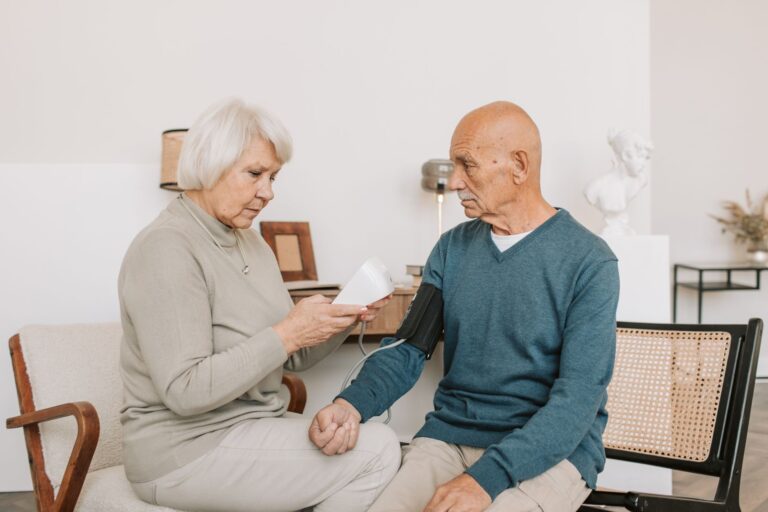
Write down recent readings, measurement times, symptoms such as dizziness, and missed doses. Bring the full medicine and supplement list, including over-the-counter pain relievers and cold remedies that can raise pressure.
Ask which home cuff fits the arm, how often to measure, and what change should prompt a call. The World Health Organization estimates in its news announcement on the 2026 guidelines that up to 45 percent of dementia risk could be prevented or delayed by addressing modifiable factors across life, a population estimate rather than an individual guarantee.
You Might Also Like
- Hearing Aids in the 2026 WHO Dementia Guideline: How Adults Over 65 Can Build a Realistic Brain Health Plan
- The WHO 45% Modifiable Dementia Risk Estimate in 2026: How Adults Over 65 Can Build a Realistic Brain Health Plan
- WHO’s Second Dementia Risk-Reduction Guideline in 2026: How Adults Over 65 Can Build a Realistic Brain Health Plan