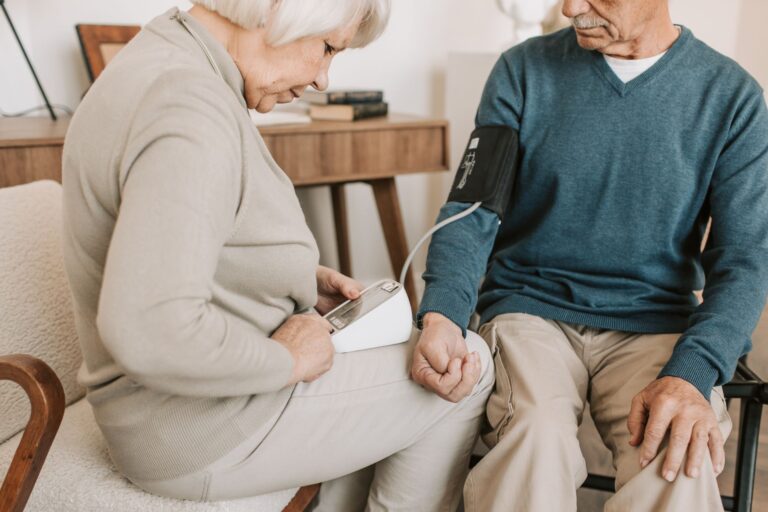
The 2026 WHO dementia guideline says management of diabetes may be offered to adults with diabetes to reduce risk of cognitive decline and dementia. Adults over 65 can combine that care with regular physical activity, cognitive and social activity, blood-pressure control, and a balanced diet. Cognitive decline means a gradual loss of memory, thinking, and reasoning skills. The World Health Organization, via the Global Dementia Observatory, published the second edition of its risk-reduction guideline on 15 July 2026 and concluded up to 45% of dementia risk could be prevented or delayed by addressing modifiable factors WHO risk-reduction guideline page.
Medical information disclaimer: This article is for general educational purposes only and does not provide medical advice, diagnosis, or treatment. Always consult a physician or other qualified health professional about symptoms, medications, tests, or treatment decisions.
Official resource:
- Read the official guidance from Globaldementia — Use this primary source to verify the official guidance.
Table of Contents
- What does the diabetes recommendation mean?
- How much does diabetes raise dementia risk?
- What goes into a realistic plan after 65?
- What should you skip or discuss with your doctor?
What does the diabetes recommendation mean?
The diabetes recommendation is conditional and based on very low certainty evidence, according to the Guideline Central summary. It says diabetes management may be offered to adults with diabetes to lower risk of cognitive decline or dementia. Conditional means clinicians weigh likely benefits, harms, and patient preferences.
The recommendation complements rather than replaces existing WHO diabetes-care guidance. The World Health Organization, via the Global Dementia Observatory, says it should be delivered through primary care, healthy-ageing programmes, and multidomain interventions. In practice, brain-health advice belongs inside routine diabetes visits, not as a separate treatment.
How much does diabetes raise dementia risk?
Diabetes substantially raises dementia risk, with midlife diabetes more strongly linked than later-onset diabetes. The International Diabetes Federation Europe reports about 1.5 times higher risk of Alzheimer's disease and 2.5 times higher risk of vascular dementia IDF Europe report on diabetes and dementia. Vascular dementia involves reduced blood flow to the brain.
Type 2 diabetes increases risk in proportion to duration and severity, but diabetes alone does not mean dementia will develop. The Alzheimer's Society UK notes that onset at age 70 or later may not affect risk. Good control, shorter exposure, and fewer complications point toward lower added risk.
What goes into a realistic plan after 65?
For adults over 65 with normal cognition, WHO via the Guideline Central summary recommends regular physical activity and encourages cognitive stimulation, cognitive training, and social activity. WHO via the Global Dementia Observatory adds tobacco cessation, hypertension and midlife dyslipidaemia management, hearing aids when hearing loss is present, and a healthy balanced diet.
Dyslipidaemia means unhealthy blood cholesterol or triglyceride levels. A workable weekly plan links these actions to diabetes care:.
- Move often: brisk walking, cycling, strength work, and balance practice.
- Train the brain: reading, classes, puzzles, or structured memory training.
- Stay connected: clubs, volunteering, meals with family or friends.
- Control vascular risks: take prescribed medicines, check blood pressure and blood sugar, avoid tobacco, and treat hearing loss.
What should you skip or discuss with your doctor?
WHO advises against routinely using vitamin B, vitamin E, omega-3, or multivitamin and mineral supplements specifically to prevent cognitive decline without a diagnosed deficiency, according to the Guideline Central summary. Food, activity, sleep, and prescribed medicines matter more for most people.
Ask your doctor before starting any brain-health supplement. Use primary care to make the plan stick. Bring your blood sugar log, blood pressure readings, medicine list, and any hearing concerns to your next visit.
You Might Also Like
- Hearing Aids in the 2026 WHO Dementia Guideline: How Adults Over 65 Can Build a Realistic Brain Health Plan
- Blood Pressure in the 2026 WHO Dementia Guideline: How Adults Over 65 Can Build a Realistic Brain Health Plan
- The WHO 45% Modifiable Dementia Risk Estimate in 2026: How Adults Over 65 Can Build a Realistic Brain Health Plan