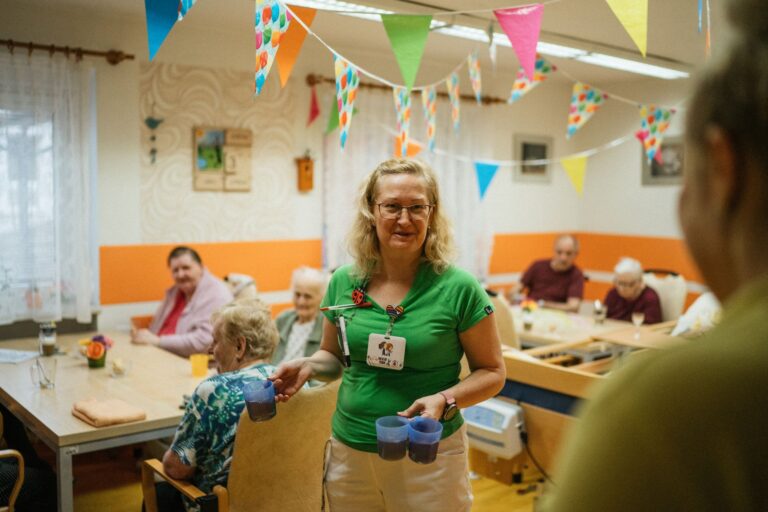
Storytelling activities for dementia care are guided conversations that use photos, music, objects, and prompts to support communication, mood, and connection when memory fails. They include reminiscence therapy, a structured approach that revisits past experiences for comfort and mental stimulation, plus life-story work and creative group storytelling. A caregiver can lead many versions at home with familiar items. These activities aid engagement and talk, but they do not bring back lost memory.
Medical information disclaimer: This article is for general educational purposes only and does not provide medical advice, diagnosis, or treatment. Always consult a physician or other qualified health professional about symptoms, medications, tests, or treatment decisions.
Table of Contents
- What do reminiscence and life-story work involve?
- What does the evidence show?
- How does TimeSlips remove pressure to remember?
- How can caregivers lead storytelling at home?
What do reminiscence and life-story work involve?
According to Alzheimer's Association guidance on reminiscence therapy in daily care, reminiscence therapy is often led by trained professionals. It uses guided conversation with music, photos, stories, art, and familiar objects to promote comfort, pleasure, and mental stimulation.
Alzheimer's Society UK describes life-story work as building a personal record of key people, places, and experiences. It describes reminiscence work as talking through a past period, event, or subject to support identity and communication despite memory loss.
What does the evidence show?
A 2018 Cochrane systematic review pooled 22 randomized trials with 1,972 people with dementia. Effects varied by setting and format, with some evidence of improved quality of life, cognition, communication, and possibly mood, but the Cochrane review of reminiscence therapy found all benefits were small.
A 2023 systematic review and meta-analysis reported by study authors via ScienceOpen found creative story therapy plus routine nursing improved cognitive function, lowered depression scores, and improved quality of life and social communication versus routine nursing alone. The contrast matters for families choosing enrichment: storytelling adds engagement, not a cure.
How does TimeSlips remove pressure to remember?
University of Missouri-Columbia researchers describe TimeSlips as a drug-free group method that starts with a funny or surreal image. The facilitator invites imagined responses instead of facts, treats every comment as valid, writes each one down, and reads the co-created story back to celebrate strengths. In their program for mild-to-moderate dementia, one-hour sessions ran twice weekly for six weeks. The team observed more expressions of pleasure and more initiation of social communication.
Mood gains lasted several weeks afterward, according to University of Missouri-Columbia reporting via ScienceDaily on TimeSlips storytelling. Penn State College of Medicine reported a related effect on facilitators. Fourth-year medical students led TimeSlips for one month with groups of 5-10 residents with advanced dementia. Their overall Dementia Attitudes Scale scores improved, including comfort with and knowledge about interacting with people with dementia.
How can caregivers lead storytelling at home?
The Alzheimer's Association presents these as low-cost, person-centered enrichment. Keep sessions short, calm, and led by the person. Choose one clear prompt, limit background noise, and sit where eye contact feels easy.
Follow the person's lead and validate each response. Try these prompts: Stop or change course if the person seems tired, confused, or upset. The goal is present comfort and connection, not correct recall.
- Open a photo album and ask what catches the eye.
- Play a familiar song and invite memories or movement.
- Fill a memory box with safe keepsakes to hold and describe.
- Start a life-story book with key people, places, and events.