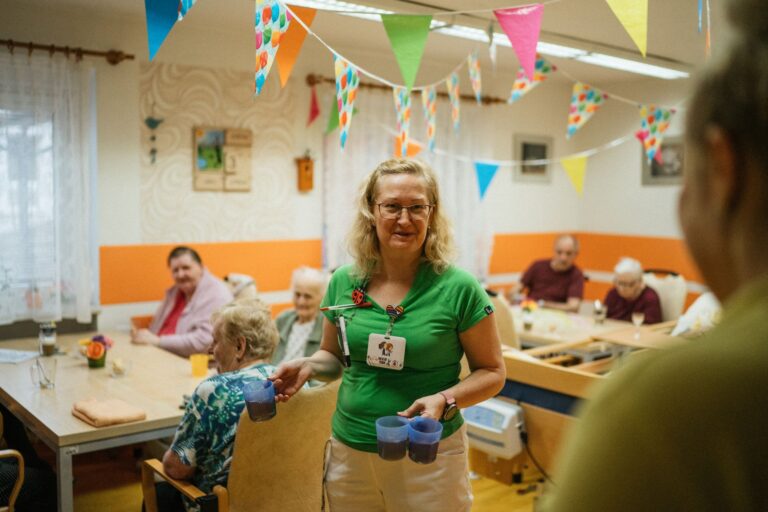
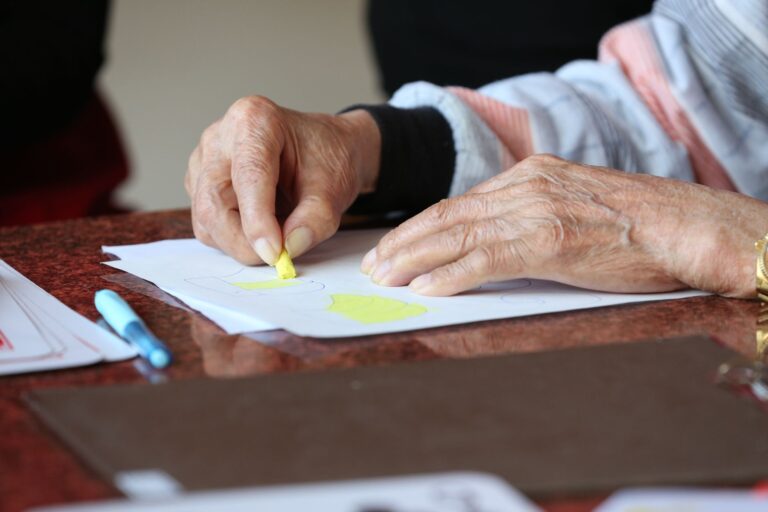
At home, dementia care activities center on familiar tasks like household chores, music, art, walks, and time with children or pets. In assisted living with memory care, activities center on structured small-group therapeutic programming and consistent daily routines. Dementia care means hands-on help that keeps a person safe, engaged, and comfortable as thinking and function change. The right choice depends on remaining skills, interests, safety needs, and how much daily support a caregiver can give.
Medical information disclaimer: This article is for general educational purposes only and does not provide medical advice, diagnosis, or treatment. Always consult a physician or other qualified health professional about symptoms, medications, tests, or treatment decisions.
Table of Contents
- What does a full day look like at home?
- How is physical activity handled at home?
- What changes in assisted living with memory care?
- How do you pick the better fit?
What does a full day look like at home?
A home day works best with a steady plan for bathing, meals, activities, and bedtime. According to the Alzheimer's Association, caregivers should build that plan around likes, dislikes, strengths, abilities, and interests, valuing joy and accomplishment over performance, as described in daily care plan guidance. Engagement comes from ordinary life, adapted to what the person can still do.
BrightFocus Foundation resources recommend household tasks, music, art, puzzles, picture books, gardening, walking, folding clothes, and time with children or pets, as listed in activities for people with Alzheimer's and dementia. Short, simple movement helps keep the day calm and active. Morning exercise, a daily walk together, and simple steps work well when clothes, shoes, and safety needs fit the person.
How is physical activity handled at home?
Movement at home should be brief, regular, and easy to follow. The National Institute on Aging guidance recommends short 10-minute mini-workouts, a daily walk together, morning exercise, and simple steps, with safe clothes, shoes, and ID if walking alone, as outlined in exercise and physical activity caregiving tips. Keep the route familiar, flat, and close to home.
Walk at the same time each day so it becomes habit rather than negotiation. Stop and rest when attention fades or footing looks unsure. One good 10-minute walk beats a long walk that causes fear or fatigue.
What changes in assisted living with memory care?
Assisted living with memory care replaces do-it-yourself planning with scheduled therapeutic programming. Saga Senior Living describes structured, small-group offerings such as music therapy, art, sensory activities, reminiscence groups, guided exercise, and consistent daily routines to reduce anxiety and confusion, as summarized in assisted living versus memory care comparison. Groups stay small so staff can cue each step and adjust difficulty.
Routines repeat at the same times and places, which lowers confusion about what comes next. Social contact is built into the day rather than arranged by family. Meals, music, art, and exercise bring residents together with staff support.
How do you pick the better fit?
Match the setting to supervision needs and activity response. Choose home when familiar people, pets, and household roles still spark interest and one or two caregivers can guide safety all day.
Consider assisted living with memory care when wandering, missed meals, missed medications, or loneliness persist despite a schedule. Consistent staffing, locked-safe design, and all-day programming matter more then. Start with one familiar task today, note the response, and adjust difficulty tomorrow.
- List current interests, strengths, and triggers for agitation.
- Try two home adaptations for two weeks: one chore and one walk.
- Ask a residence what groups run daily, how large groups are, and how routines stay consistent.
- Visit during an activity and watch whether staff join in or only supervise.