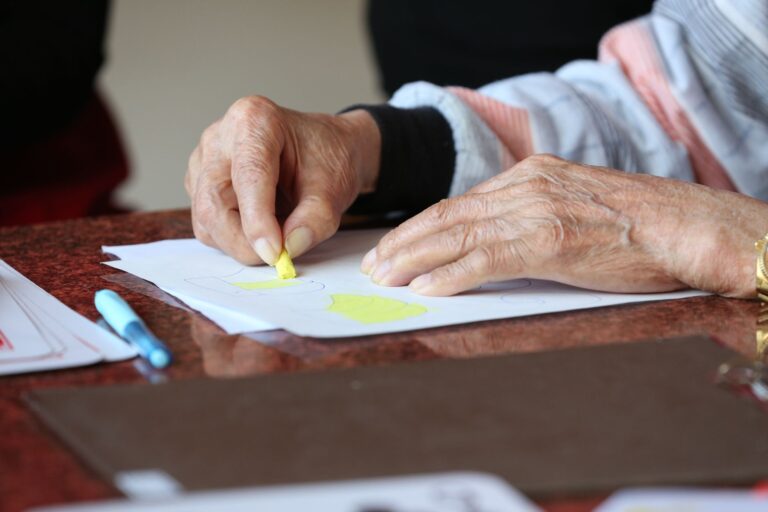
Structured, pleasant activities matched to interests and abilities often reduce agitation and improve mood in dementia, according to the Alzheimer's Association Daily Care Plan. Helpful options include a short walk, gardening together, music with clapping or dancing, and simple art projects. Agitation means restlessness, anxiety, pacing, irritability, or shouting tied to confusion and unmet needs. The right activity diverts attention, gives restless energy an outlet, and restores a sense of control.
Medical information disclaimer: This article is for general educational purposes only and does not provide medical advice, diagnosis, or treatment. Always consult a physician or other qualified health professional about symptoms, medications, tests, or treatment decisions.
Table of Contents
- Match the activity to the person
- What to try when agitation starts
- Why do music and art often help?
- How to ease evening agitation?
Match the activity to the person
Start with past interests, work roles, and current abilities. A former gardener may pot plants. A music lover may sing familiar songs. A handy person may fold towels, sort tools, or wipe tables.
Keep tasks short, simple, and failure-free. Offer one step at a time. Allow extra time and praise effort. Stop and switch if frustration rises.
- Offer choices between two familiar options, not open-ended questions
- Use simple materials with large handles, bright colors, and clear contrast
- Work side by side rather than giving instructions from across the room
What to try when agitation starts
Act early and stay calm. Speak slowly in a low, steady voice. Reduce background noise and turn off competing TVs or radios.
Offer movement or a pleasant distraction right away. The Alzheimer's Association advises exercise such as a walk, gardening together, or putting on music and dancing. Art, music, or another engaging activity helps divert attention from anxiety, while a walk or car ride gives restless energy an outlet.
- Invite a short walk, gentle stretching, or dancing to familiar music
- Bring out paint, crayons, clay, a photo album, or a simple puzzle
- Offer water, a snack, and a bathroom break, then change rooms or lighting
Why do music and art often help?
Music can reach mood and memory when words fail. Studies show music may reduce agitation and behavioral issues common in middle-stage dementia, according to the Alzheimer's Association music and art therapy guide. Caregivers should encourage clapping or dancing while avoiding sensory overload from competing noise. Choose familiar, liked songs at low volume. Sing along, tap rhythm, or move together.
For art, pick clear tasks like coloring, collage, or arranging flowers. A systematic review of randomized trials found protocol-based activities and music therapy reduced overall agitation, as reported in the British Journal of Psychiatry review. Person-centered care and sensory approaches helped severe agitation for up to six months in that review. That means fit matters more than novelty. Watch the face and body for calm, smiles, or more tension. Keep what soothes and drop what excites.
How to ease evening agitation?
Late-day confusion, called sundowning, brings pacing, worry, and outbursts. Keep days structured and evenings quiet. The Alzheimer's Association advises scheduling appointments, trips, and bathing for morning or early afternoon, keeping regular sleep, meal, and sunlight routines, and cutting evening TV, chores, and loud music sundowning guide. Reduce noise, clutter, and people in the room after dinner.
Close curtains, turn on soft lights, and play quiet music. Offer a favorite snack, blanket, object, or calm activity like reading or a short walk. First check pain, hunger, thirst, fatigue, infection, or new medications. Try non-drug approaches before drugs. Seek prompt medical help if aggression worsens or someone may get hurt.