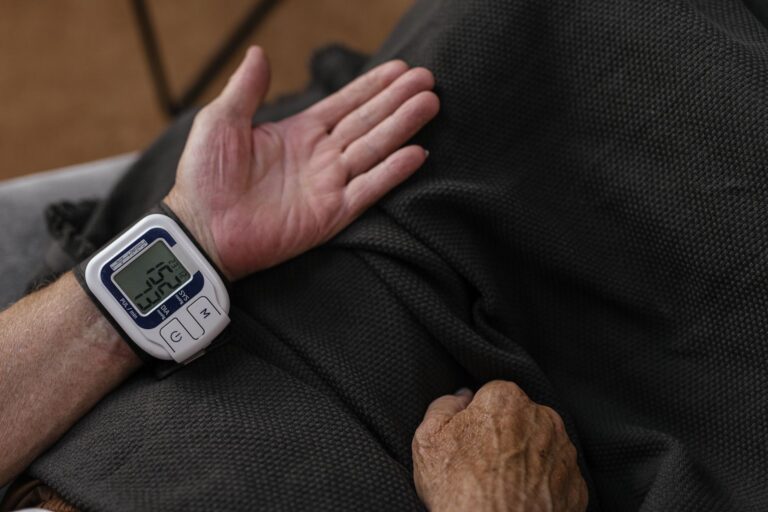
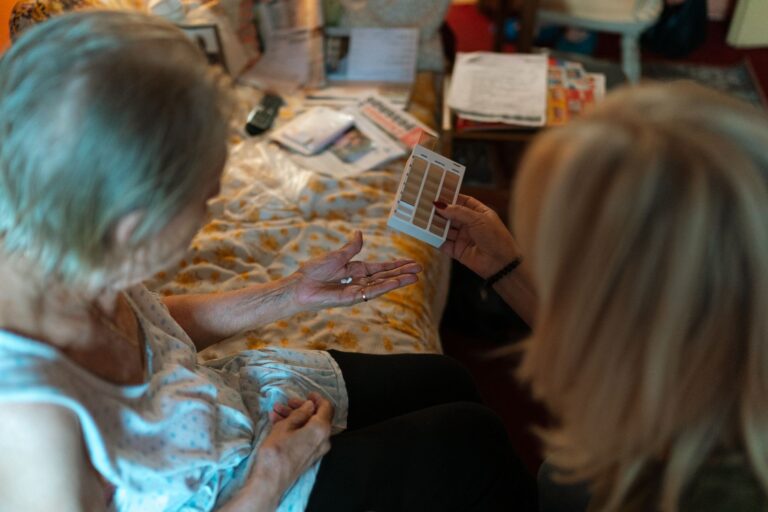
Stage 7 dementia is the most severe stage on the Functional Assessment Staging, or FAST, scale. A person typically has very limited speech, needs extensive help with personal care, and gradually loses the ability to walk, sit upright, smile, and hold up the head. Swallowing often becomes less coordinated, raising the risk of choking, dehydration, weight loss, and aspiration. End-of-life care focuses on comfort, dignity, symptom relief, and decisions that reflect the person’s values. For example, someone who previously walked with assistance may begin leaning heavily to one side, coughing during meals, and sleeping through much of the day. Stage 7 does not mean that death is necessarily imminent.
Decline may unfold unevenly, and the FAST scale does not predict an exact life expectancy. Some people remain in advanced dementia for a prolonged period, while infections, falls, aspiration, or other medical problems can accelerate deterioration. A sudden loss of mobility or alertness should not automatically be attributed to dementia because pain, medication effects, constipation, dehydration, infection, or stroke may be responsible. Families often face difficult tradeoffs during this stage. Hospital treatment may address a reversible illness but also expose the person to unfamiliar surroundings, invasive procedures, restraints, or delirium. Comfort-focused care may reduce those burdens, but it requires clear planning for symptoms such as breathlessness, agitation, fever, and difficulty eating.
Medical information disclaimer: This article is for general educational purposes only and does not provide medical advice, diagnosis, or treatment. Always consult a physician or other qualified health professional about symptoms, medications, tests, or treatment decisions.
Table of Contents
- What Does Stage 7 Dementia Mean for Mobility, Swallowing, and End-of-Life Care?
- Mobility Loss and Physical Changes in Stage 7 Dementia
- Swallowing Difficulties, Aspiration, and Nutrition
- Practical Comfort Care and Daily Decision-Making
- Common Complications and Signs That the Person May Be Nearing Death
- Hospice, Palliative Care, and Family Support
- Advance Care Planning and Decisions About Medical Treatment
- Frequently Asked Questions
What Does Stage 7 Dementia Mean for Mobility, Swallowing, and End-of-Life Care?
stage 7 describes profound functional impairment rather than a single set of symptoms shared by everyone. In the FAST framework, progressive substages reflect the loss of meaningful speech, independent walking, upright sitting, smiling, and head control. A person may speak only a few recognizable words, become unable to express pain clearly, and depend on caregivers for bathing, dressing, toileting, eating, and repositioning. The sequence is a guide, not an inflexible rule. Someone with vascular dementia, Lewy body dementia, Parkinson’s disease dementia, or a history of stroke may lose mobility earlier than the FAST pattern suggests.
Another person may still take a few supported steps while having severe communication and swallowing problems. Compared with earlier dementia, when reminders or supervision may be sufficient, stage 7 generally requires hands-on assistance throughout the day and night. Loss of function can also hide treatable illness. A person who suddenly stops standing may have a urinary infection, fracture, low blood pressure, or painful arthritis rather than a new dementia substage. New facial drooping, one-sided weakness, severe breathing difficulty, blue or gray lips, unresponsiveness, or repeated choking requires prompt medical assessment according to the person’s care plan.
Mobility Loss and Physical Changes in Stage 7 Dementia
Mobility commonly changes from slow or unsteady walking to dependence on another person, a transfer device, or a wheelchair. Later, the person may be unable to bear weight or maintain a seated position without support. Muscle stiffness, contractures, weakness, poor balance, impaired depth perception, and difficulty understanding instructions can all contribute. Saying “stand up” may no longer work even when some physical strength remains because the brain cannot reliably plan and sequence the movement. Safe assistance should match the person’s current ability.
A physical or occupational therapist may recommend a gait belt, mechanical lift, pressure-relieving cushion, supportive chair, or hospital-style bed. For example, pivoting a person who can no longer bear weight may injure both the person and caregiver; a properly fitted lift can reduce that risk. Equipment still requires training, and improvised lifting under the arms can cause pain, shoulder injury, skin tears, or a fall. Immobility increases the likelihood of pressure injuries, constipation, chest congestion, blood clots, and painful joint stiffness. Regular repositioning, skin checks, gentle range-of-motion activity, continence care, and appropriate seating may help, but frequent handling can also be distressing. If turning causes severe pain or agitation, the care team may adjust positioning techniques, timing, support surfaces, or pain medication rather than forcing a rigid schedule.
Swallowing Difficulties, Aspiration, and Nutrition
Advanced dementia can disrupt every stage of eating. A person may not recognize food, open the mouth, chew effectively, or remember to swallow. Food may remain in the cheeks, liquids may spill from the mouth, or swallowing may occur only after a long delay. Coughing, throat clearing, a wet-sounding voice, watery eyes, breathlessness, or repeated chest infections can suggest that food or liquid is entering the airway, although aspiration can occur without obvious coughing. A speech-language pathologist can assess swallowing and recommend safer positioning, pacing, food textures, or drinking methods. A typical meal might involve seating the person as upright as possible, offering half-spoonfuls, waiting for each swallow, and checking the cheeks for retained food.
The person should not be fed while lying flat, very drowsy, or actively coughing. Thickened liquids may reduce aspiration in some circumstances, but they can be disliked and may reduce fluid intake, so their benefits and burdens need individual review. Weight loss does not always mean that a caregiver is failing to provide enough food. The body may process food differently near the end of life, and forcing intake can cause choking, distress, vomiting, or aspiration. Careful hand feeding allows attention to comfort and social contact. Feeding tubes can deliver calories and medication, but they do not restore normal swallowing and do not reliably eliminate aspiration because saliva and stomach contents can still enter the lungs.
Practical Comfort Care and Daily Decision-Making
Daily care is often more manageable when it follows the person’s cues rather than a fixed routine. Caregivers can approach from the front, explain one action at a time, keep the environment quiet, and pause when the person grimaces, stiffens, turns away, or closes the mouth. Mouth care is especially important because dryness, sores, broken teeth, poorly fitting dentures, or oral infection can make eating painful and increase bacterial buildup. Comfort feeding involves offering food and drink while the person is willing, alert, and able to accept them without marked distress. The tradeoff is that intake may be lower than with artificial feeding, but meals can remain focused on taste, touch, and comfort.
Favorite foods may be more acceptable than nutritionally ideal choices. A person who refuses a full meal might still enjoy several spoonfuls of yogurt, pudding, or mashed fruit, provided the texture fits the swallowing plan. Comfort-focused treatment does not mean withholding all medical care. It may include oxygen when helpful, medication for pain or breathlessness, treatment of constipation, wound care, antibiotics in selected situations, and calming measures for anxiety. The care plan should specify when hospital transfer is desired and when symptoms should instead be treated at home, in a care facility, or through hospice services.
Common Complications and Signs That the Person May Be Nearing Death
Common complications include aspiration pneumonia, urinary infections, dehydration, pressure injuries, falls, fever, and worsening contractures. Pain may appear as moaning, guarding, rapid breathing, clenched hands, resistance to care, or a sudden change in behavior. Agitation should not automatically be treated as a psychiatric symptom; urinary retention, constipation, an uncomfortable position, hunger, medication effects, or untreated pain may be the cause. Changes that may occur as death approaches include spending nearly all the time asleep, taking only small sips or no longer accepting food, producing less urine, developing cool or mottled hands and feet, and having irregular breathing with pauses.
No single sign provides an exact timeline. Similar changes can result from dehydration, medication, infection, or another acute illness, so clinicians should interpret them in the context of the person’s overall condition and stated treatment goals. Families should seek immediate guidance if symptoms are uncontrolled, breathing appears distressing, choking is recurrent, pain seems severe, or the care plan is unclear. Trying to give food, fluids, or pills to someone who cannot stay awake or swallow safely can cause aspiration. A nurse or prescriber may be able to change essential medicines to liquid, dissolvable, transdermal, rectal, or injectable forms while discontinuing drugs that no longer provide meaningful benefit.
Hospice, Palliative Care, and Family Support
Palliative care can support comfort and decision-making at any point in a serious illness, while hospice generally serves people whose clinicians believe they are approaching the end of life and who meet program-specific eligibility requirements. A stage number alone may not establish eligibility.
Teams also consider functional dependence, nutritional decline, recurrent infections, swallowing problems, and the broader clinical course. Hospice services may include nursing visits, symptom medications, equipment, personal-care assistance, counseling, and after-hours guidance, but they do not usually provide continuous bedside caregiving. For example, a family caring for someone at home may receive a hospital bed and scheduled visits yet still need relatives or paid caregivers to cover most hours of the day.
Advance Care Planning and Decisions About Medical Treatment
Advance directives, health care proxy documents, portable medical orders, and documented conversations can guide decisions when the person can no longer communicate. Plans may address cardiopulmonary resuscitation, hospitalization, antibiotics, intravenous fluids, tube feeding, and preferred place of care.
A do-not-resuscitate order applies specifically to attempted resuscitation after cardiac or respiratory arrest; it does not by itself prohibit pain relief, oxygen, antibiotics, hand feeding, or other appropriate treatment. When prior instructions are unavailable, the legally authorized decision-maker generally considers what the person would have wanted, along with the likely benefits and burdens of each intervention. A practical care document should include the decision-maker’s contact information, the clinician or hospice number, current medication instructions, transfer preferences, and what caregivers should do after hours if the person develops choking, fever, pain, or breathing distress.
Frequently Asked Questions
Can a person with stage 7 dementia still recognize family members?
Recognition may be inconsistent or impossible to confirm because speech and facial expression are severely limited. The person may still respond to a familiar voice, gentle touch, music, scent, or routine even when they cannot name the visitor.
Should someone with swallowing problems stop eating by mouth?
Not automatically. A swallowing assessment can identify safer techniques and textures. Some people continue careful hand feeding for comfort, while severe distress, repeated choking, or reduced alertness may require the plan to be changed.
Does sleeping more mean death is very close?
Increased sleep can occur as dementia advances, but it does not establish a precise timeline. Infection, dehydration, medication effects, pain, and other treatable conditions can also cause unusual drowsiness.
Is hospice available only during the final days?
No. Hospice can sometimes begin earlier when eligibility criteria are met, allowing time for symptom management, equipment, caregiver teaching, and planning. Eligibility and covered services vary by program and location.
What should caregivers do if the person refuses food?
Check for pain, mouth problems, constipation, nausea, fatigue, poor positioning, or an unsuitable texture. Offer small amounts without pressure and stop if the person turns away, keeps the mouth closed, coughs repeatedly, or appears distressed.