Reviewed by the Help Dementia Editorial Team — our editors review every article for accuracy against guidance from the National Institute on Aging, the Alzheimer’s Association, and peer-reviewed sources.
Treating sleep apnea can sharpen your brain at any age—and the evidence is striking. Adults with untreated obstructive sleep apnea are 26% more likely to develop significant cognitive decline or dementia within 3 to 15 years, according to research from the National Institutes of Health. But here’s the encouraging part: this damage is largely reversible. When you treat sleep apnea, your brain begins to heal remarkably quickly, with some improvements appearing within a single night of treatment and substantial cognitive gains visible within six months.
Consider the case of a 58-year-old accountant who struggled with forgetfulness and mental fog for years. He blamed aging and stress, but sleep studies revealed severe sleep apnea—he was experiencing 40 oxygen drops per hour while sleeping. Within weeks of starting CPAP therapy, his wife noticed he was sharper at dinner conversations. After six months, his executive function tests improved significantly, and his ability to focus on complex spreadsheets returned to what it had been a decade earlier. His brain had been starved of oxygen every night, but treatment restored it.
Table of Contents
- How Does Sleep Apnea Quietly Damage Your Brain?
- Can Sleep Apnea Treatment Actually Reverse Brain Damage?
- What Changes in Your Brain When You Treat Sleep Apnea?
- Starting Sleep Apnea Treatment: What You Need to Know First
- Why Some People Struggle with Sleep Apnea Treatment
- New Treatment Options Emerging in 2025-2026
- Protecting Your Brain Through Sleep Apnea Treatment at Any Age
- Conclusion
How Does Sleep Apnea Quietly Damage Your Brain?
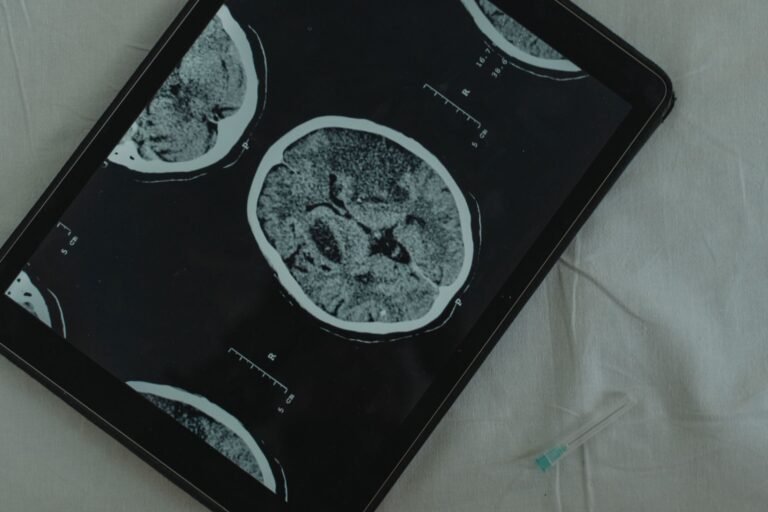
sleep apnea isn’t just about snoring or daytime tiredness. Each time your breathing stops during sleep—sometimes dozens of times per hour—your brain is being deprived of oxygen. This repeated oxygen deprivation causes measurable physical damage to brain tissue. Researchers have found that severe untreated obstructive sleep apnea causes significant reduction in white matter fiber integrity, the neural “wiring” that connects different brain regions.
This damage accompanies impairments to cognition, mood regulation, and daytime alertness that can feel like accelerated aging. The hippocampus, a seahorse-shaped brain structure critical for forming memories, appears particularly vulnerable. Studies show that sleep apnea is significantly associated with decreased hippocampal volumes, especially in individuals already experiencing cognitive impairment. Think of it this way: if your brain normally receives a steady oxygen supply like a river flowing consistently, sleep apnea creates repeated droughts. The longer these droughts persist untreated, the more permanent the damage becomes—but unlike many brain injuries, this particular damage can be reversed.
Can Sleep Apnea Treatment Actually Reverse Brain Damage?
Yes, and the timeline matters more than you might expect. This isn’t a slow process that takes years. Within a single night of continuous positive airway pressure (CPAP) treatment, your brain begins responding. Brain imaging shows improved function even before structural changes are visible. It’s as if the brain, starved of oxygen for months or years, immediately recognizes the restoration of normal breathing and starts its repair process. After three months of CPAP therapy, gray matter volume improvements begin appearing on brain scans, though cognitive gains are still limited.
By six months, the improvements become clinically meaningful: episodic memory sharpens, mental processing speed increases, and executive function—your brain’s ability to plan, organize, and shift between tasks—improves substantially. This is when people typically notice they can follow complex conversations more easily or tackle problems they’d been avoiding. At the one-year mark, the brain healing becomes dramatic: white matter abnormalities that showed severe damage on earlier scans are almost completely reversed, and cognitive tests, mood, alertness, and quality of life all show significant improvements. The caveat: this assumes consistent, nightly use of your treatment. Someone who uses CPAP only three nights a week will see slower improvements than someone committed to nightly use. Similarly, more severe apnea at baseline means more damage exists to reverse, potentially requiring longer treatment periods to see full restoration.
What Changes in Your Brain When You Treat Sleep Apnea?
The changes begin at the cellular level. When you’re breathing normally during sleep, your brain receives steady oxygen supply, allowing neurons to function properly and repair accumulated damage. White matter—the insulation around nerve fibers—begins to regenerate. The hippocampus stabilizes and regains volume. But beyond these measurable structural changes, cognitive function reshapes itself in ways you can feel.
A 67-year-old retired teacher noticed that after three months of CPAP treatment, her word-finding improved dramatically. She’d been concerned about early dementia because she struggled to recall names and specific terms during conversations. Her daughter, a neurologist, suspected sleep apnea and ordered a sleep study. The diagnosis came back: severe apnea with an apnea-hypopnea index of 42—meaning 42 breathing disruptions per hour. Within six months of treatment, not only did her word-finding return, but she started volunteering as a tutor again, something she’d reluctantly given up because her mental stamina had deteriorated. The improvements extended to her mood; untreated sleep apnea often worsens depression and anxiety, both of which improved once treatment began.
Starting Sleep Apnea Treatment: What You Need to Know First
If you suspect sleep apnea, the first step is getting accurately diagnosed through a sleep study. Home sleep tests offer convenience, but in-lab studies provide more complete information, especially if your situation is complex. Once diagnosed, CPAP remains the gold standard treatment—it works reliably and has decades of safety data. The challenge most people face is the adjustment period. CPAP masks feel strange initially, and the humidified air can feel unusual. Most people need two to three weeks before it feels normal, and this is where many give up prematurely, missing the cognitive benefits that arrive weeks later.
There are practical strategies that help. Start with mask fitting appointments where professionals ensure your mask actually fits your face shape. Use the ramp feature on your CPAP machine, which starts at low pressure and gradually increases, making the initial sensation less jarring. Some people benefit from wearing their mask while reading or watching television before bed to acclimate. The comparison between different types of CPAP (nasal masks, nose pillows, face masks) matters—what works perfectly for one person creates discomfort for another. Don’t assume your first mask choice is your last; trying two or three options is normal and worthwhile.
Why Some People Struggle with Sleep Apnea Treatment
Adherence is the hidden challenge in sleep apnea management. In studies, roughly 50% of people prescribed CPAP therapy are still using it after one year, and many use it inconsistently—perhaps five nights a week instead of seven. The cognitive benefits you’ve read about? They depend on consistent use. Missing multiple nights weekly means your brain doesn’t get the sustained oxygen restoration it needs. Some people experience dry mouth or nasal congestion despite humidification.
Others find that even properly fitting masks create skin irritation with nightly use. A warning: if you stop CPAP and resume untreated sleep apnea, your brain doesn’t immediately re-damage, but without treatment, you continue accumulating new damage and lose the cognitive gains you’ve achieved. For people who genuinely cannot tolerate CPAP despite multiple adaptation attempts, alternatives exist—positional therapy (sleeping on your side rather than your back), dental devices that reposition the jaw, or lifestyle changes including weight loss and sleep position changes. However, these generally work for mild to moderate apnea, not severe cases. This is where knowing the severity of your apnea matters; someone with mild apnea might successfully manage it through weight loss and positional therapy, while someone with severe apnea requires more aggressive intervention.

New Treatment Options Emerging in 2025-2026
Beyond CPAP, recent advances offer additional options. The most significant is Genio Hypoglossal Nerve Stimulation, an FDA-approved implanted device for people with moderate to severe obstructive sleep apnea who cannot tolerate or adequately respond to CPAP. The DREAM trial showed that 82% of participants using Genio achieved an apnea-hypopnea index below 15—essentially normalizing their breathing during sleep. The device works by stimulating the hypoglossal nerve, which controls the tongue muscles, keeping your airway open during sleep.
Recovery involves minor surgery, and there’s an adjustment period as your body adapts, but for people who’ve struggled with CPAP masks for years, the option of no mask at all proves life-changing. Additionally, the U.S. POINTER Structured Healthy Lifestyle Program demonstrated that combining multiple interventions—exercise, the MIND diet (focused on brain-healthy foods), web-based cognitive training, and comprehensive health monitoring—significantly improved oxygenation to the brain during sleep and enhanced cognitive resilience. This suggests that sleep apnea treatment works best as part of a broader brain health strategy rather than in isolation.
Protecting Your Brain Through Sleep Apnea Treatment at Any Age
Age is not a barrier to benefiting from sleep apnea treatment. Whether you’re 45 or 85, your brain retains the capacity to heal when oxygen supply is restored. Older adults sometimes assume cognitive decline is inevitable aging, when actually, undiagnosed sleep apnea may be the culprit. A 71-year-old who starts CPAP therapy sees real cognitive improvement—sometimes indistinguishable from someone who begins treatment in their fifties.
The brain’s plasticity, its ability to heal and reorganize, persists throughout life. Looking forward, sleep apnea screening may become more routine in primary care, particularly for people over 50 or those with risk factors like obesity, high blood pressure, or family history of dementia. As awareness grows that untreated sleep apnea is a modifiable dementia risk factor on par with hearing loss, cognitive inactivity, or depression, more people will be diagnosed earlier, preventing damage rather than trying to reverse it. The message is clear: if you snore, struggle with daytime sleepiness, or have been told you stop breathing during sleep, pursuing diagnosis and treatment is one of the most direct ways to protect your cognitive future.
Conclusion
Treating sleep apnea represents a rare opportunity in brain health: a condition where you can reverse existing damage while simultaneously preventing future cognitive decline. The recovery is measurable and relatively rapid, with meaningful improvements appearing within weeks and substantial restoration within months. Age is not a barrier; brains heal at 45, 65, and 85. The challenge isn’t understanding the benefit—the research is clear—it’s maintaining consistent treatment despite the adjustment period and overcoming the stigma some people feel about using CPAP or other devices.
If you’ve been putting off a sleep study or resisting sleep apnea treatment, consider this: every night without treatment is a night your brain operates at a disadvantage, missing oxygen and accumulating damage that older adults often blame on aging or dementia. Treatment is straightforward, effective, and increasingly offers options beyond CPAP. The sharper brain you could have—the one where conversations flow easily, where you find your words, where focus comes naturally—may be waiting on the other side of consistent sleep apnea treatment. That’s worth taking seriously.