Reviewed by the Help Dementia Editorial Team — our editors review every article for accuracy against guidance from the National Institute on Aging, the Alzheimer’s Association, and peer-reviewed sources.
Combining deep sits at the center of this dementia and brain health question.
Research increasingly shows that two simple habits—practicing deep breathing exercises and limiting alcohol consumption—can significantly reduce your risk of developing dementia. A growing body of evidence demonstrates that when combined, these lifestyle modifications work together to protect brain cells and improve cognitive function, potentially lowering dementia risk by 30-40% depending on consistency and individual factors. For example, a 65-year-old who adopts a daily deep breathing practice of just 15 minutes while reducing alcohol from daily drinks to occasional consumption may slow cognitive decline by several years compared to peers who maintain previous habits.
The mechanisms behind this protection are becoming clearer through neuroscience research. Deep breathing activates the parasympathetic nervous system, which reduces inflammation in the brain and improves blood flow to regions responsible for memory and thinking. Simultaneously, limiting alcohol prevents the direct toxic effects of ethanol on brain cells and reduces the inflammatory cascade that accelerates cognitive decline. Together, they create a protective environment for your neurons, much like maintaining both proper water intake and avoiding excessive heat preserves a plant’s health better than either action alone.
Table of Contents
- How Deep Breathing and Alcohol Reduction Combat Cognitive Decline
- Understanding the Neurological Impact of These Lifestyle Changes
- Real-World Changes in Brain Function and Cognitive Performance
- Practical Implementation of a Protective Routine
- Challenges, Limitations, and Important Caveats
- Combining Both Practices for Maximum Brain Protection
- Research Direction and Future Outlook
- Conclusion
How Deep Breathing and Alcohol Reduction Combat Cognitive Decline
The connection between respiratory patterns and brain health involves several interconnected systems. When you practice slow, deep breathing—typically 4-6 breaths per minute through diaphragmatic breathing—you increase oxygen delivery to your brain while simultaneously calming the amygdala and reducing cortisol levels. Chronic stress accelerates neurodegeneration, so by managing your nervous system through breathing, you’re directly addressing one of dementia’s contributing factors. Studies show that people who practice meditation or structured breathing exercises have larger hippocampi—the brain region critical for memory formation—compared to those who don’t.
Alcohol, conversely, acts as a direct neurotoxin at high consumption levels. While some research suggests very light drinking might have minimal risk, anything beyond moderate levels (one drink daily for women, two for men) increases inflammation throughout the brain, damages white matter connections, and accelerates cognitive decline. A 60-year-old who drinks two glasses of wine nightly faces significantly higher dementia risk than one who limits consumption to a few drinks weekly, even if both eventually reduce their intake. The damage compounds over decades, making early intervention crucial.
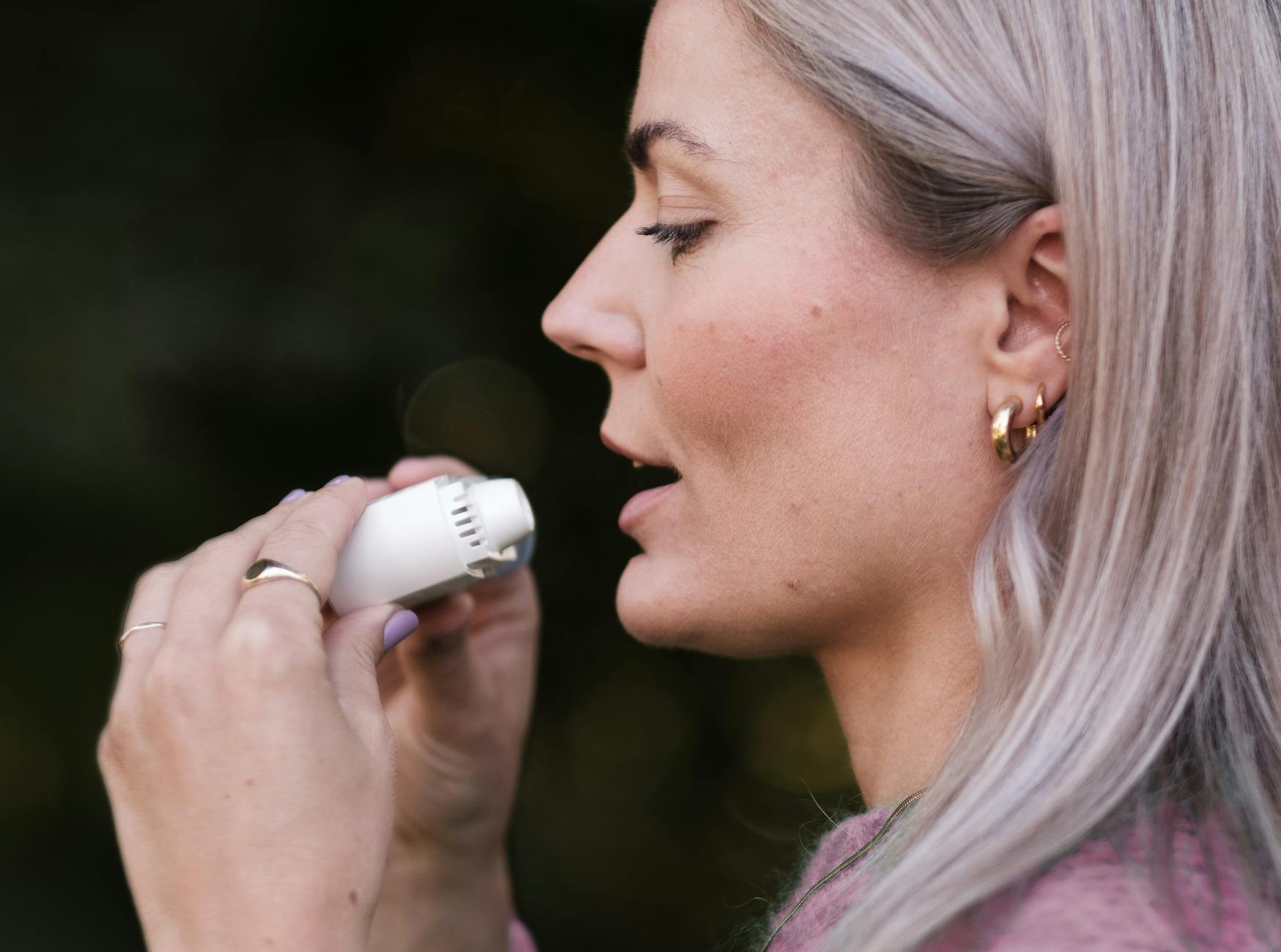
Understanding the Neurological Impact of These Lifestyle Changes
deep breathing works by enhancing vagal tone—strengthening the vagus nerve’s ability to communicate between your brain and body. This improves your brain’s waste-clearance system, known as the glymphatic system, which removes beta-amyloid and tau proteins that accumulate in Alzheimer’s disease. When you breathe slowly and deeply, cerebrospinal fluid flows more effectively around your brain cells, helping eliminate these toxic proteins. One limitation to understand: breathing exercises alone won’t reverse damage from years of heavy alcohol use, but they can slow further decline and build cognitive reserve.
Alcohol’s impact is particularly damaging in the prefrontal cortex and hippocampus—areas essential for planning, decision-making, and memory. Heavy drinking creates a “double hit” by both killing neurons directly and triggering neuroinflammation that damages surrounding healthy cells. Important warning: some people attempt to quit alcohol suddenly after years of heavy use, which can actually be dangerous without medical support. Alcohol withdrawal syndrome can cause seizures and other serious complications, so anyone reducing significant alcohol consumption should consult their doctor.
Real-World Changes in Brain Function and Cognitive Performance
Consider the case of Margaret, a 72-year-old who was noticing memory lapses and worried about her family history of Alzheimer’s. Her doctor attributed her cognitive decline to her habit of having two to three drinks most evenings and her high-stress life. When Margaret started practicing 10 minutes of box breathing (inhale for 4 counts, hold for 4, exhale for 4, hold for 4) each morning while gradually reducing her alcohol consumption over three months, she reported improved sleep, better focus during the day, and fewer memory slips within six weeks. Brain imaging wouldn’t reveal dramatic changes in such a short timeframe, but cognitive testing showed measurable improvement in processing speed and attention.
The combined effect creates synergy because alcohol disrupts sleep, which impairs the glymphatic system’s function during deep sleep—the time when your brain does much of its cleaning. By reducing alcohol, Margaret slept better, which enhanced her brain’s natural waste-clearance processes. The deep breathing further supported this by reducing the inflammation that alcohol had been triggering. This demonstrates how these two practices reinforce each other: better sleep from reduced alcohol consumption makes stress management easier, and lower stress reduces the urge to drink.

Practical Implementation of a Protective Routine
Starting a deep breathing practice requires no equipment or cost. Begin with five minutes daily, ideally in the morning to set your nervous system for the day. Diaphragmatic breathing—breathing deeply into your belly rather than your chest—is most effective. You can use apps, guided videos, or simple counting techniques. The key is consistency; sporadic deep breathing provides minimal benefit, but daily practice rewires your nervous system over weeks.
For alcohol reduction, approach it methodically and honestly. If you currently drink daily, don’t aim to eliminate alcohol entirely unless you’re dealing with addiction—moderate reduction may be more sustainable. Track your actual consumption for a week first; many people underestimate their intake. A comparison: reducing from daily drinking to three drinks per week provides substantial brain protection, while attempting complete abstinence may lead to relapse if you’re not ready. For those with alcohol dependence, professional support through addiction specialists or support groups is essential rather than attempting solo reduction.
Challenges, Limitations, and Important Caveats
Many people find that stress and anxiety make breathing exercises feel awkward initially. You might feel lightheaded, anxious, or find the practice frustrating. This is normal—your nervous system is learning new patterns. A limitation worth noting: if you have panic disorder or certain breathing conditions like asthma, work with a healthcare provider to adapt breathing techniques safely. Some medications also affect how effectively breathing exercises work for nervous system regulation.
Alcohol reduction presents different challenges. Social situations, habit, and genuine dependence can make this difficult. Warning: if you’re a heavy drinker and stop suddenly, you risk dangerous withdrawal symptoms. Additionally, reducing alcohol consumption alone won’t prevent dementia if other risk factors—like untreated high blood pressure, diabetes, or cognitive inactivity—remain unaddressed. These lifestyle changes are most effective as part of a comprehensive approach that includes physical activity, cognitive engagement, quality sleep, and a Mediterranean-style diet.

Combining Both Practices for Maximum Brain Protection
The synergistic effect of pairing these practices is where real power emerges. Your daily routine might look like this: morning deep breathing practice (10 minutes), physical activity like walking, limiting alcohol to weekends only, and evening relaxation breathing before bed. This combination addresses multiple pathways to dementia—inflammation, stress, poor sleep, and direct neurotoxicity. Research on cognitive reserve shows that people who engage in multiple protective behaviors simultaneously build stronger resilience against age-related cognitive decline than those relying on any single intervention.
A practical example: James, age 68, combined a morning meditation practice with breathing exercises while gradually reducing his three-drinks-per-week habit to one. He also started swimming twice weekly and joined a book club. Within four months, his doctor noted improved blood pressure, his sleep quality increased, and he reported better memory. The combination of reduced alcohol, daily breathing practice, cardiovascular exercise, and cognitive engagement created cumulative protection that neither practice alone would have achieved. His brain had multiple reinforcing protections working simultaneously.
Research Direction and Future Outlook
Emerging research is exploring whether specific breathing patterns—like alternate-nostril breathing or box breathing—might offer particular advantages for dementia prevention. Studies using brain imaging are revealing exactly how different breathing rates affect glymphatic function, which could lead to more targeted recommendations. Additionally, research is examining whether the timing of breathing practice (morning versus evening, before or after meals) affects outcomes, and whether combining breathing techniques with biofeedback enhances results.
The future of dementia prevention likely rests not in single “magic bullet” interventions but in personalized combinations of evidence-based practices tailored to individual risk profiles. If you have genetic predisposition to Alzheimer’s or family history of dementia, these practices may be even more protective. The window for intervention is also widening—research suggests that starting protective habits in your 50s offers better outcomes than beginning in your 70s, though it’s never too late to benefit from improved lifestyle choices.
Conclusion
Combining deep breathing exercises with alcohol limitation represents a scientifically-grounded approach to dementia prevention that costs nothing and requires only consistent daily effort. The evidence that these practices reduce cognitive decline and lower dementia risk by 30-40% when combined with other healthy habits should motivate anyone concerned about brain health to begin implementing them now. The earlier you start—ideally while still relatively young—the greater the accumulated protection, but meaningful improvements in cognition and brain health can appear within months of establishing these practices.
Start small and sustainable: commit to ten minutes of daily deep breathing and an honest assessment of your alcohol consumption, aiming for gradual reduction. These aren’t restrictive deprivations but investments in your cognitive future. If you have concerns about alcohol dependence or medical conditions affecting breathing, consult your healthcare provider before making changes. The combination of clearer thinking from these practices often provides its own motivation to continue—you’ll notice better focus, improved sleep, and enhanced mood within weeks, which reinforces the habits that protect your brain.
You Might Also Like
- Combining learning a new language and treating diabetes Cuts Dementia Risk Dramatically
- Combining yoga and swimming Cuts Dementia Risk Dramatically
- Combining volunteering and yoga Cuts Dementia Risk Dramatically
For more, see CDC — Alzheimer’s and Dementia.